
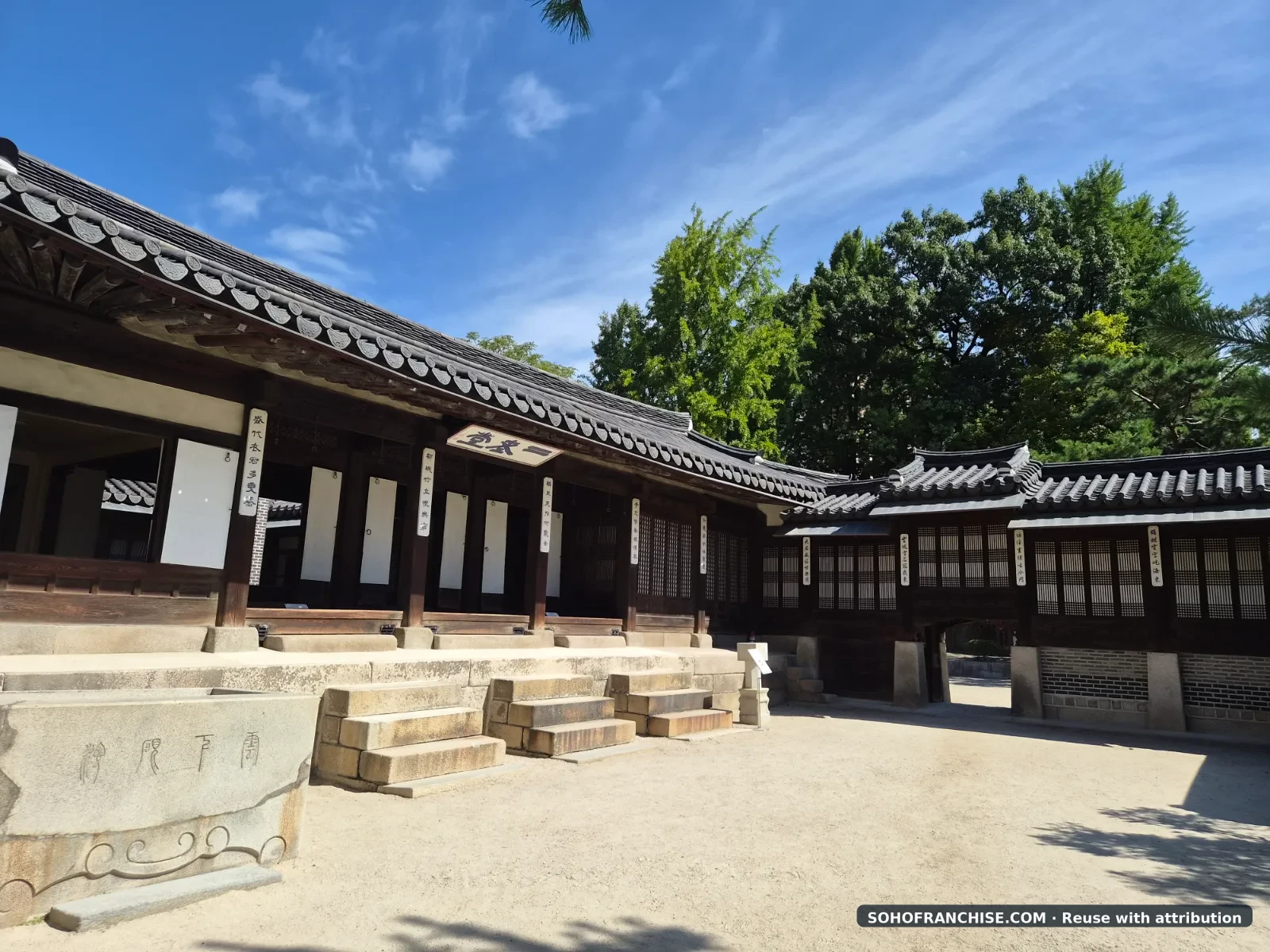
A Quiet Royal Residence in the Heart of Seoul
Seoul is famous for its grand royal palaces, including Gyeongbokgung and Changdeokgung. Yet just a short distance from the busy streets of Jongno 3-ga stands a smaller and more intimate historic landmark: Unhyeongung Palace.
Located at 464 Samil-daero in Jongno-gu, Unhyeongung was once the private residence of Heungseon Daewongun, the influential father of King Gojong, the 26th monarch of the Joseon dynasty.
Unlike Seoul's larger royal palaces, Unhyeongung offers visitors a closer look at the daily life, architecture and political environment of the royal family during the final decades of the Joseon dynasty.
Today, its spacious courtyards, traditional tiled roofs and wooden corridors provide a peaceful contrast to the busy commercial neighborhoods surrounding it.
From Jongno 3-ga and Nagwon Arcade to a Royal Residence
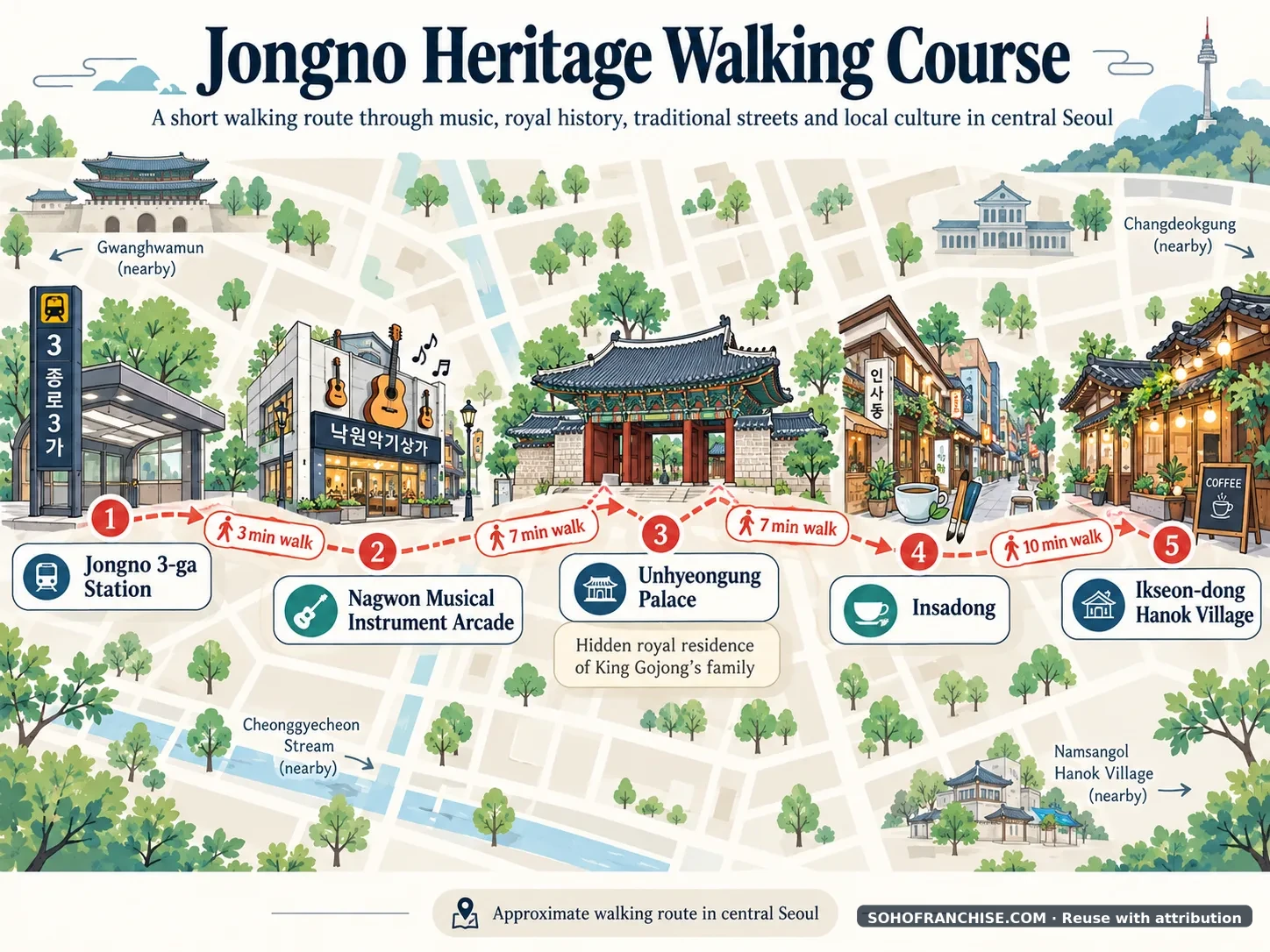
One of Unhyeongung's greatest attractions is its location.
The palace is within walking distance of Jongno 3-ga, a historic downtown district that Time Out named the world's coolest neighborhood for 2026.
The surrounding area brings together several distinctive sides of Seoul.
Nagwon Musical Instrument Arcade, one of the city's best-known specialist markets for musical instruments, lies to the southwest. Its shops are filled with guitars, keyboards, traditional instruments and equipment used by generations of Korean musicians.
Nearby, Ikseon-dong is known for its narrow hanok streets, independent cafés, restaurants and small shops. Insadong, meanwhile, offers traditional crafts, galleries, souvenirs and Korean tea houses.
From Nagwon Arcade, visitors can reach Unhyeongung in approximately 5–10 minutes on foot, depending on their starting point.
The walk creates an unusual transition: from contemporary music, food and shopping into a residence connected with some of the most significant political events in 19th-century Korea.
The Home of King Gojong Before He Became King
Unhyeongung occupies an important place in Korean history.
Before ascending the throne in 1863, the young King Gojong lived here with his family.
His father, Heungseon Daewongun (1820–1898), became one of the most powerful political figures of the late Joseon dynasty. Following Gojong's accession, Daewongun exercised authority as regent while his son was still young.
Unhyeongung consequently became much more than a family residence.
It was a center of political influence, where important decisions and discussions took place during a period when Korea faced internal challenges and growing pressure from foreign powers.
Heungseon Daewongun pursued administrative reforms, strengthened central royal authority and became closely associated with Korea's resistance to foreign intervention during the 1860s.
The history of Unhyeongung therefore reflects a crucial period of transition, when the centuries-old Joseon political order was increasingly confronted by a changing international environment.
A Royal Wedding That Became Part of Korean History
One of the most significant events associated with Unhyeongung was the 1866 wedding of King Gojong and Queen Min, who later became known as Empress Myeongseong.
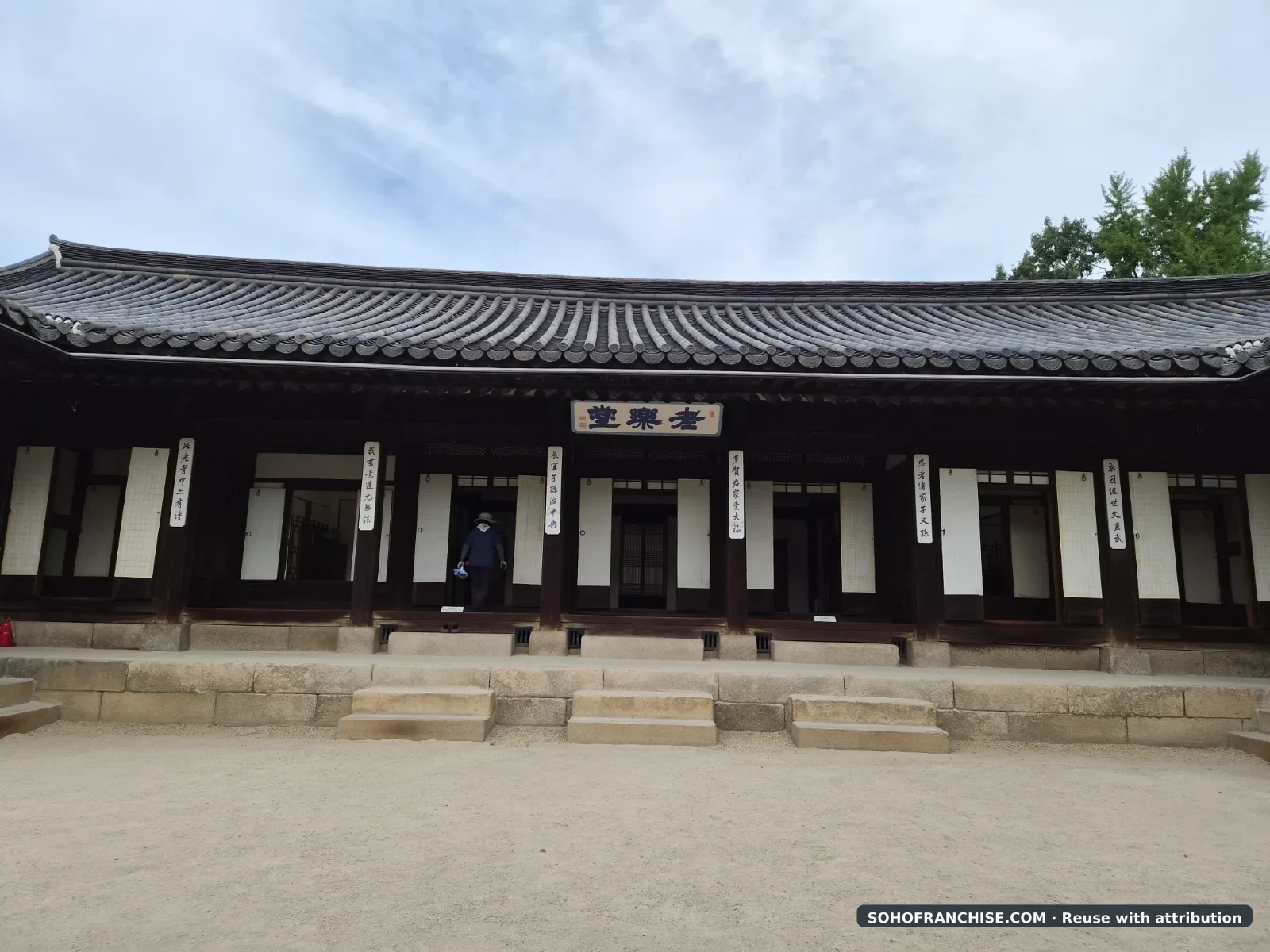
The royal wedding ceremony took place at Norakdang, one of the principal buildings within the residence.
The marriage became historically important as Queen Min subsequently emerged as a major political figure during the late Joseon period.
Today, Unhyeongung commemorates this royal heritage through traditional cultural programs and occasional reenactments of the wedding ceremony.
For visitors, the story adds another dimension to the site. What appears to be a quiet traditional residence was once closely connected to the personal relationships and political struggles of Korea's royal family.
Discovering Unhyeongung's Traditional Architecture
The surviving complex contains several notable buildings that illustrate the architectural traditions and social organization of a high-ranking household during the Joseon dynasty.
Noandang — The Residence of Heungseon Daewongun
Noandang served as the main quarters of Heungseon Daewongun and a place where he discussed political affairs.
Built in 1864, the structure demonstrates the elegant wooden architecture of the period, with carefully proportioned pillars, tiled roofing and an open courtyard.
Norakdang — The Heart of the Residence
Norakdang was one of the most important buildings in the complex.
Used for family gatherings and major ceremonies, it was also the setting for the royal wedding of King Gojong and Queen Min in 1866.
Its long façade, elevated stone foundation and traditional wooden structure give visitors a sense of the residence's former importance.
Irodang — The Inner Residential Quarters
Completed in 1869, Irodang provided additional residential space for the household.
Its enclosed courtyard arrangement reflects the privacy and spatial organization characteristic of elite Joseon-era residences.
Together, these buildings offer an intimate architectural experience that differs from the monumental scale of Seoul's major royal palaces.
Why Visit Unhyeongung Today?
Unhyeongung is particularly appealing to travelers who enjoy exploring Seoul on foot.
It is relatively compact, easy to reach and generally quieter than the city's most famous palace attractions.
Visitors can admire the wooden buildings, photograph the traditional rooftops, explore the courtyards and learn about the historic figures who once lived here.
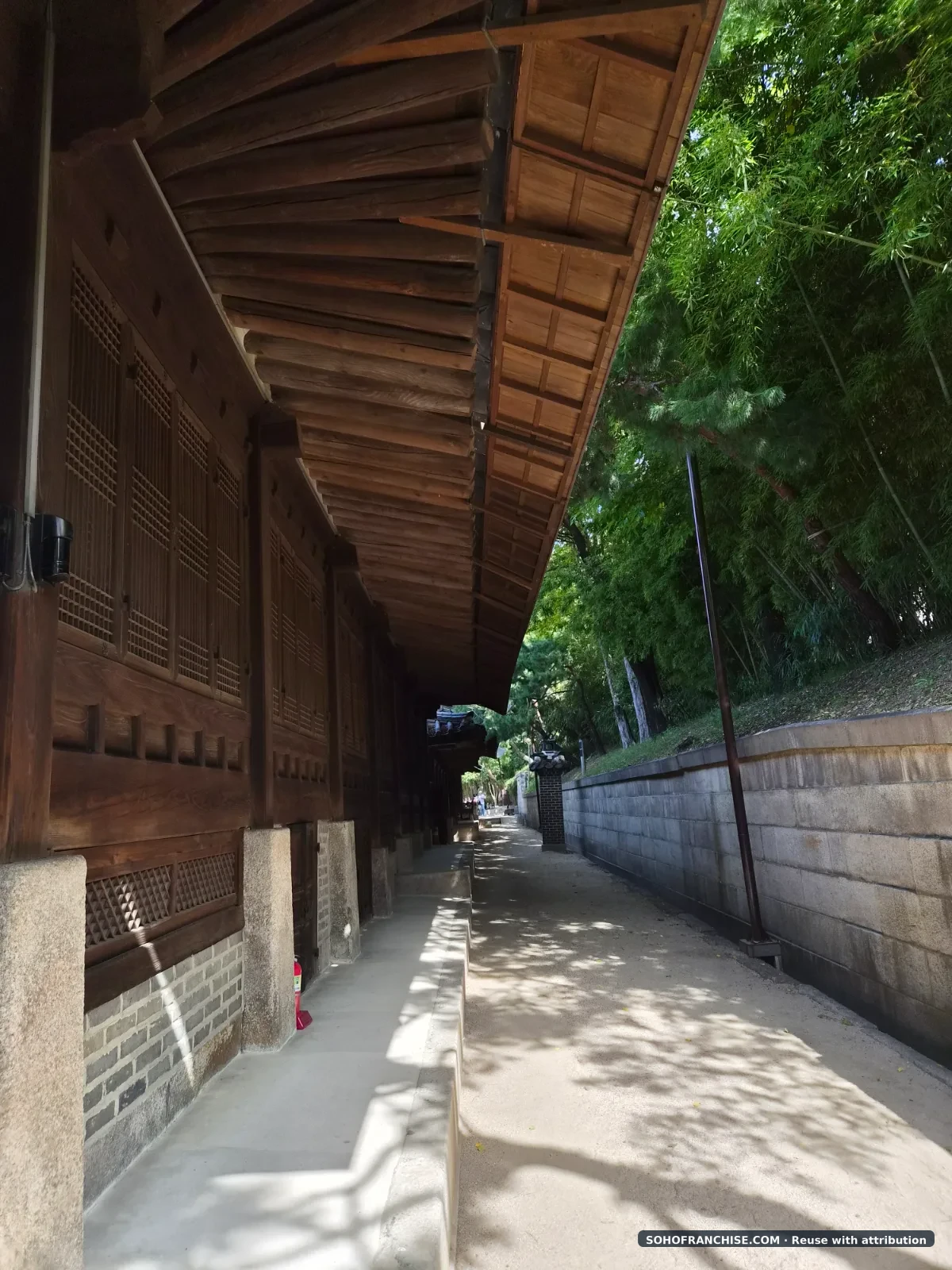
The long wooden corridors and roof eaves are particularly beautiful in natural sunlight, while the surrounding trees create a calm atmosphere throughout the changing seasons.
The residence also hosts cultural exhibitions and traditional activities, although schedules vary.
Most importantly, Unhyeongung offers something increasingly valuable in a busy city: a moment of quiet reflection without leaving central Seoul.
Suggested Walking Route: History, Music and Hanok Streets
For international visitors staying in central Seoul, Unhyeongung can easily become part of a half-day walking experience.
Start at Jongno 3-ga Station and explore Nagwon Musical Instrument Arcade, where Korean musical culture has maintained a distinctive presence for decades.
Continue north toward Unhyeongung to discover its royal architecture and history.
After visiting the residence, walk toward Insadong for traditional Korean tea, handicrafts and galleries.
Finish the afternoon in nearby Ikseon-dong, where historic hanok buildings have been transformed into restaurants, cafés and small independent businesses.
This combination of royal heritage, music, shopping and contemporary dining illustrates what makes Jongno such an interesting district.
It is a neighborhood where different generations of Seoul continue to exist side by side.
Visitor Information
Location: Unhyeongung Palace, 464 Samil-daero, Jongno-gu, Seoul, South Korea
Nearest Subway: Anguk Station (Line 3), Exit 4 — approximately 2–3 minutes on foot.
From Jongno 3-ga: Approximately 8 minutes on foot from Line 5, Exit 5, or around 5–10 minutes from Nagwon Musical Instrument Arcade.
Admission: Free.
Regular Opening Hours: 9:00 AM–7:00 PM, last admission 6:30 PM. Closed Mondays, with holiday exceptions. Special evening opening hours may apply during selected periods.
Recommended Visit Duration: Approximately 30–60 minutes.
Nearby Attractions: Nagwon Musical Instrument Arcade, Insadong, Ikseon-dong Hanok Village and Changdeokgung Palace.
Check the official visitor information for the latest hours and cultural program schedules.
Discover the Real Korea, One Neighborhood at a Time
Unhyeongung reminds us that some of Seoul's most meaningful experiences are not found in the largest or most crowded attractions.
Sometimes, a short walk from a busy shopping street leads to a quiet courtyard where an entirely different chapter of Korean history begins.
For travelers discovering Jongno 3-ga, Unhyeongung is more than a historic building.
It is a connection between the Seoul of today and the Korea of nearly two centuries ago.
Explore more of Korea's hidden heritage, food, shopping and local experiences at SOHOFRANCHISE.com.
Photography: SOHOFRANCHISE Editorial — Original photographs of Unhyeongung Palace, Seoul, October 2026.
📍 Plan Your Visit — Google Maps
Discover Unhyeongung Palace in the heart of historic Seoul, just a short walk from Jongno 3-ga, Nagwon Musical Instrument Arcade and Insadong.
Unhyeongung Palace
464 Samil-daero, Jongno-gu, Seoul, South Korea
📍 View on Google Maps:
https://www.google.com/maps/search/?api=1&query=Unhyeongung+Palace+Seoul
🚶 Walking Directions from Nagwon Arcade:
https://www.google.com/maps/dir/?api=1&origin=Nagwon+Musical+Instrument+Arcade+Seoul&destination=Unhyeongung+Palace+Seoul&travelmode=walking
🚇 Nearest Subway: Anguk Station (Line 3), Exit 4
Combine your visit with a stroll through Insadong and Ikseon-dong to experience Seoul's royal heritage, traditional streets, local cafés and restaurants.