SOHOFRANCHISEDISCOVER THE REAL KOREA
EXPLORE KOREA

Eat & Drink

Restaurants, cafés, street food and Korean dining culture.

Beyond K-Food: How Tourism Is Reshaping South Korea’s Wine Culture

Beyond K-Food: How Tourism Is Reshaping South Korea’s Wine Culture

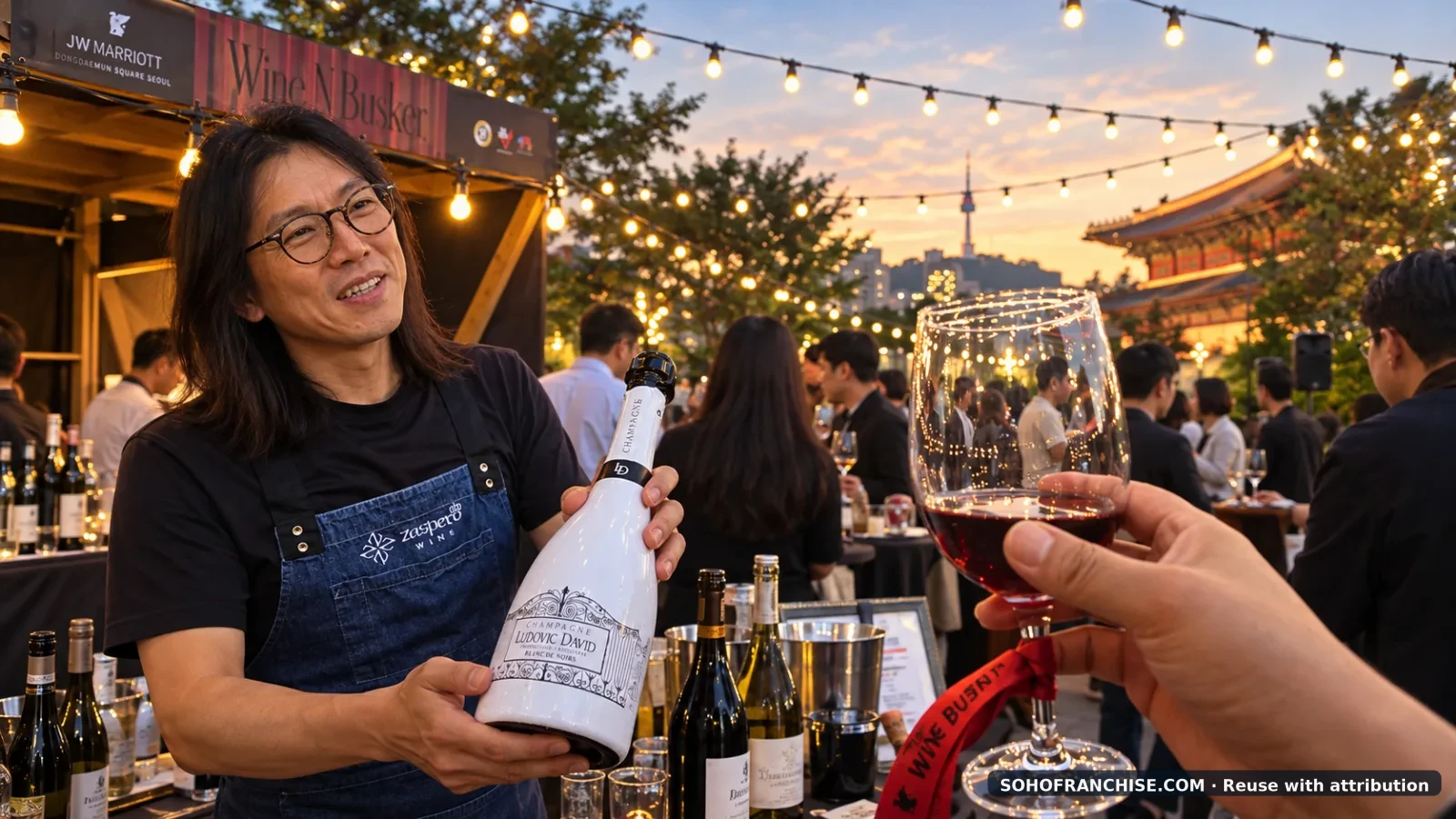
As international tourism to South Korea reaches new heights, wine is becoming part of the country's evolving dining and hospitality experience. Donghwan Kim explores Korea's changing wine market, consumer preferences, and opportunities for wine tourism. By Donghwan Kim | Wine Expert, Zaspero Wine https://zasperowine.com/
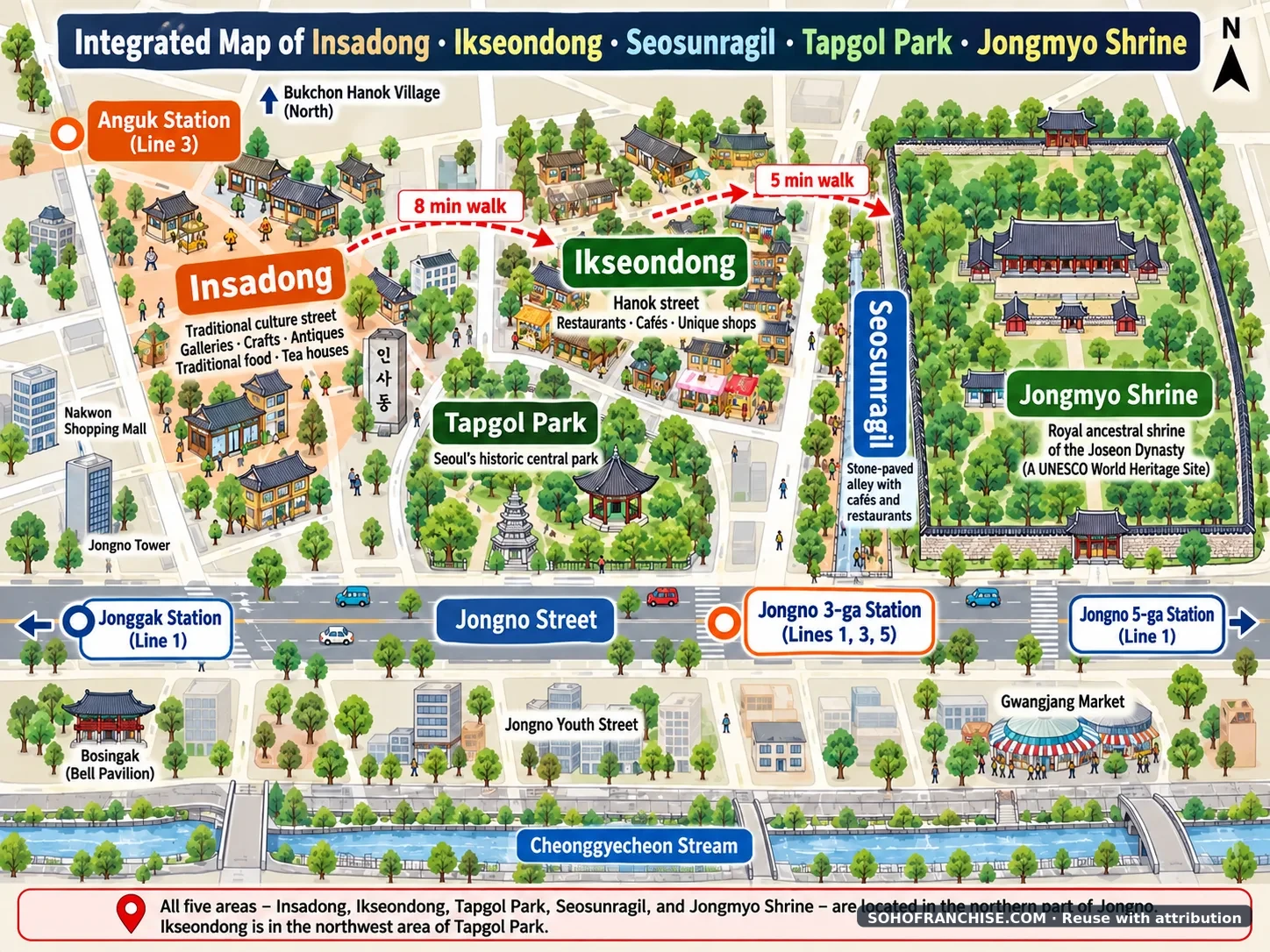
Seoul’s Jongno 3-ga Named World’s Coolest Neighbourhood for 2026 by Time Out

Seoul’s Jongno 3-ga Named World’s Coolest Neighbourhood for 2026 by Time Out

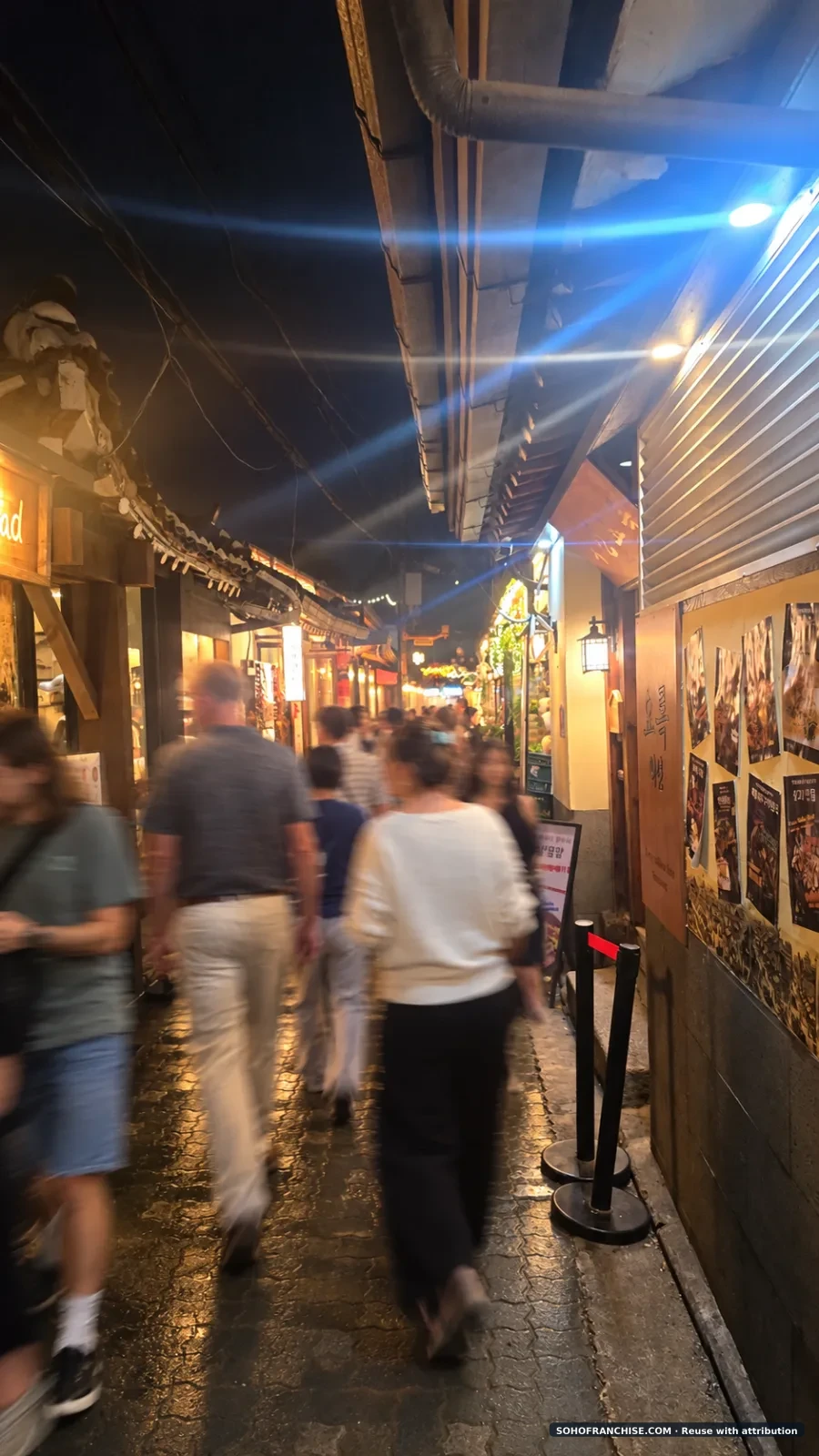
Time Out has named Seoul’s Jongno 3-ga the world’s coolest neighbourhood for 2026, highlighting its lively outdoor dining culture, traditional hanok streets in Ikseon-dong, and thriving independent food and hospitality businesses.

From Itaewon to Singapore: How the Korean Wave Is Transforming Food and Culture

From Itaewon to Singapore: How the Korean Wave Is Transforming Food and Culture

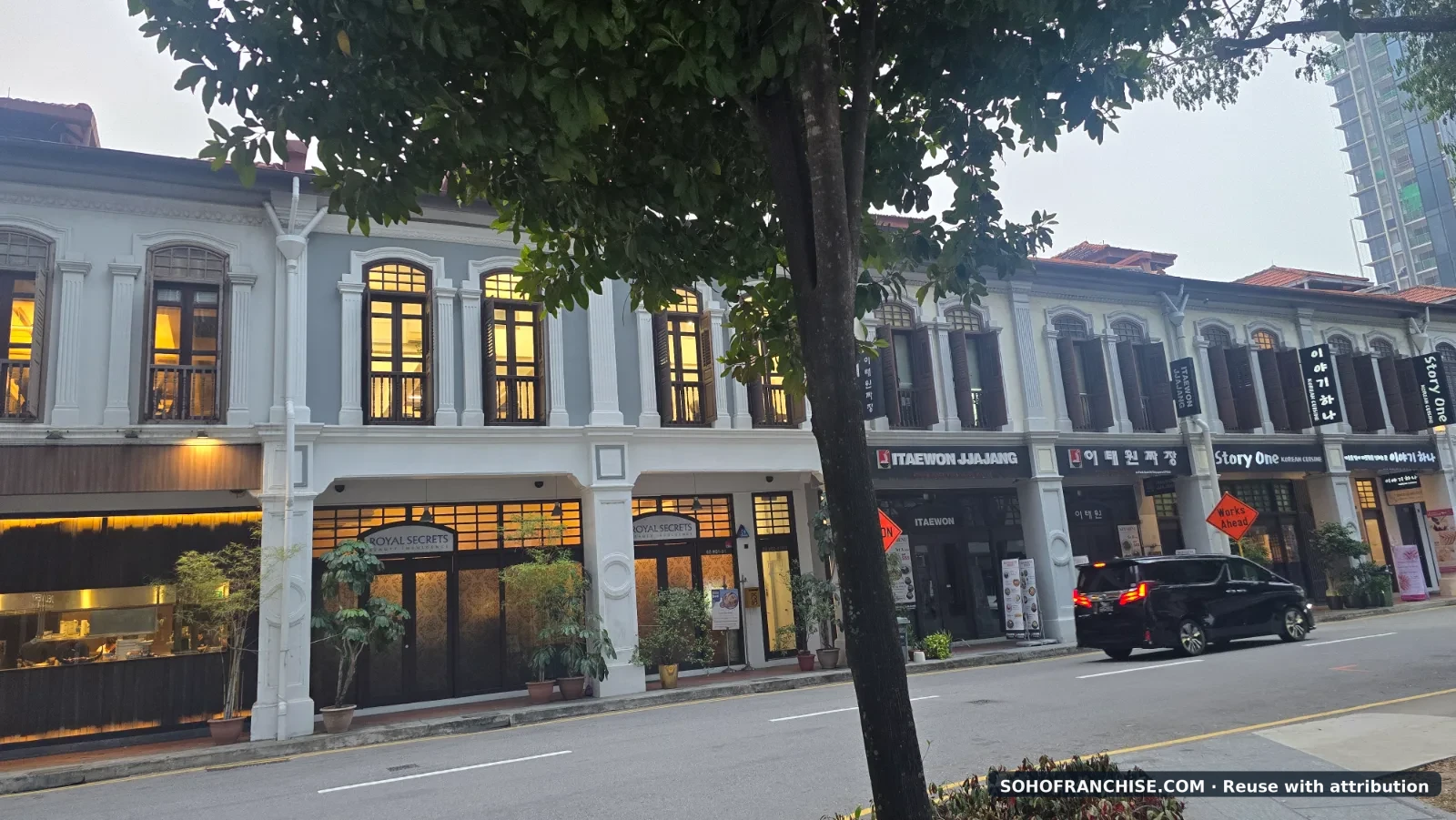
Singapore was among the early Asian markets to embrace Korean dramas and pop culture. Today, restaurants such as Itaewon Jjajang in Tanjong Pagar show how the Korean Wave has evolved into everyday dining, cultural exchange and local business opportunities.

Jongno 3-ga: Travel Guide & Franchise Lessons

Jongno 3-ga: Travel Guide & Franchise Lessons

Explore Seoul's world-ranked Jongno 3-ga, its outdoor dining culture, historic attractions, and lessons for successful tourism franchises.

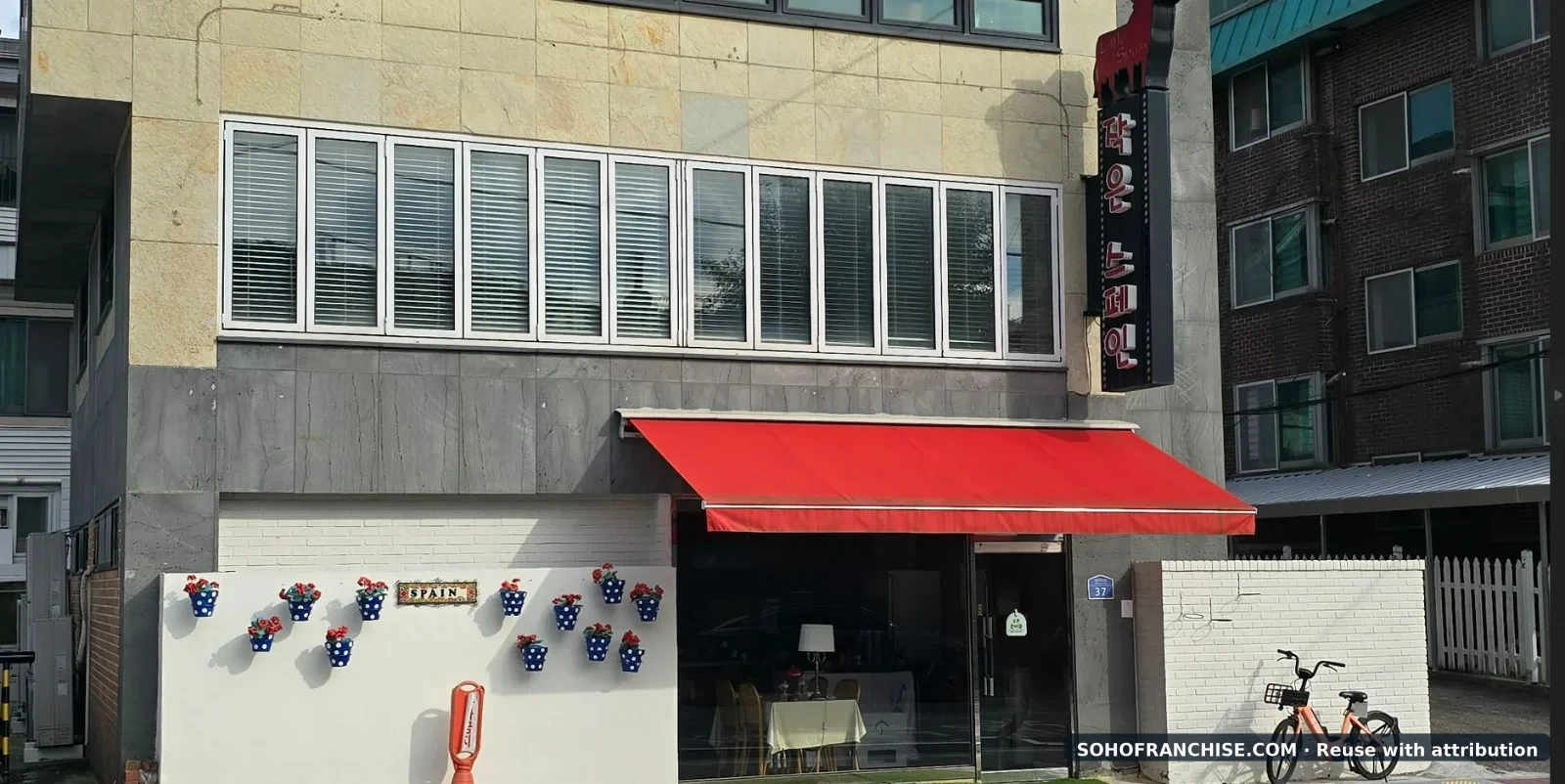
From Paella to Cava: Can Spanish Restaurants Become a Scalable Dining Business in Korea?

From Paella to Cava: Can Spanish Restaurants Become a Scalable Dining Business in Korea?

Spanish cuisine has moved from a niche foreign-food concept to an established part of Seoul’s dining scene, while Busan offers a smaller but tourism-driven opportunity around Haeundae and other waterfront districts. SOHOFRANCHISE looks at Spain Club’s evolution since 2009, the dishes Korean customers repeatedly order, and why Cava and Rioja could become important parts of the business model.

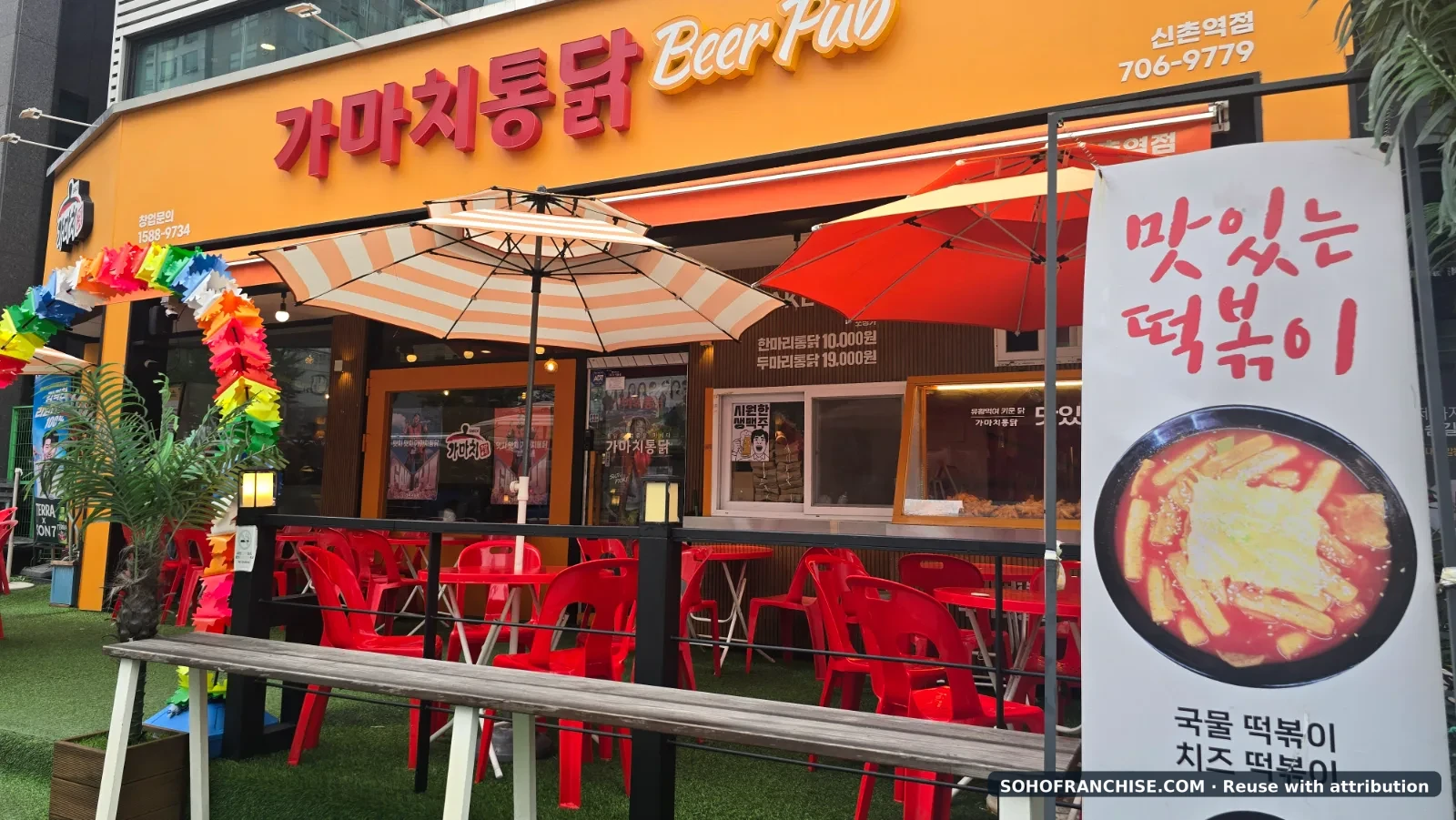
Is Korea’s Chicken Franchise Still a Good Retirement Business for Baby Boomers?

Is Korea’s Chicken Franchise Still a Good Retirement Business for Baby Boomers?

Chicken has long been one of Korea’s most familiar post-retirement businesses. But with nearly 29,000 franchise outlets, rising operating costs and a 12% annual closure rate, opening a chicken restaurant can no longer be considered an easy or low-risk retirement strategy. SOHOFRANCHISE examines whether smaller, owner-operated neighborhood concepts could still work for Korea’s aging baby-boom generation.

Pizza Is Already Franchised. Can Authentic Italian Restaurants Be Next in Korea?

Pizza Is Already Franchised. Can Authentic Italian Restaurants Be Next in Korea?

Korea has one of Asia’s most mature pizza franchise markets, with hundreds of Domino’s, Pizza Hut and Papa Johns outlets. Authentic Italian restaurants, however, remain far more fragmented and chef-dependent. With Korea attracting a record 18.9 million foreign visitors in 2025 and Eataly expanding to a fourth Korean location in Gangnam in August 2026, could premium Italian dining become Korea’s next scalable restaurant franchise category?

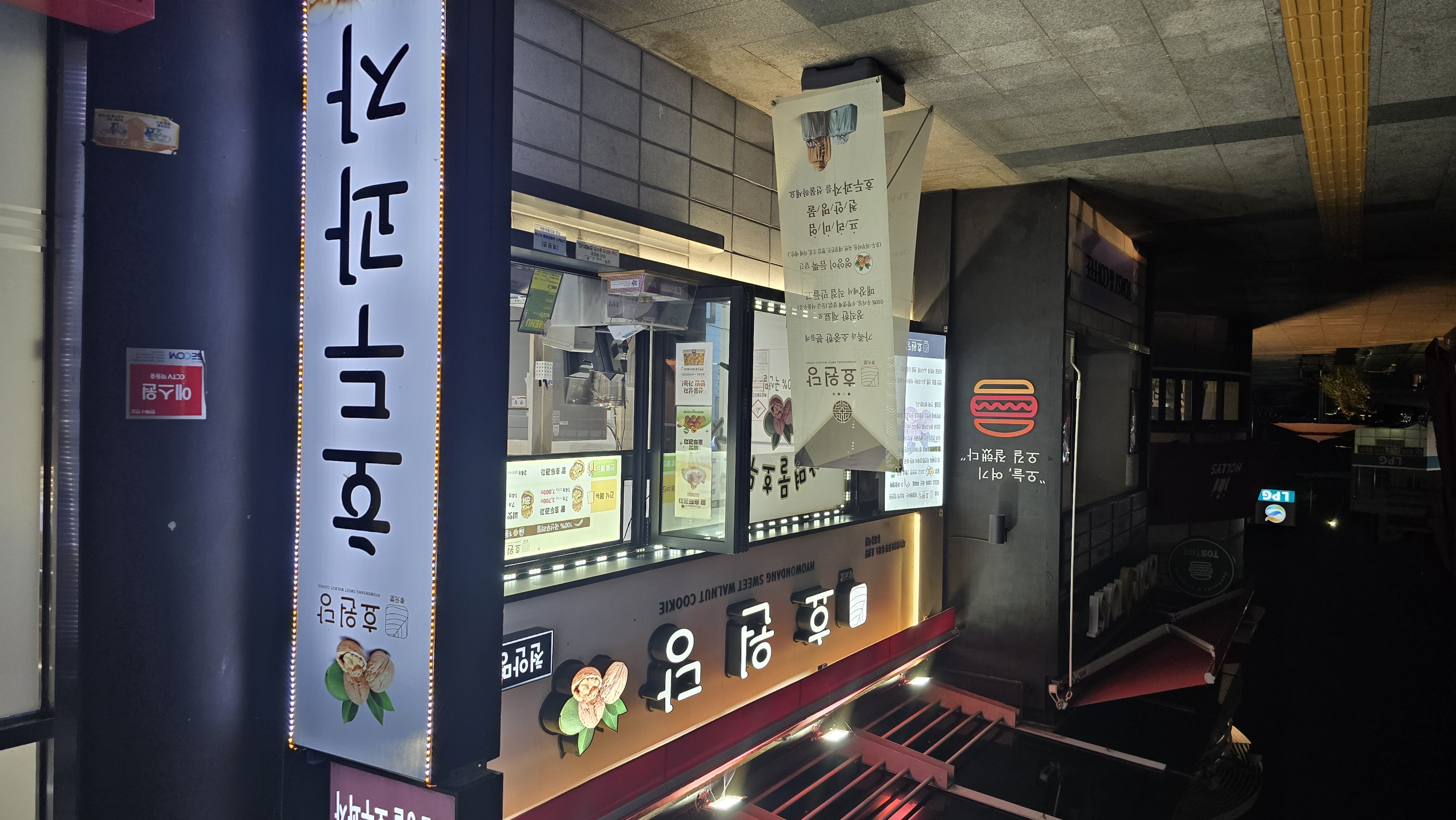
Hodu-gwaja: Korea’s Nationwide Roadside Walnut Pastry Network

Hodu-gwaja: Korea’s Nationwide Roadside Walnut Pastry Network

Born in Cheonan in the 1930s, hodu-gwaja grew from a regional walnut pastry into one of Korea’s most recognizable travel foods, supported by highway service areas, roadside stores and a distributed network of local manufacturers.

Korea’s Coffee Market Is Splitting in Two: Franchise Scale vs. Independent Café Identity

Korea’s Coffee Market Is Splitting in Two: Franchise Scale vs. Independent Café Identity

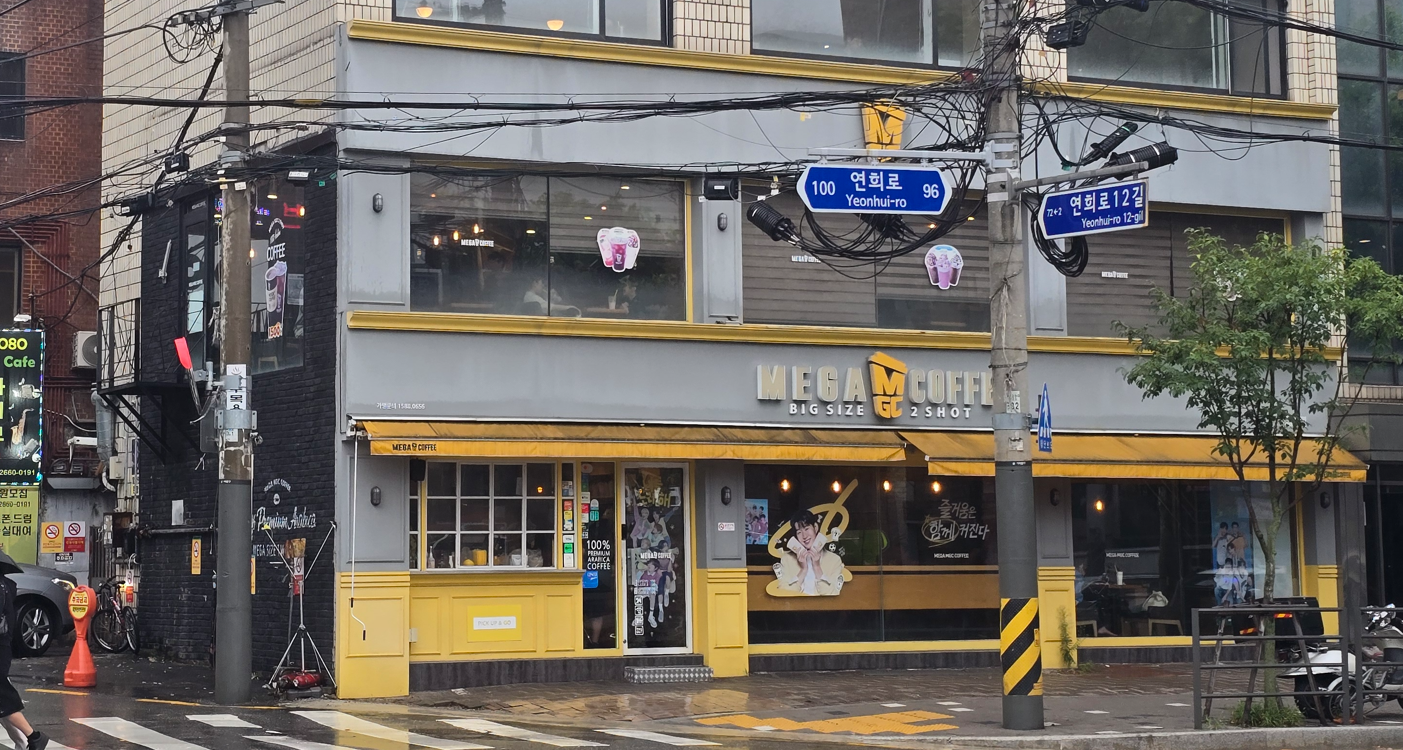
South Korea’s coffee market is entering a new phase. Low-price franchise brands such as MEGA MGC Coffee, Compose Coffee and Paik’s Coffee continue to expand through scale, convenience and aggressive pricing, while independent cafés increasingly compete through specialty coffee, design, neighborhood identity and destination appeal. As Korea’s café market approaches saturation, the next competition will be less about opening more stores and more about creating a clear reason for customers to choose one café over another.

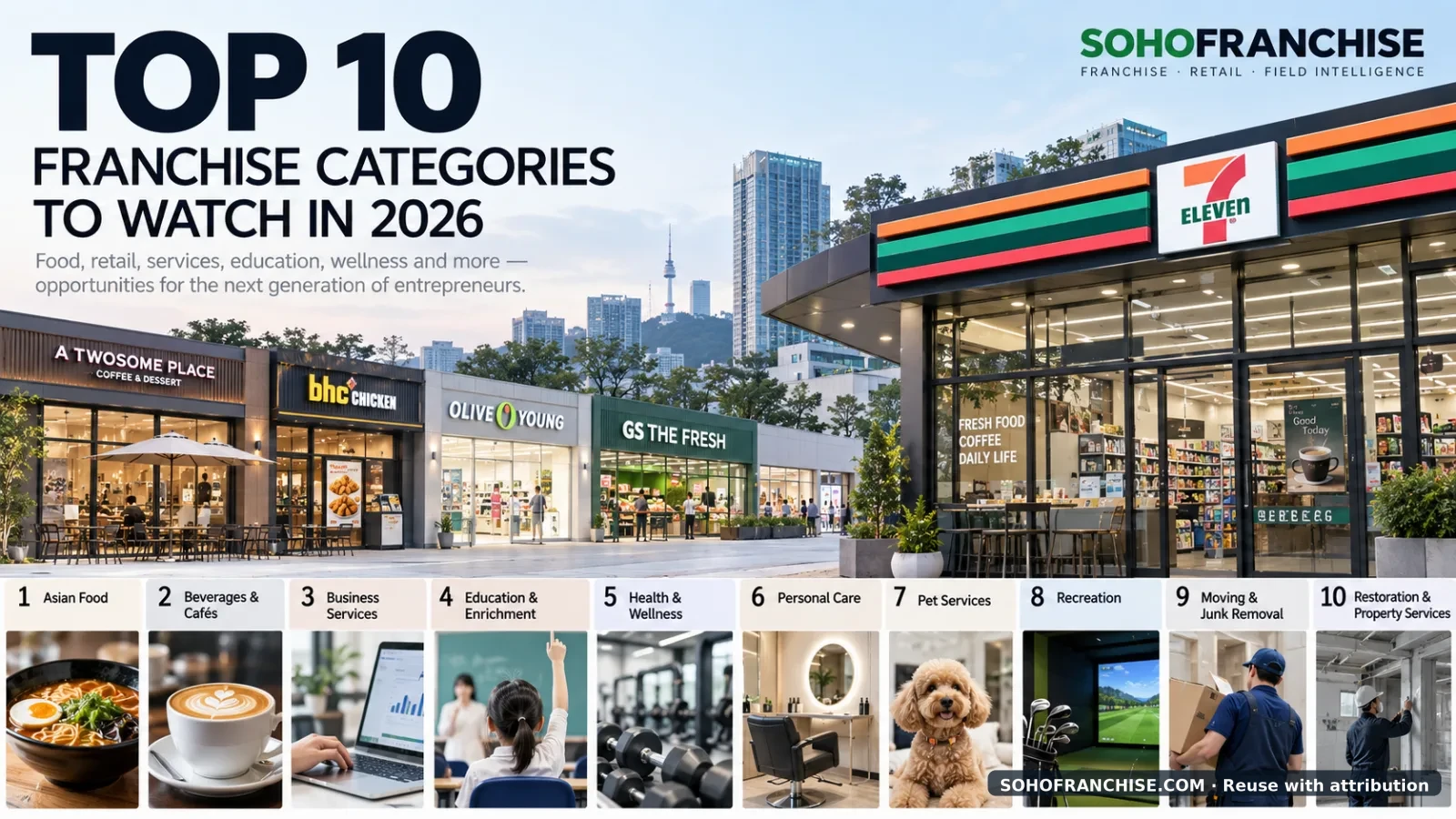
The 10 Franchise Categories to Watch in 2026

The 10 Franchise Categories to Watch in 2026

Food, business services, education, wellness and other categories are attracting attention in 2026 — but growth alone does not make a good franchise.