
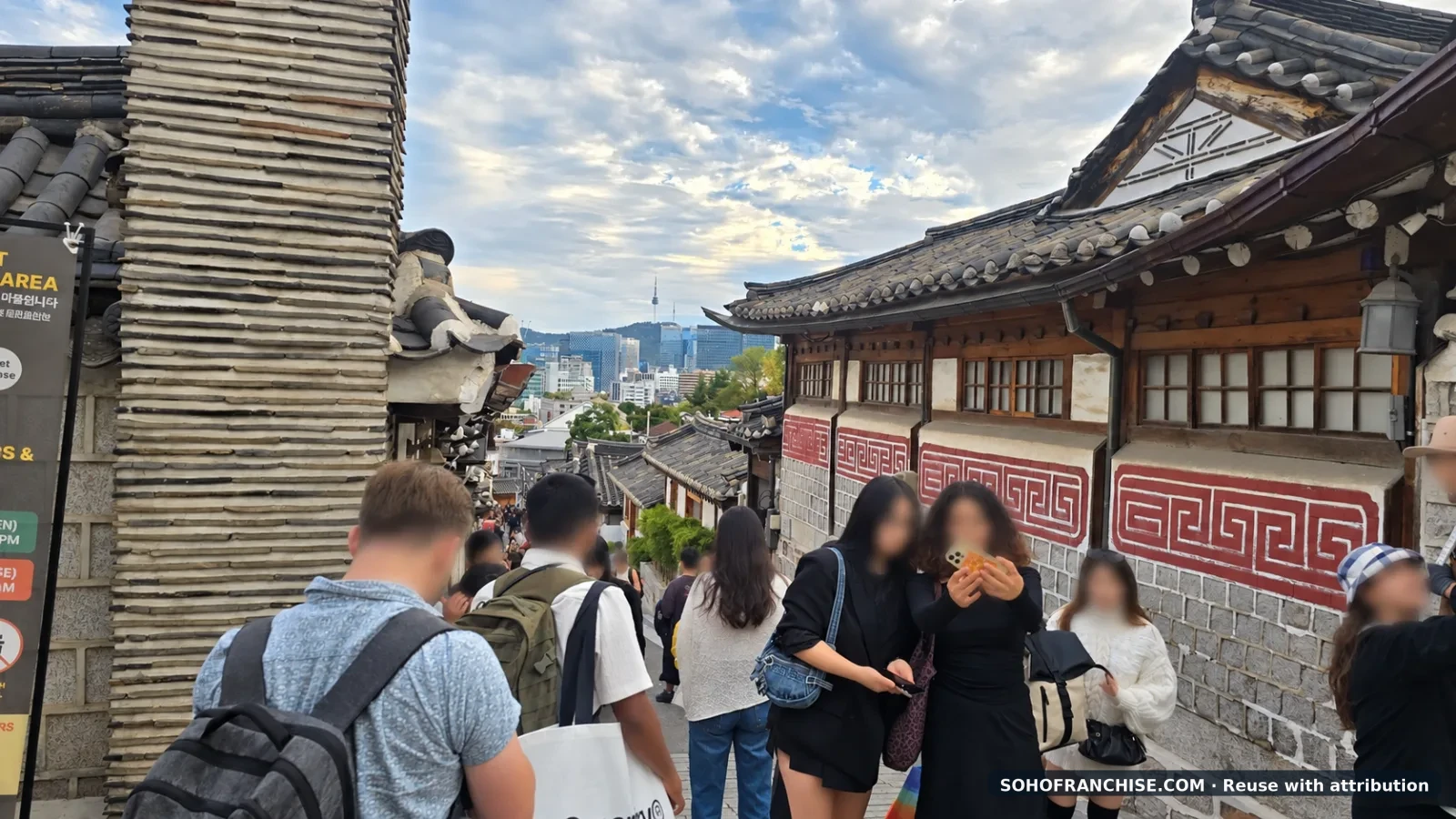
Three Neighbourhoods, One Unforgettable Seoul Experience
Seoul is a city where centuries-old traditions meet contemporary lifestyles, and nowhere is this contrast more visible than in the historic heart of Jongno.
From the lively streets of Jongno 3-ga to the fashionable cafés around Anguk Station and the artistic atmosphere of Samcheong-dong, visitors can experience three distinctive sides of Seoul within a relatively compact area.
This route offers more than famous tourist attractions. It introduces travellers to everyday Korean life, neighbourhood restaurants, traditional architecture, independent shops and streets that come alive after sunset.
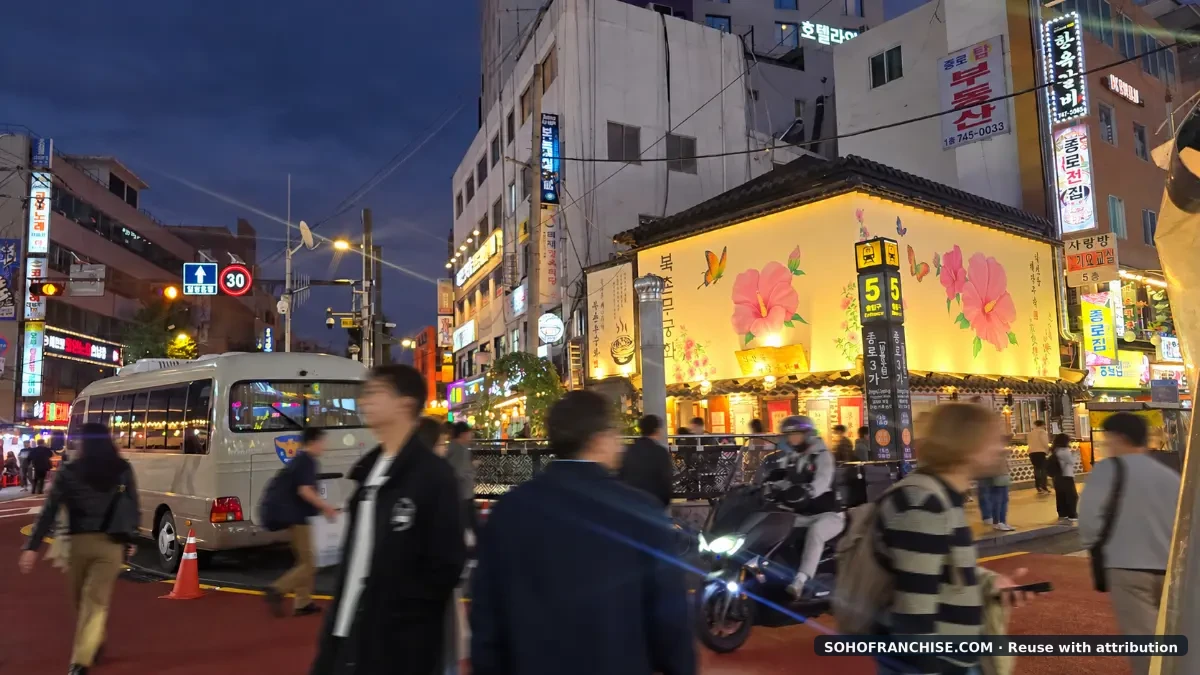
1. Jongno 3-ga: Where Old Seoul Comes Alive After Dark
Jongno 3-ga is one of Seoul's most distinctive urban neighbourhoods. Long associated with traditional restaurants, small businesses and local gathering places, the district has become an increasingly interesting destination for younger visitors and international travellers.
Unlike carefully designed shopping districts, Jongno 3-ga retains the character of an older commercial neighbourhood. Narrow streets are filled with barbecue restaurants, casual drinking establishments, small shops and buildings that have witnessed decades of change.
Explore the Streets Around Exits 4 and 5
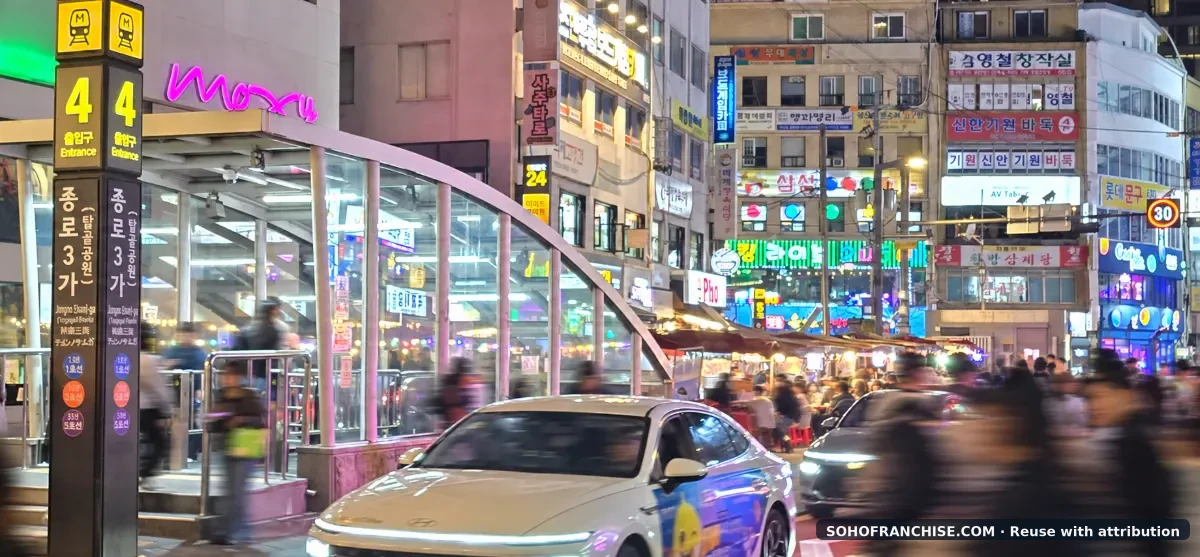
Visitors arriving at Jongno 3-ga Station can begin exploring around Exits 4 and 5, where restaurants, entertainment venues and brightly illuminated signs create a lively evening atmosphere.
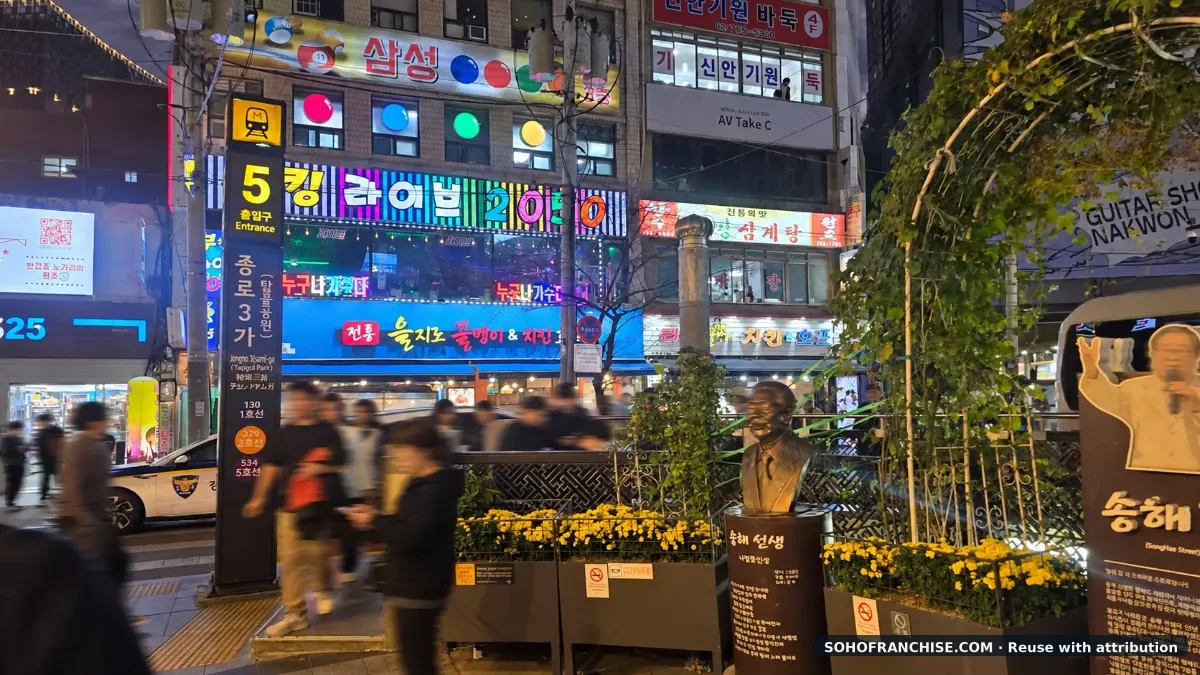
The area around Tapgol Park and Songhae Street offers a particularly interesting glimpse into Seoul's urban culture. Traditional businesses operate alongside newer establishments, creating a mixture of generations and lifestyles.
A Neighbourhood Built Around Food
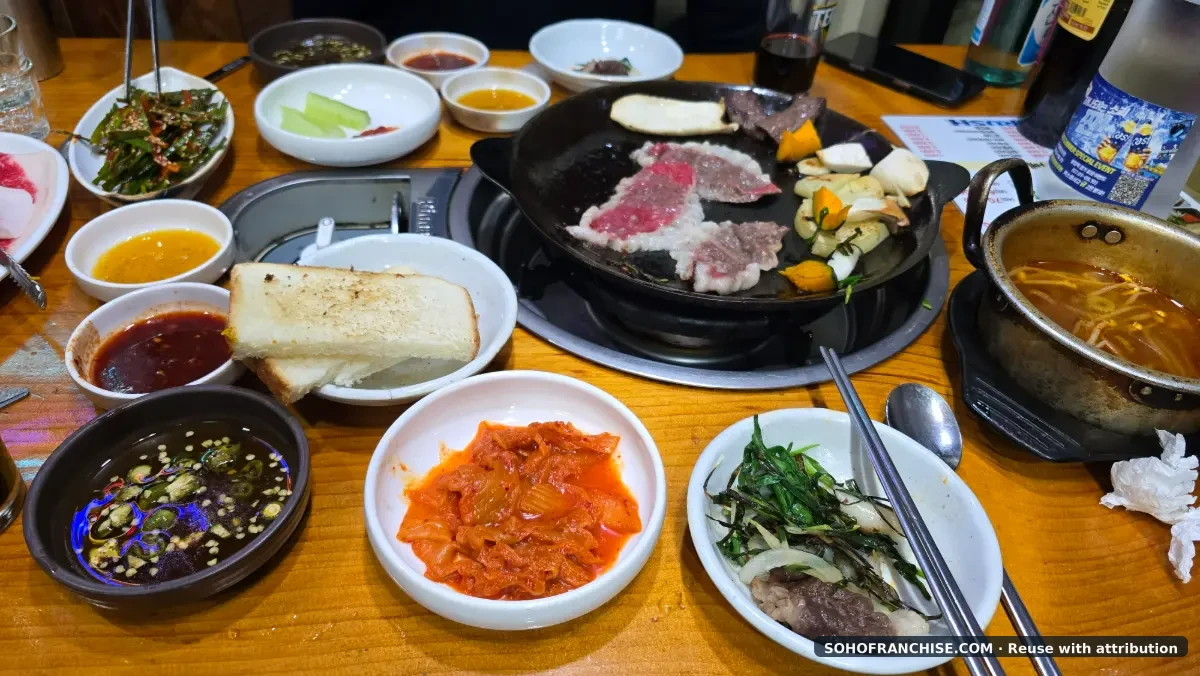
Food is one of the biggest reasons to visit Jongno 3-ga.
Traditional Korean barbecue restaurants serve grilled pork and beef alongside kimchi, vegetables, dipping sauces and a variety of side dishes known as banchan.
Many restaurants offer a relaxed and informal atmosphere, making the neighbourhood an appealing place to experience Korean dining culture beyond international restaurant chains.
Popular local dishes include samgyeopsal (grilled pork belly), Korean beef barbecue, kimchi stew and traditional pancakes.
2. Ikseon-dong: Traditional Hanok Meets Modern Seoul
Just a short walk from Jongno 3-ga Station, Ikseon-dong presents another side of the neighbourhood.
Its narrow pedestrian lanes are lined with traditional Korean hanok buildings, many of which have been transformed into cafés, restaurants, dessert shops and independent boutiques.
Rather than replacing the neighbourhood's historic architecture, many businesses have adapted existing buildings to accommodate contemporary lifestyles.
The result is a distinctive environment where visitors can enjoy coffee, desserts and shopping while surrounded by traditional Korean rooflines and intimate courtyards.
Ikseon-dong is especially attractive in the late afternoon, when visitors can explore the alleys before continuing towards Jongno's nightlife district.
3. Anguk Station: Seoul's Heritage Meets Global Café Culture
Anguk Station provides a gateway to some of Seoul's best-known cultural neighbourhoods, including Bukchon Hanok Village, Insadong and Samcheong-dong.
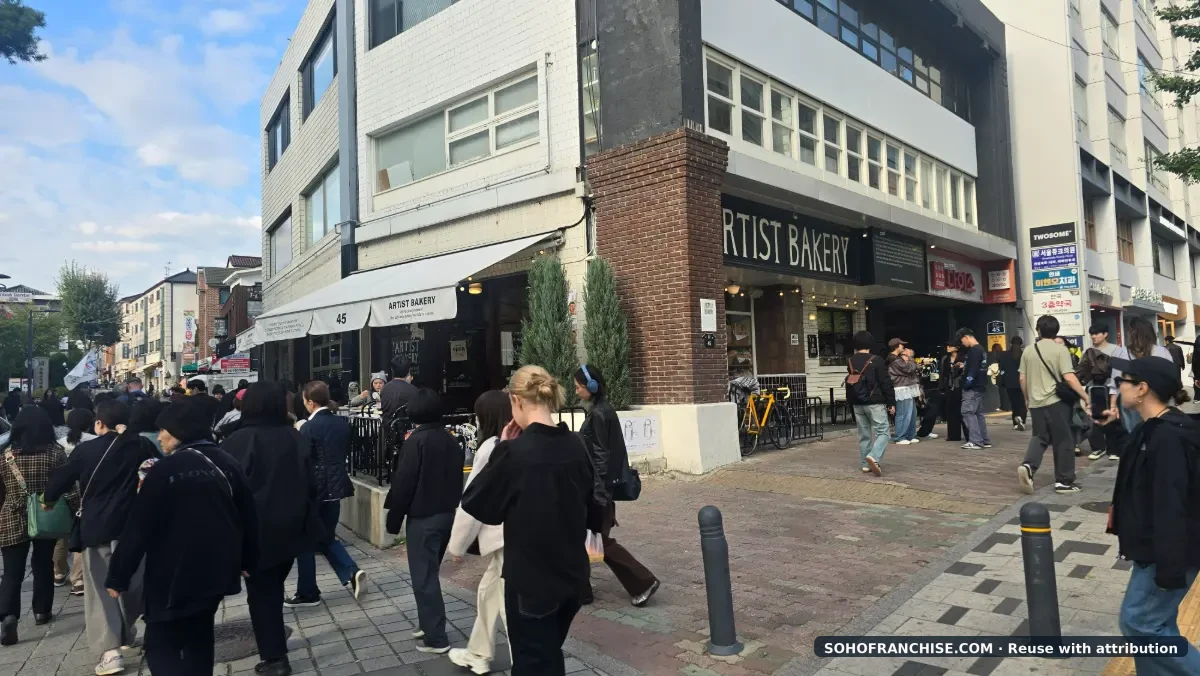
In recent years, the streets around Anguk have developed a reputation for stylish cafés, artisan bakeries and contemporary interpretations of traditional Korean architecture.
The area attracts both local residents and international visitors looking for experiences that combine cultural sightseeing with food, coffee and shopping.
From Traditional Architecture to Contemporary Cafés
One of the pleasures of exploring Anguk is discovering how older buildings have been adapted for modern commercial use.
Hanok-inspired cafés, small restaurants and specialty shops sit alongside established businesses and historic streets.
Some of the most interesting places are found away from the main roads, where narrow alleys reveal unexpected courtyards, carefully restored façades and small independent businesses.
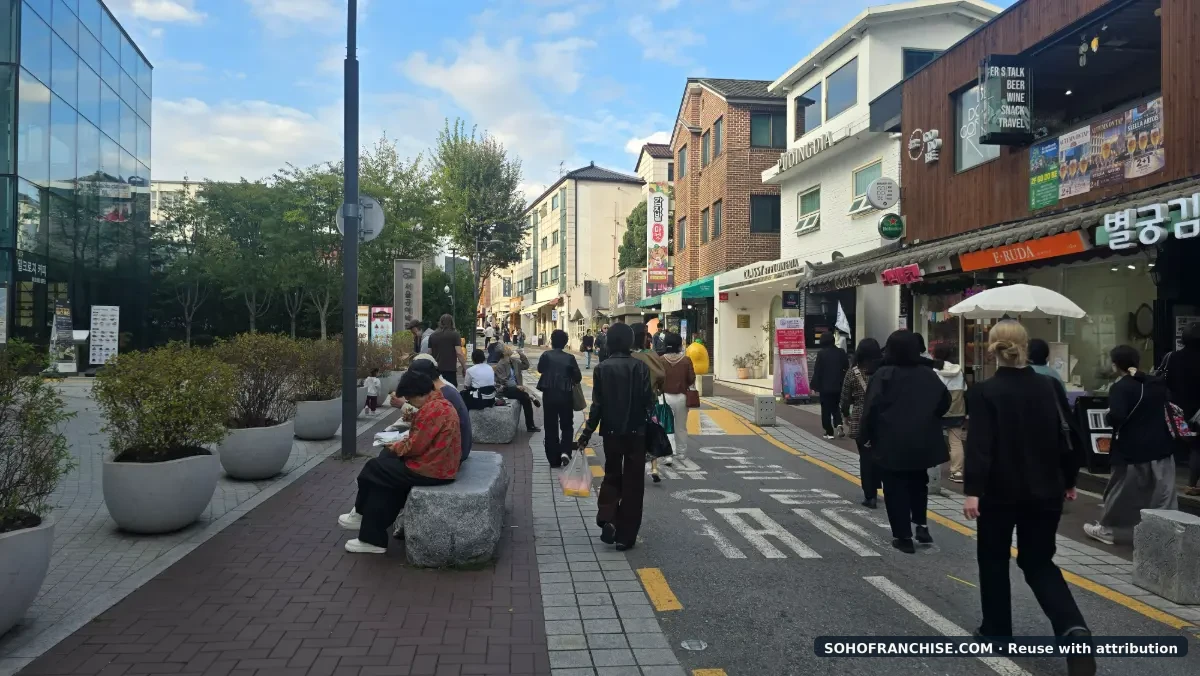
Why International Visitors Love Anguk
Anguk offers a convenient combination of cultural attractions and contemporary lifestyle experiences.
Visitors can explore historic architecture in the morning, enjoy a bakery or coffee break in the afternoon and continue towards the galleries and boutiques of Samcheong-dong.
The neighbourhood is particularly appealing to travellers interested in photography, architecture, design and Korean café culture.
4. Samcheong-dong: Galleries, Boutiques and Seoul's Creative Spirit
Continuing north from Anguk brings visitors into Samcheong-dong, one of Seoul's most charming cultural districts.
Located near Gyeongbokgung Palace and Bukchon Hanok Village, Samcheong-dong is known for its distinctive streetscape, independent galleries, boutiques, restaurants and cafés.
Traditional architecture remains an important part of the neighbourhood's identity, but contemporary design and creative businesses have introduced a modern character.
Walk Along Samcheong-ro
Samcheong-ro, the main street running through the neighbourhood, offers an enjoyable walking experience with a mixture of traditional buildings and modern storefronts.
Visitors can browse small shops, discover local art galleries and enjoy cafés housed in renovated buildings.
Side streets provide quieter opportunities to appreciate the area's architecture and neighbourhood atmosphere.
Unlike Seoul's large shopping malls, Samcheong-dong encourages visitors to explore at a slower pace.
Art, Design and Local Experiences
Samcheong-dong's appeal extends beyond shopping and dining.
The neighbourhood is closely connected to Seoul's cultural landscape, with galleries, exhibitions and creative spaces contributing to its artistic identity.
Its proximity to Bukchon and Gyeongbokgung also makes it a convenient destination for visitors interested in exploring Korean history alongside contemporary urban culture.
5. A Different Seoul by Day and Night
One of the most interesting aspects of this route is how dramatically the atmosphere changes throughout the day.
Anguk and Samcheong-dong are particularly enjoyable during daylight hours, when visitors can explore cafés, galleries and traditional streets.
Jongno 3-ga offers a different experience after sunset, as restaurants fill with customers and colourful signs illuminate the streets.
For travellers seeking both cultural sightseeing and local nightlife, combining these neighbourhoods creates a rewarding full-day experience.
6. Suggested Walking Itinerary
Morning — Anguk and Bukchon
Start at Anguk Station and explore the surrounding streets. Enjoy a coffee or bakery breakfast before walking towards Bukchon Hanok Village.
Early Afternoon — Samcheong-dong
Continue along Samcheong-ro, visiting independent shops, galleries and cafés. Take time to explore the quieter side streets.
Late Afternoon — Insadong and Ikseon-dong
Walk south towards Insadong, known for traditional crafts, souvenirs and cultural shops. Continue to Ikseon-dong to discover its hanok cafés and narrow pedestrian lanes.
Evening — Jongno 3-ga
Finish the day with Korean barbecue or another traditional meal near Jongno 3-ga Station. Explore the lively streets around Exits 4 and 5 to experience the neighbourhood after dark.
7. Visitor Information
- Location: Jongno-gu, central Seoul, South Korea
- Nearest subway stations: Anguk Station (Line 3) and Jongno 3-ga Station (Lines 1, 3 and 5)
- Suggested duration: Half a day to a full day
- Best time to visit: Afternoon through evening
- Recommended experiences: Korean barbecue, hanok cafés, galleries, boutique shopping and neighbourhood walking
- Walking difficulty: Generally easy, although some streets around Bukchon and Samcheong-dong are uphill
Travel tip: Begin around Anguk Station and finish at Jongno 3-ga in the evening. This allows visitors to experience Seoul's traditional streets during the day and its lively restaurant culture after sunset.
When visiting residential areas such as Bukchon, respect local residents and observe posted visitor restrictions.
Discover Seoul Beyond the Famous Landmarks
Seoul's appeal lies not only in its palaces, skyscrapers and major shopping districts, but also in the everyday streets connecting them.
Jongno 3-ga, Anguk and Samcheong-dong reveal how traditional neighbourhoods continue to evolve while maintaining their individual identities.
For international visitors, exploring these connected districts offers an opportunity to experience Seoul through its food, architecture, culture and people.
📍 Explore This Seoul Walking Route on Google Maps
Discover Jongno 3-ga, Ikseon-dong, Anguk and Samcheong-dong on your own walking adventure.
📍 View Walking Route on Google Maps
SOHOFRANCHISE Editorial | Seoul, South Korea