SOHOFRANCHISEDISCOVER THE REAL KOREA
EXPLORE KOREA

Franchise in Korea

International franchise brands, market entry and the business stories shaping Korea’s streets.

International franchise brand?Bringing your brand to Korea or already here? Share your story with travellers and local partners — sponsored features are clearly labelled.
Tell us your story →

19 stories · page 1 of 2

Can Korea’s Old “Yeogwan” Become a New Hospitality Brand?

Can Korea’s Old “Yeogwan” Become a New Hospitality Brand?

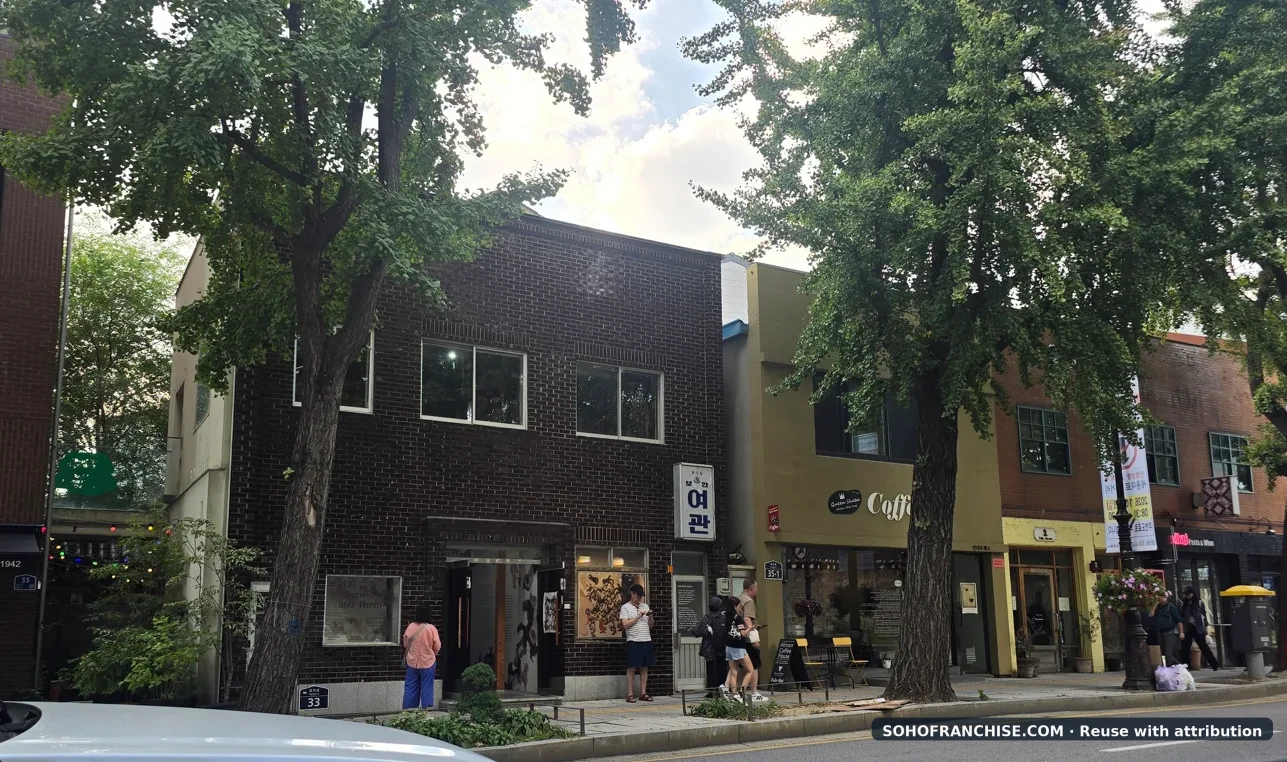
Once regarded simply as Korea’s cheapest form of accommodation, the traditional yeogwan may have new potential in the experience-driven travel era. As Seoul’s older neighborhoods embrace hanok stays, urban homestays, guesthouses and Airbnb-style accommodation, Korea’s small lodging industry is shifting from selling inexpensive rooms to selling local experiences. Could “Yeogwan” itself be reinvented as a distinctly Korean hospitality brand?
Korea’s Grocery Retail Map: Convenience Stores, Supermarkets and the Franchise vs. Independent Store Opportunity

Korea’s Grocery Retail Map: Convenience Stores, Supermarkets and the Franchise vs. Independent Store Opportunity

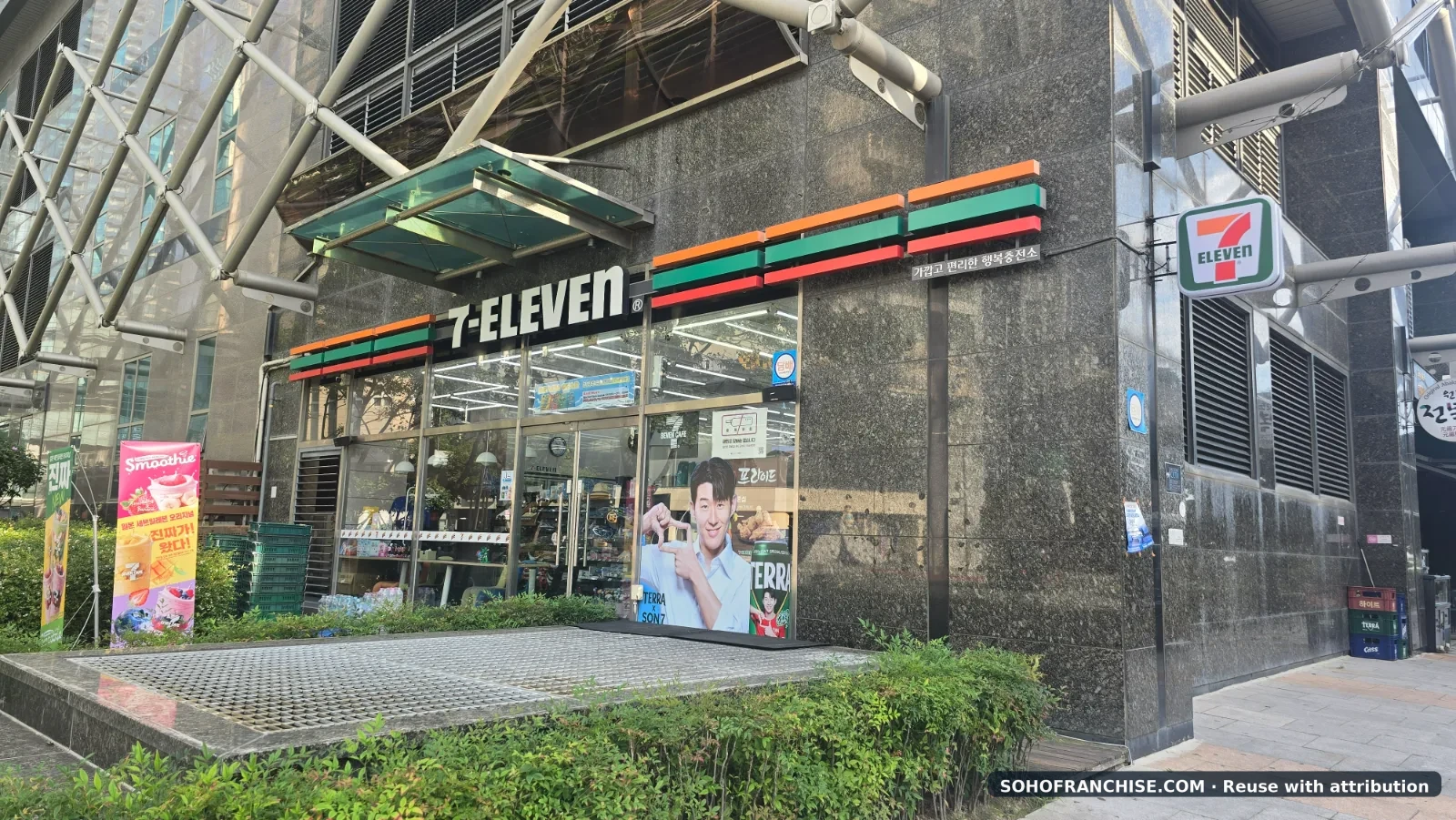
South Korea has one of the world’s densest convenience-store networks, but the market is changing. More than 53,000 major-chain convenience stores compete with corporate supermarkets, independent neighborhood markets and traditional “mom-and-pop” grocery stores. SOHOFRANCHISE examines the national retail landscape and asks a practical question for entrepreneurs: is it safer to open a branded franchise, or can an independent supermarket still compete?

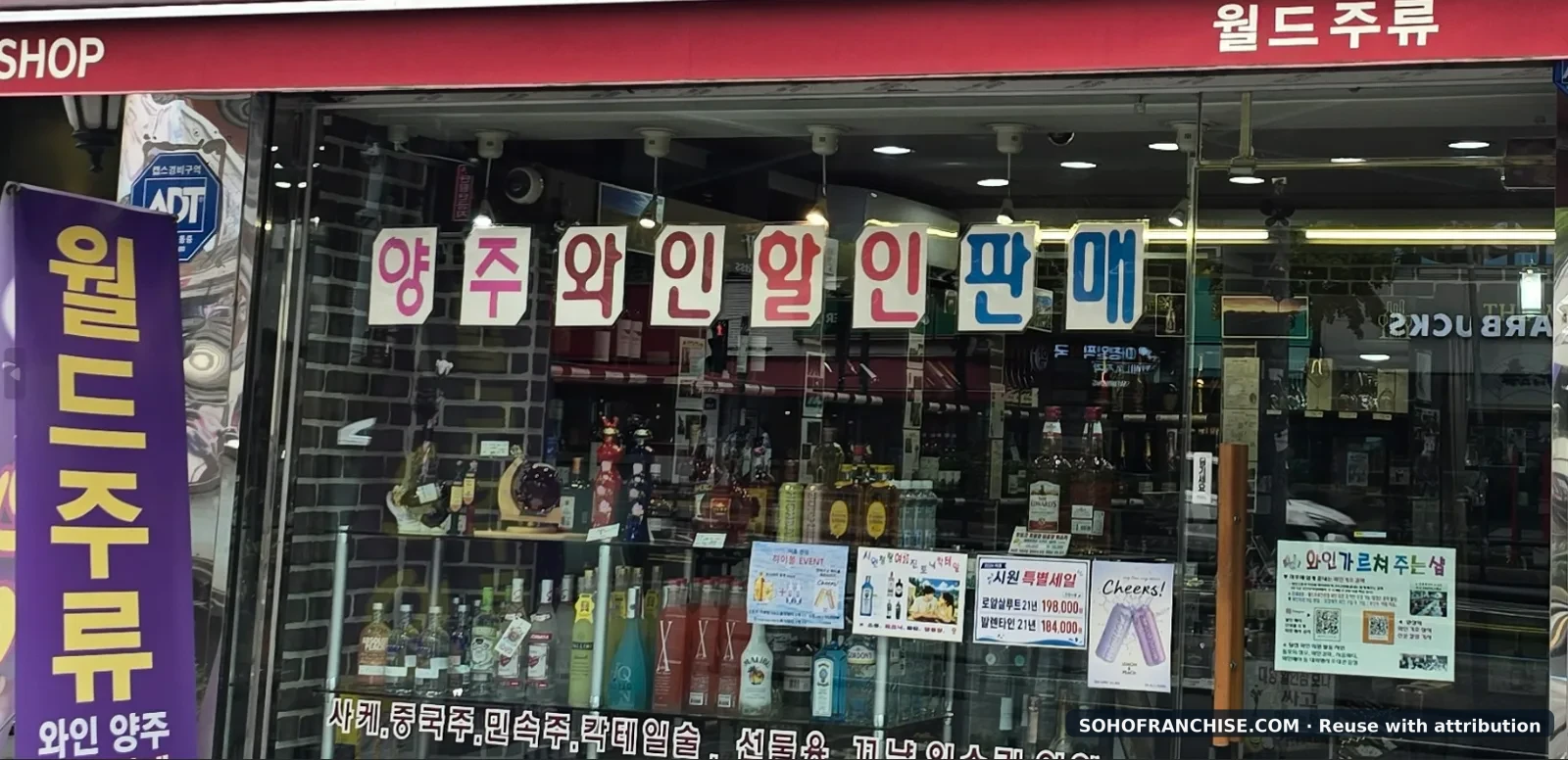
Korea’s Liquor & Wine Retail Business: Competitiveness, Expected Income and the Legal Realities of Alcohol Distribution

Korea’s Liquor & Wine Retail Business: Competitiveness, Expected Income and the Legal Realities of Alcohol Distribution

Liquor retail may look attractive because of premium wine, whisky and gift demand, but in Korea it is not a simple retail business. Alcohol sales remain a permit-based industry, online sales are tightly restricted, and wholesale access is shaped by licensing rules. SOHOFRANCHISE examines whether a neighborhood liquor store or franchise-style wine shop can still offer a viable small-business opportunity.

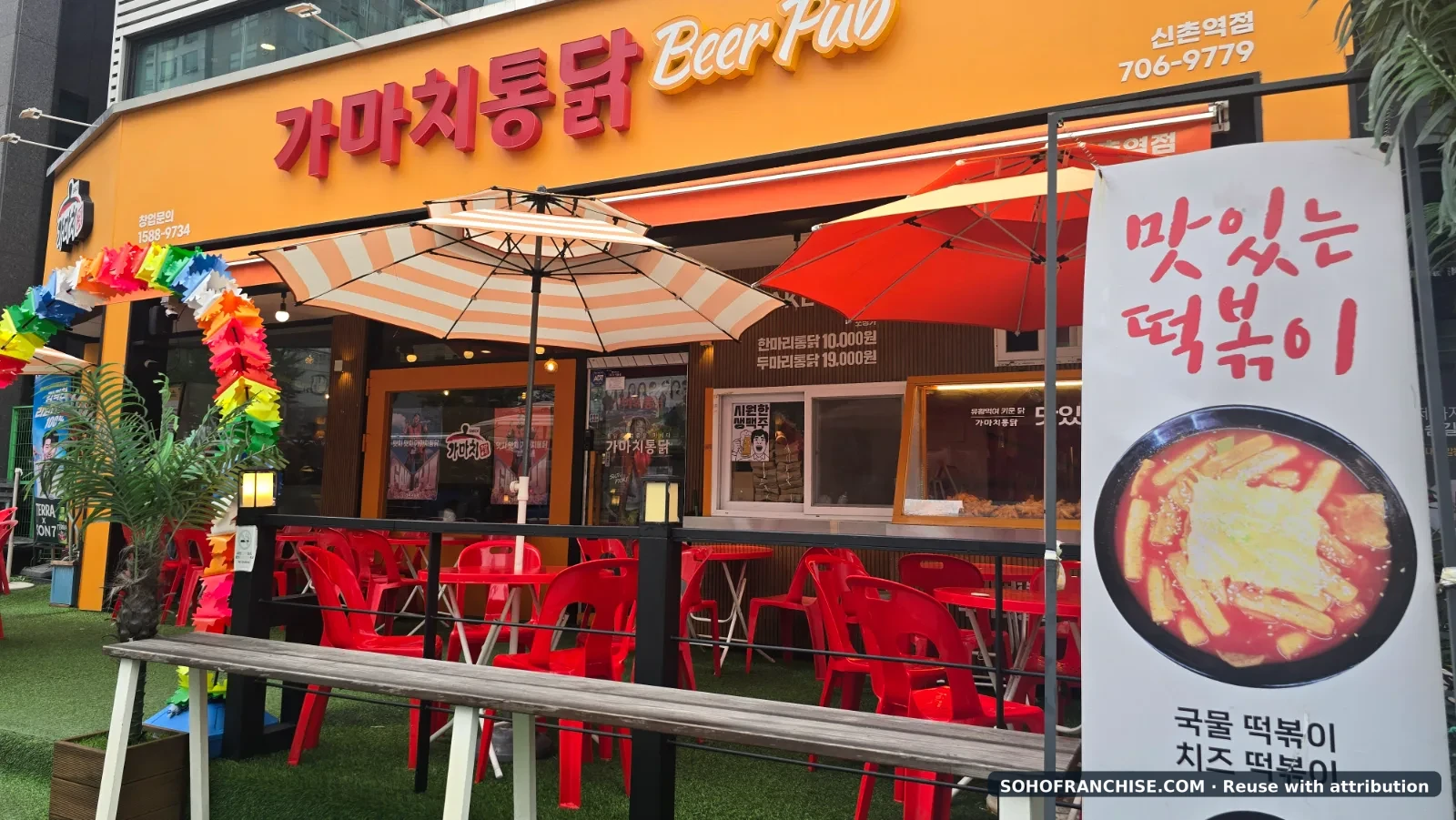
Is Korea’s Chicken Franchise Still a Good Retirement Business for Baby Boomers?

Is Korea’s Chicken Franchise Still a Good Retirement Business for Baby Boomers?

Chicken has long been one of Korea’s most familiar post-retirement businesses. But with nearly 29,000 franchise outlets, rising operating costs and a 12% annual closure rate, opening a chicken restaurant can no longer be considered an easy or low-risk retirement strategy. SOHOFRANCHISE examines whether smaller, owner-operated neighborhood concepts could still work for Korea’s aging baby-boom generation.

Can Parking Lots Become the Next Franchise Business? From Unmanned Parking to AI Mobility Hubs

Can Parking Lots Become the Next Franchise Business? From Unmanned Parking to AI Mobility Hubs

Parking may look like a simple real-estate business, but AI, unmanned payment, EV charging and autonomous taxis could transform parking lots into a new type of recurring service infrastructure. SOHOFRANCHISE examines whether Korea’s parking business can evolve into a scalable franchise or operating-network model.

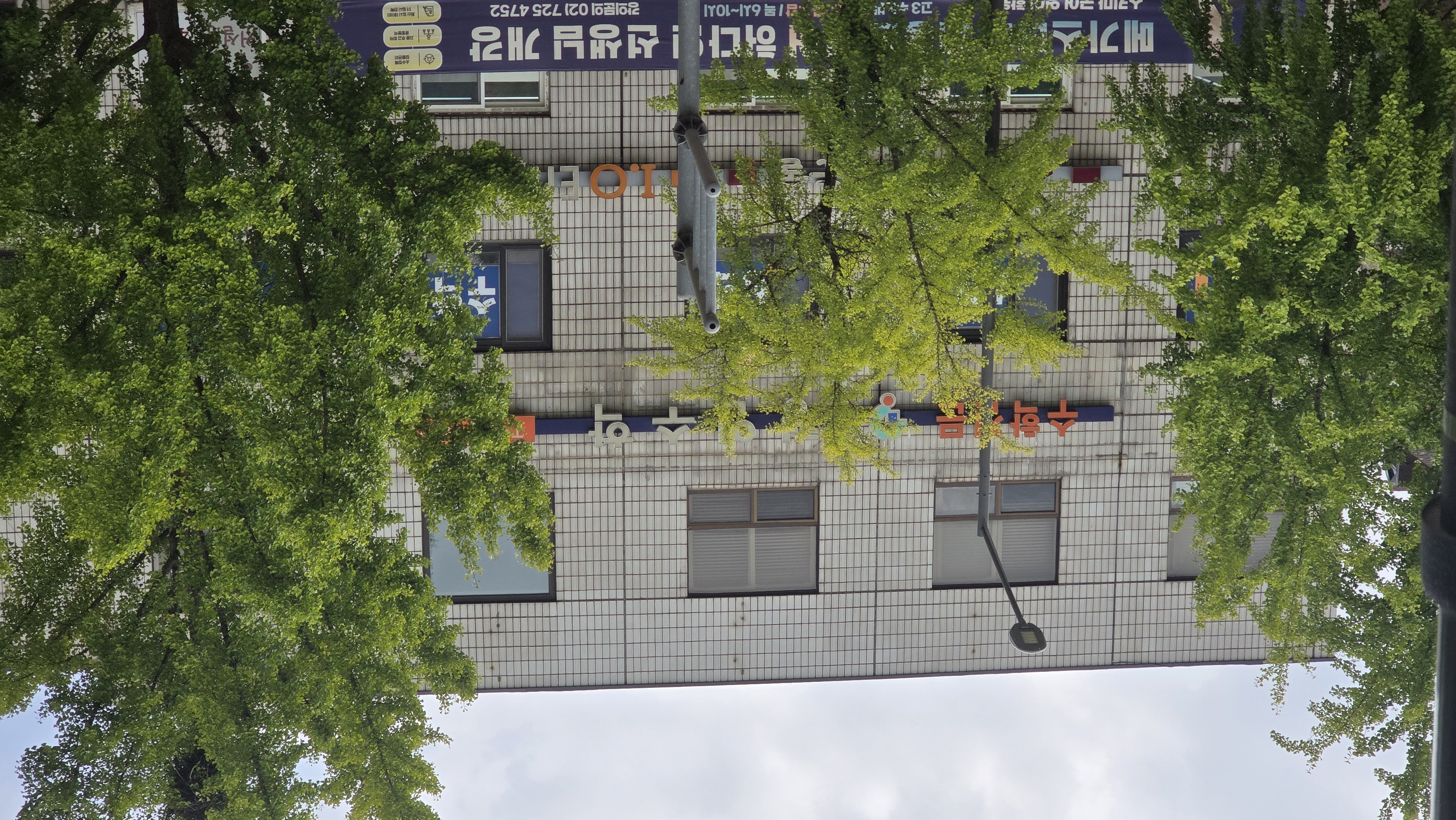
Why Mathematics Can Decide a Korean Student’s University — and Why Math Academies Remain a Powerful Franchise Business

Why Mathematics Can Decide a Korean Student’s University — and Why Math Academies Remain a Powerful Franchise Business

South Korea’s private education market reached KRW 27.5 trillion in 2025. Mathematics alone represents an implied market of roughly KRW 7.7 trillion a year. For students targeting elite universities, particularly STEM, engineering and medical programs, mathematics often has more leverage than any other single subject. That makes the math academy not only an educational institution, but one of Korea’s most resilient education-business formats.

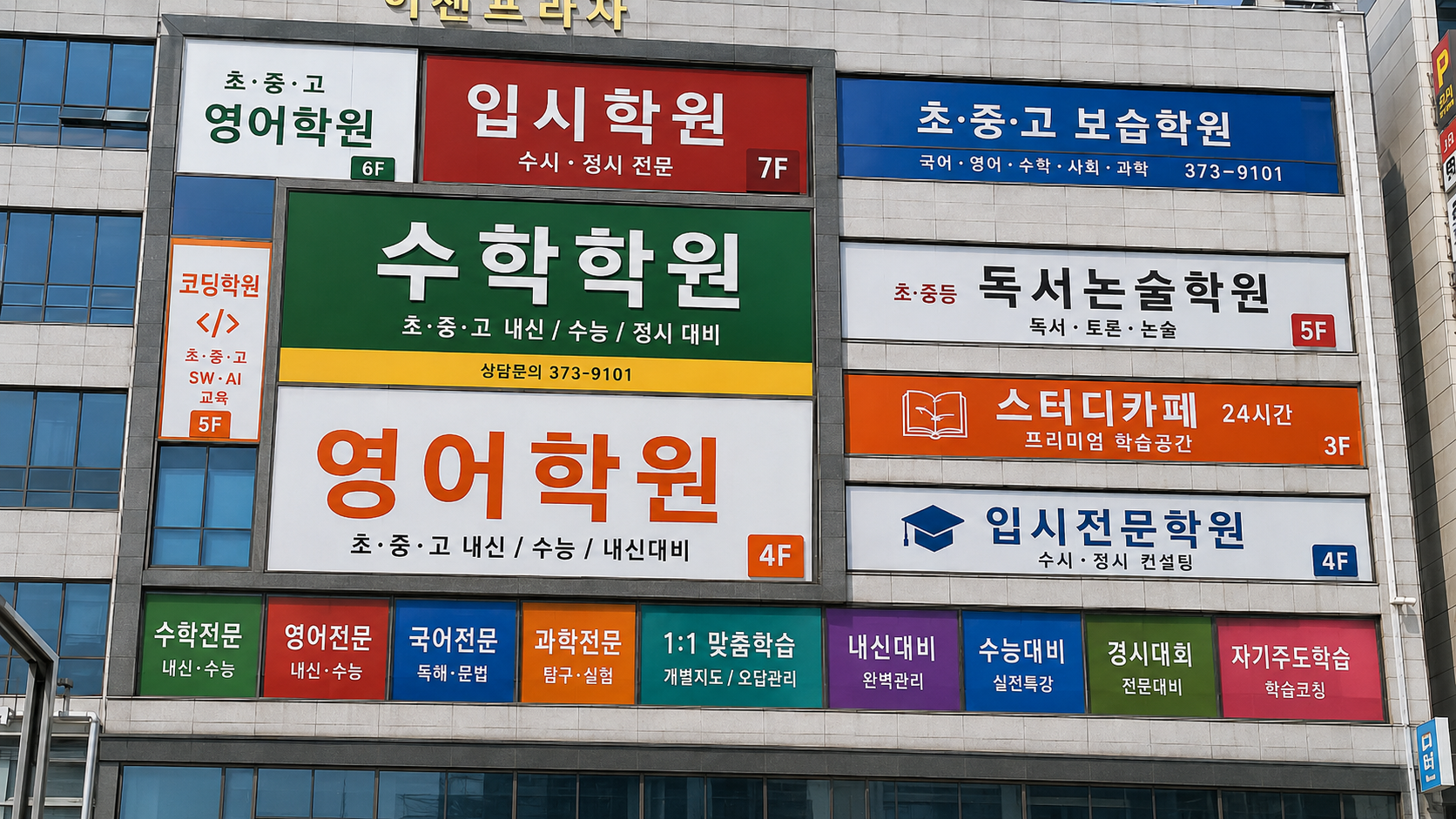
Why Korea Studies Math First: Daechi-dong, Calculus and the Elite-University Pipeline

Why Korea Studies Math First: Daechi-dong, Calculus and the Elite-University Pipeline

In South Korea, families often prioritize mathematics years before the university entrance exam. The reason is structural: mathematics is cumulative, difficult to compress into last-minute study and highly influential in elite STEM and medical-school competition. The result is a massive private-education ecosystem concentrated in Seoul’s Gangnam and Daechi-dong districts. But does living in Gangnam actually increase the chance of entering a top university? The data says the correlation is remarkably strong — although academies are only one part of the explanation.

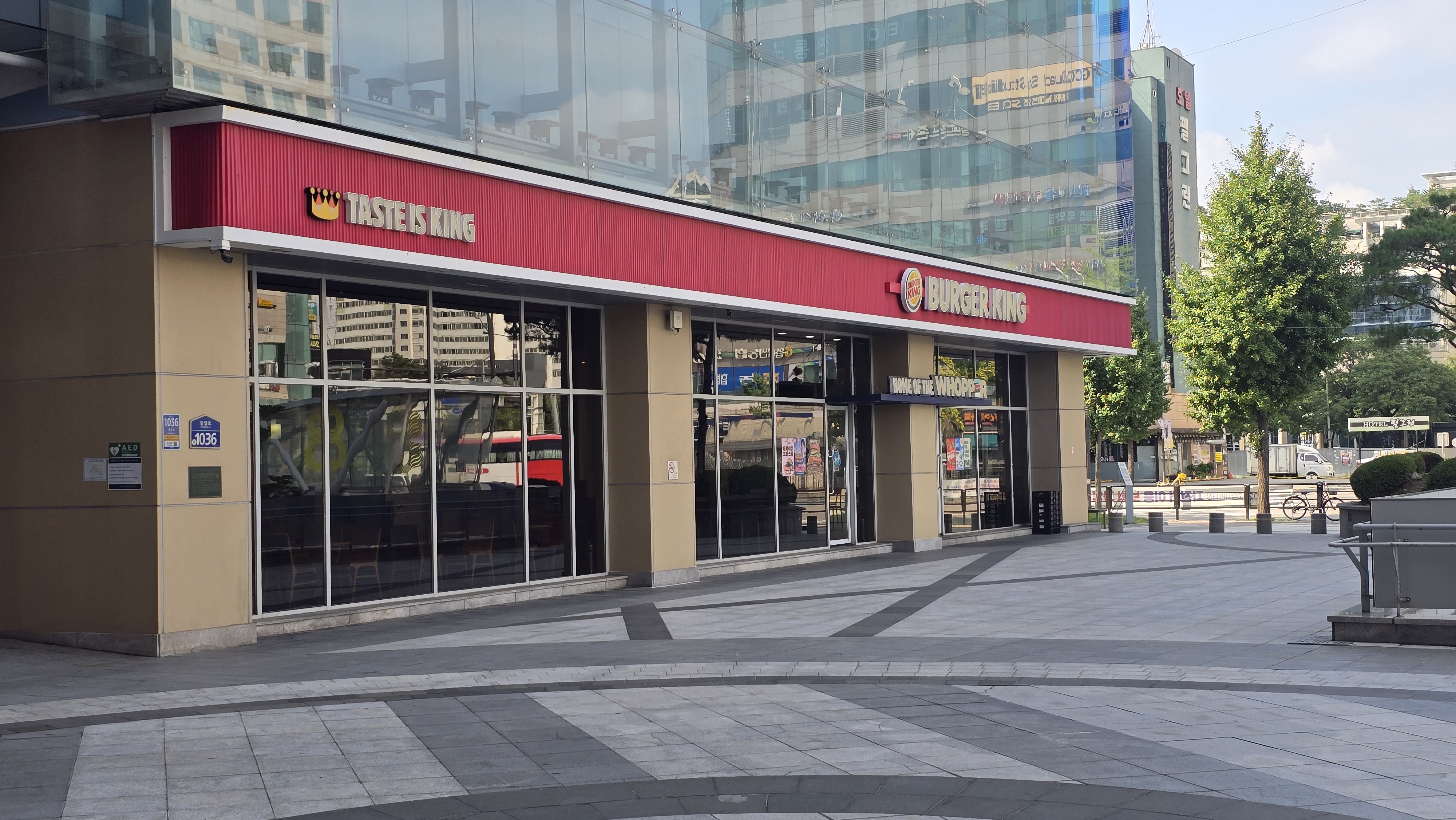
South Korea’s Burger Market Is No Longer Just a Fast-Food Business

South Korea’s Burger Market Is No Longer Just a Fast-Food Business

South Korea has become one of Asia’s most competitive burger markets. McDonald’s leads in sales, while Mom’s Touch and Lotteria dominate the country by store count. But behind the brand rankings lies a very different franchise structure: some chains are almost entirely franchised, while others remain predominantly company-owned. SOHOFRANCHISE examines market size, store networks, franchise ratios, sales and startup costs.

Korea’s Restaurant Franchise Market Meets a Massive Retirement Wave

Korea’s Restaurant Franchise Market Meets a Massive Retirement Wave

South Korea’s restaurant franchise industry is expanding just as 9.54 million second-generation baby boomers begin entering retirement. This demographic shift could create a major new market for franchise ownership, particularly for smaller, lower-labor and easier-to-operate food businesses.

Korea’s Pet Lifestyle Boom: Why Unmanned Pet Shops Could Be the Next Small Franchise Model

Korea’s Pet Lifestyle Boom: Why Unmanned Pet Shops Could Be the Next Small Franchise Model

South Korea’s fast-growing pet market is expanding beyond food and veterinary care into grooming, accessories, fashion and lifestyle services. As unmanned retail becomes increasingly familiar in Korean cities, small hybrid pet shops combining self-service retail, grooming reservations and smart pickup systems could emerge as a promising new franchise model.

PHOTOGRAY in Seoul: When an Unmanned Photo Booth Becomes a Lifestyle Retail Experience

PHOTOGRAY in Seoul: When an Unmanned Photo Booth Becomes a Lifestyle Retail Experience

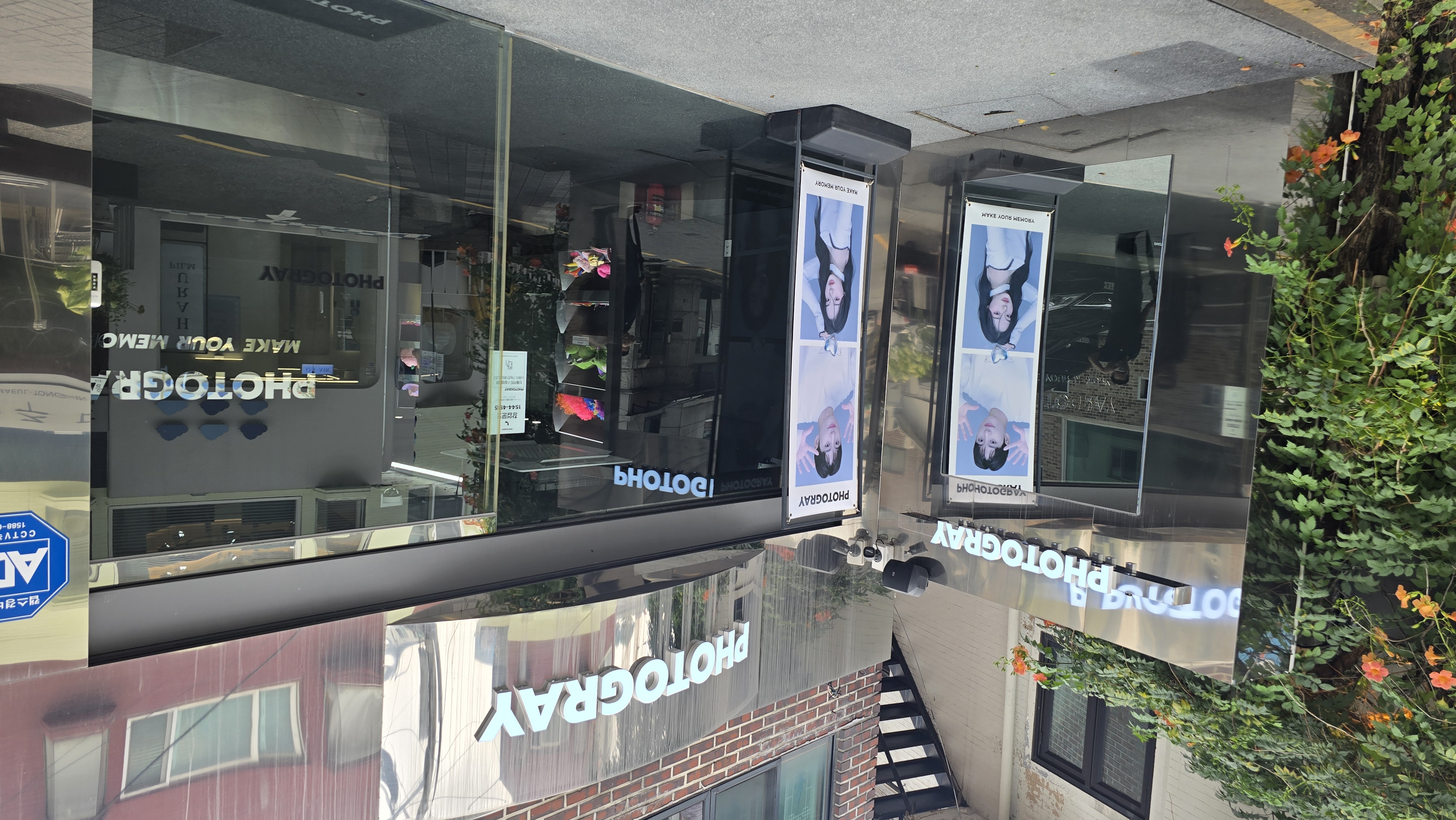
A PHOTOGRAY self-photo studio photographed on the streets of Seoul shows how Korea’s unmanned photo-booth market is evolving beyond a simple vending-style service. Strong exterior branding, digital displays, photo props and a highly visual interior turn a small retail space into an experience designed for young customers, couples, friends and tourists.

PHOTOISM in Seoul: How an Unmanned Photo Booth Turns a Small Streetfront into a Retail Business

PHOTOISM in Seoul: How an Unmanned Photo Booth Turns a Small Streetfront into a Retail Business

A small PHOTOISM BOX on a Seoul neighborhood street shows why unmanned photo studios are becoming an interesting micro-retail model. With a compact footprint, simple customer flow and strong appeal to tourists and younger consumers, the format turns photography into a self-service retail experience rather than a traditional photo studio.