
Two Neighbourhoods, Two Different Sides of Seoul
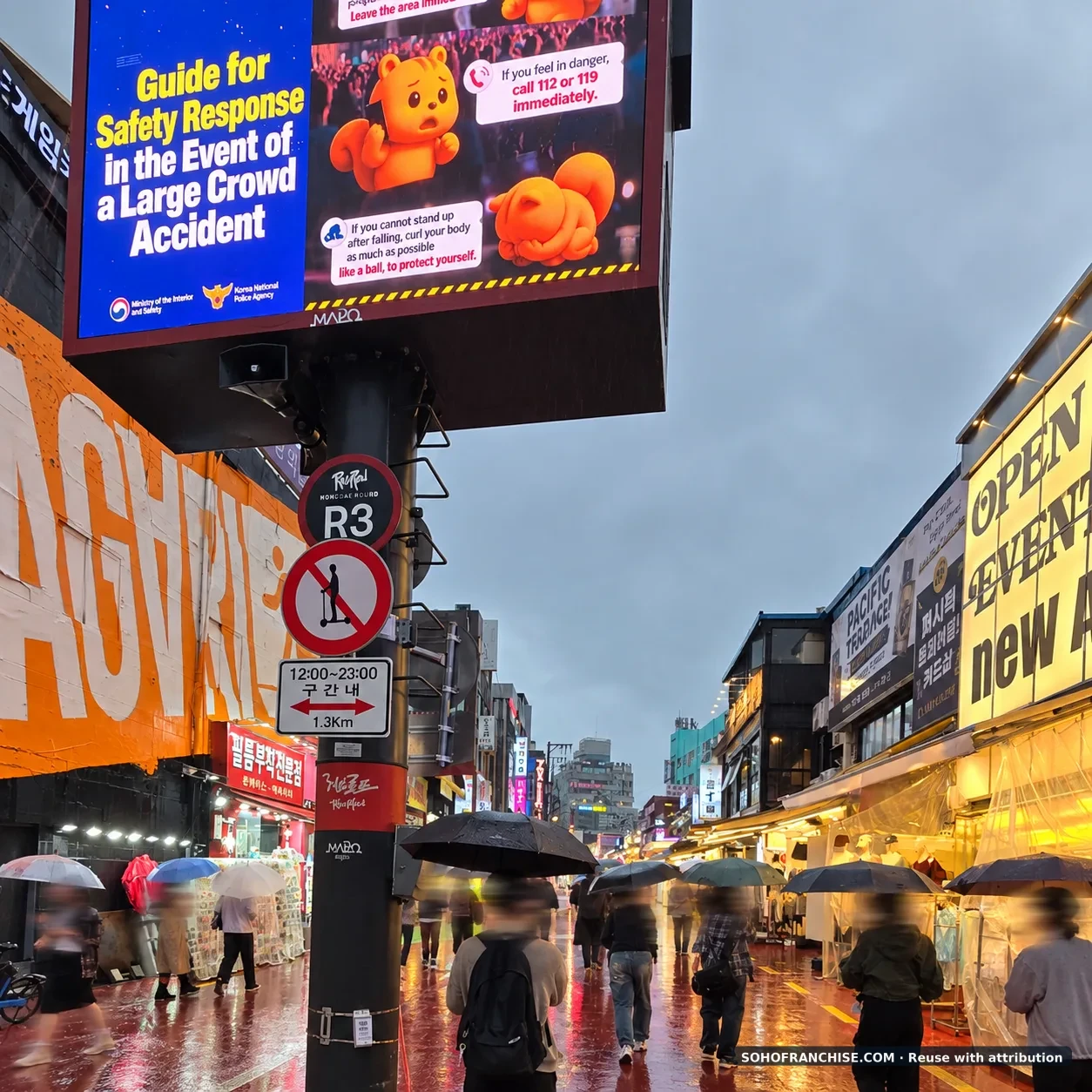
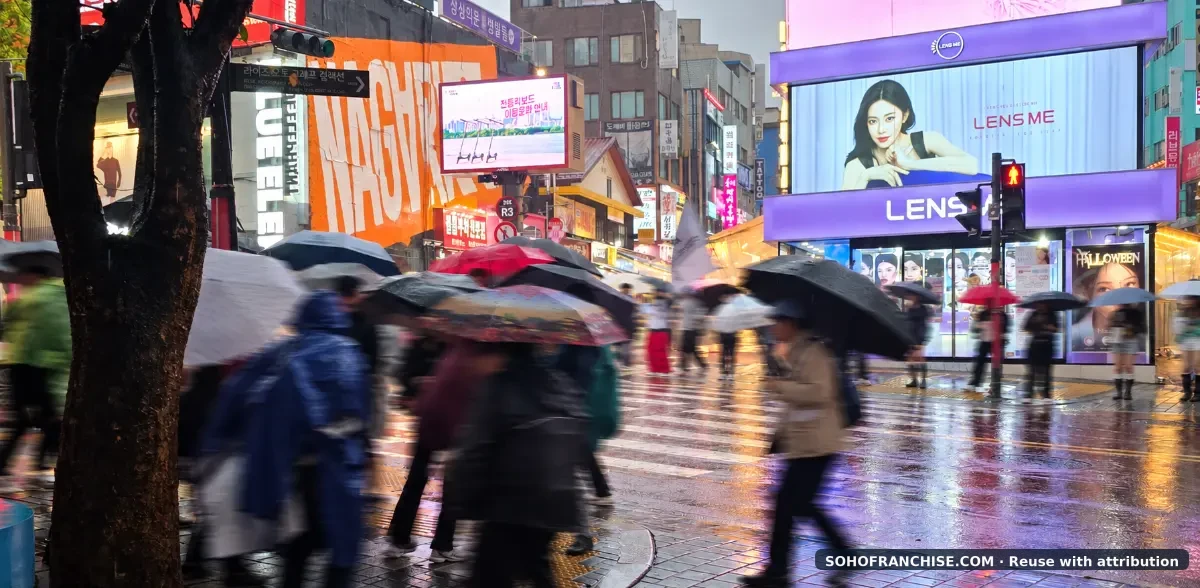
On a rainy October afternoon in 2026, the streets of Hongdae were alive with umbrellas, colourful storefronts, illuminated signs and young people moving between fashion shops, restaurants and cafés.
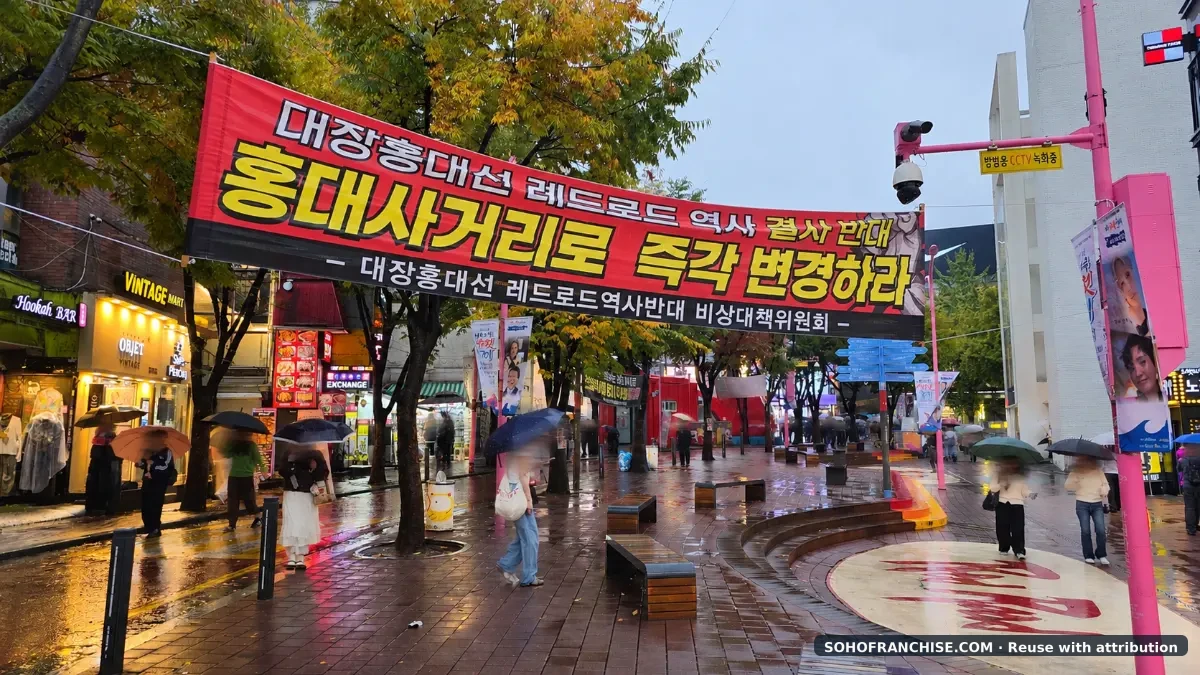
Large advertising screens reflected across wet pavements, while shoppers continued exploring the district despite the weather. A public safety billboard warned pedestrians about crowd-related accidents, and an enormous protest banner stretched across one of the neighbourhood's busiest pedestrian streets.
These scenes reveal something interesting about Seoul: its shopping districts are not simply places to spend money. They are living urban environments where entertainment, commerce, social issues and everyday life come together.
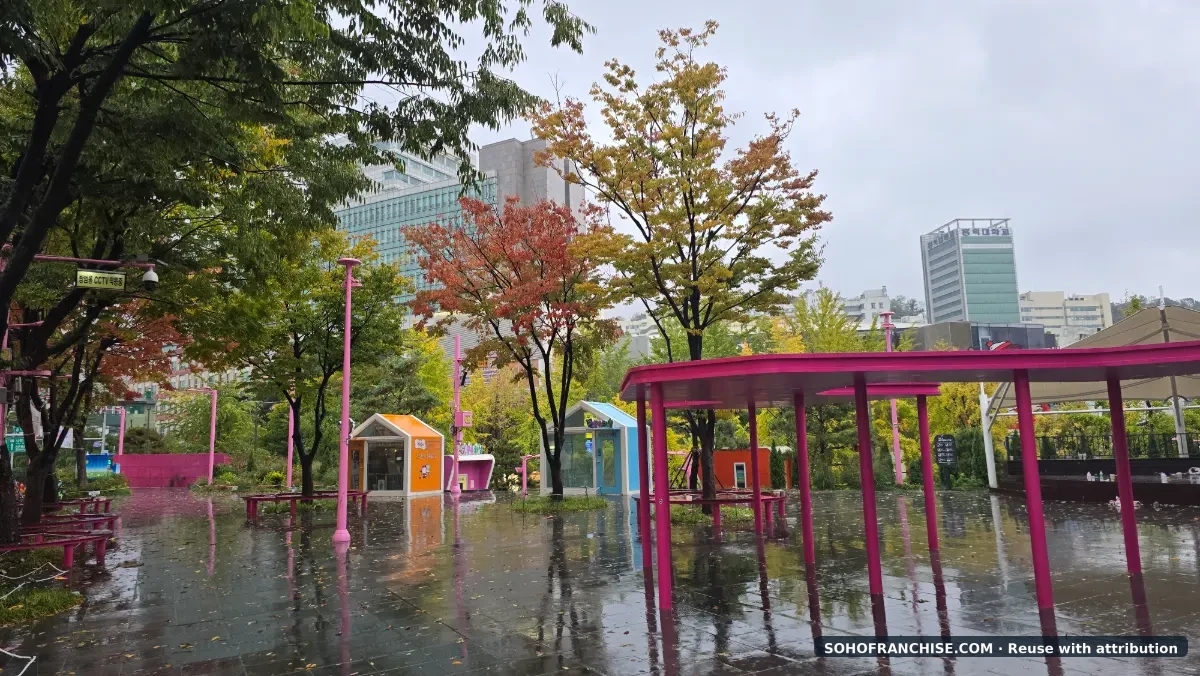
Just a short walk north of Hongik University Station, Yeonnam-dong offers a different atmosphere. Tree-lined streets, independent cafés, small restaurants and creative shops provide a more relaxed alternative to Hongdae's energetic commercial centre.
Both neighbourhoods are worth exploring, but for very different reasons.
Hongdae: The Creative Heart of Seoul's Youth Culture
Hongdae takes its name from Hongik University, one of South Korea's prominent universities for art and design.
The surrounding neighbourhood gradually developed into a centre for independent music, artistic expression, youth fashion and alternative culture.
Today, Hongdae is also one of Seoul's major international tourism districts, attracting Korean students, young professionals and visitors from around the world.
Its streets are filled with fashion boutiques, cosmetics stores, restaurants, karaoke rooms, dance studios, entertainment venues and colourful digital advertising.
One of the most recognisable parts of the district is RED ROAD, a lively pedestrian-oriented area associated with street performances, shopping and entertainment.
Visitors may encounter K-pop dance performances, independent musicians and groups of young people gathering around public performance spaces. The atmosphere becomes particularly energetic in the afternoon and evening.
Even in rainy weather, Hongdae retains its appeal. Bright storefronts, glowing advertisements and reflections on the pavement create an urban landscape that is particularly attractive for street photography.
Why Are There So Many Protest Banners in Korean Streets?
International visitors exploring Korea may notice something that is less common in some other tourist destinations: large banners expressing public demands, objections and political or community messages.
These banners can appear above shopping streets, near construction projects, outside public institutions and along major roads.
In Hongdae, our October 2026 photographs captured an especially large red banner calling for a change to the proposed station location on the Daejang-Hongdae metropolitan railway project.
The message demanded that the station be located at Hongdae Intersection rather than the planned RED ROAD location. It was displayed by a local emergency response committee opposing the proposed station siting.
The banner is an example of how transportation infrastructure and urban development can become subjects of public disagreement.
A Culture of Public Participation
South Korea has a strong and highly visible tradition of public civic participation.
The country's democratic development, particularly the democratic movements of the late twentieth century, helped establish demonstrations, petitions and organised public campaigns as familiar forms of political and social expression.
Today, residents, business associations, community organisations and advocacy groups frequently communicate their positions through public statements, rallies and street banners.
These messages are not always directed at the national government. They may concern municipal decisions, transportation routes, neighbourhood redevelopment, environmental concerns, business regulations or local community interests.
For international tourists, the banners provide an unexpected glimpse into Korean society: a place where urban development is often discussed and contested openly.
It is worth remembering that a protest banner expresses the position of its organisers, not necessarily the consensus of all residents.
Crowd Safety: A Visible Priority in Hongdae
Another striking feature of the streets around Hongdae is the presence of public safety information.
During our visit, a large digital screen displayed English-language guidance on how to respond to a dangerous crowd-related emergency.
The information included instructions for protecting oneself in a densely crowded area and contacting emergency services.
Hongdae is a popular nightlife and entertainment destination, especially during weekends, holidays and major events.
Its narrow streets and busy pedestrian areas make responsible crowd management particularly important.
For tourists, the presence of multilingual safety messages also reflects Seoul's increasingly international visitor population.
Emergency telephone numbers in South Korea:
- 112: Police emergencies.
- 119: Fire and ambulance emergencies.
- 1330: Korea Travel Helpline for tourist assistance.
During large gatherings, visitors should follow local safety instructions and avoid entering dangerously congested spaces.
The Rise of Tourist-Oriented Pharmacies in Hongdae
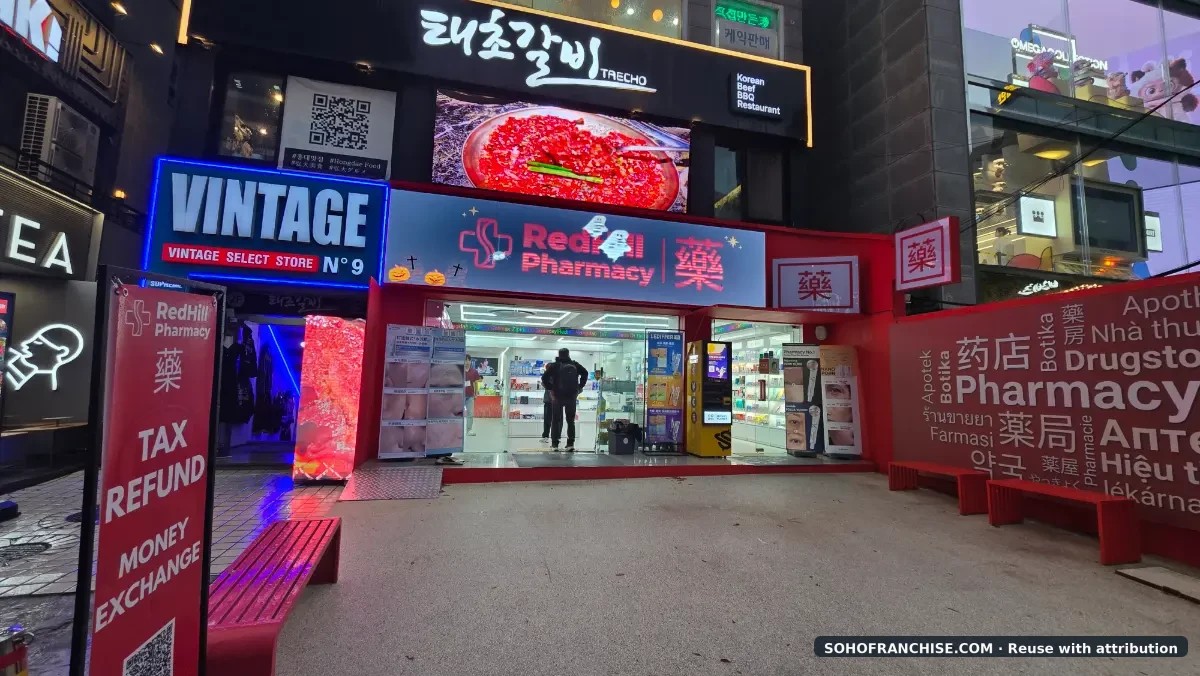
One of the more noticeable changes in Hongdae's commercial streets is the emergence of prominent pharmacies targeting international visitors.
Our photographs show a pharmacy displaying large signs in multiple languages, together with advertisements for tax refunds, money exchange and pharmacy services.
For many travellers, this may look quite different from the traditional neighbourhood pharmacy.
From Healthcare to K-Beauty Shopping
South Korea is internationally recognised for its cosmetics, skincare innovation and beauty-related consumer products.
Alongside conventional cosmetics retailers, some tourist-oriented pharmacies have increasingly promoted dermatological skincare products, wellness items and other pharmacy merchandise.
The appeal to international customers is understandable. Visitors may already be familiar with Korean skincare brands and are interested in products recommended or sold through Korean pharmacies.
At the same time, pharmacies operate differently from ordinary cosmetics shops. Prescription medicines, over-the-counter drugs and other regulated products are subject to applicable Korean pharmaceutical rules.
Visitors should consult a licensed pharmacist when buying medicines and verify whether those products may legally be taken into their home country.
A New Commercial Opportunity
The growth of tourist-facing pharmacies is an interesting example of how Seoul's commercial districts adapt to changes in foreign visitor demand.
Hongdae was once primarily associated with music, fashion and nightlife. Today, beauty, skincare, wellness-related shopping and multilingual retail services add another dimension to the district.
However, the appearance of several prominent pharmacies does not by itself establish how quickly the overall sector is growing. It is best understood as a visible local retail trend.
Yeonnam-dong: Seoul's Independent Café and Lifestyle Neighbourhood
While Hongdae is known for dense commercial activity, neighbouring Yeonnam-dong offers a noticeably different experience.
Located to the north of Hongik University Station, Yeonnam-dong has become popular for its independent restaurants, speciality cafés, bakeries, lifestyle shops and creative businesses.
Its appeal lies in exploring smaller streets rather than following a single major shopping boulevard.
Visitors can discover cafés with carefully designed interiors, small fashion and lifestyle boutiques, restaurants offering international and Korean fusion dishes, and speciality dessert shops.
Many establishments occupy relatively small buildings, giving the neighbourhood a more intimate atmosphere than Hongdae's larger commercial streets.
Gyeongui Line Forest Park: An Urban Regeneration Success
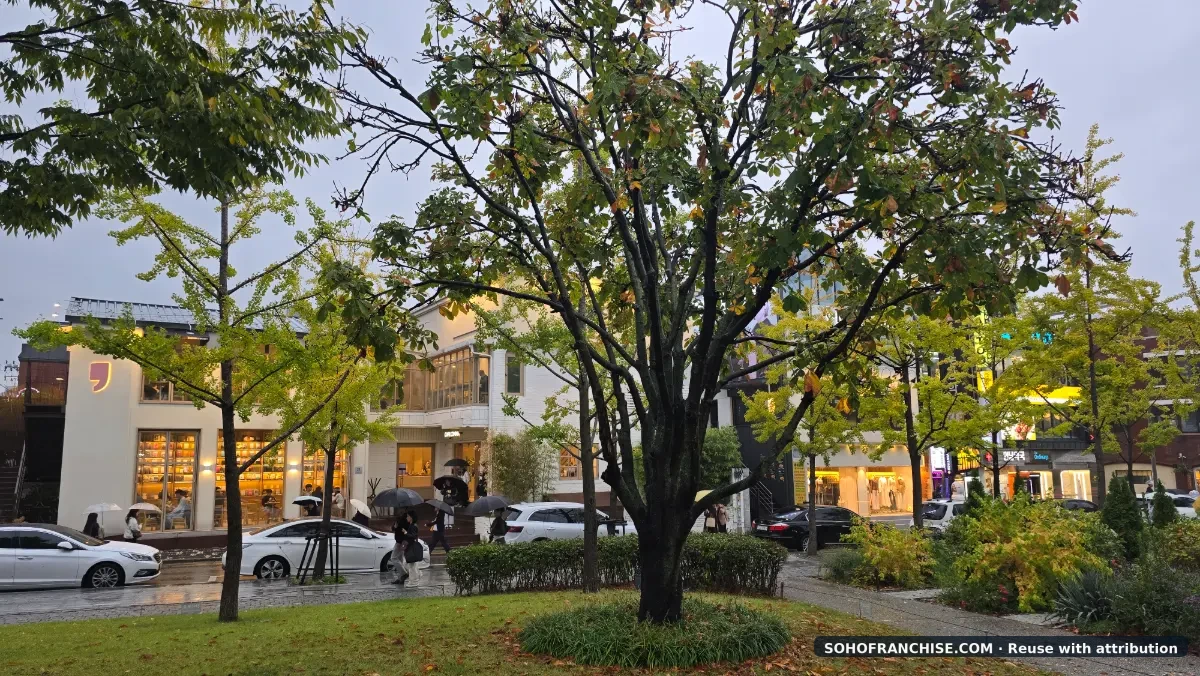
One of Yeonnam-dong's most important public attractions is Gyeongui Line Forest Park.
The park was developed along sections of a former railway corridor after railway infrastructure was relocated underground.
Today, the linear green space connects urban walking paths with nearby residential and commercial streets.
The Yeonnam-dong section is often nicknamed "Yeontral Park", a playful reference to New York's Central Park.
The surrounding area has attracted cafés, restaurants, boutiques and independent lifestyle businesses, turning the former railway corridor into a popular urban leisure destination.
The park illustrates how public infrastructure renewal can transform a neighbourhood's character and create opportunities for local commerce.
Visitors can enjoy a walk beneath the trees, stop for coffee or explore the smaller streets surrounding the greenway.
Hongdae vs. Yeonnam-dong: Comparing Two Commercial Districts
Hongdae: High Traffic, Fast-Moving Trends and Entertainment
Hongdae's commercial model is built around concentrated pedestrian activity and a broad range of shopping and entertainment options.
- Fashion and streetwear retailers.
- K-beauty and cosmetics stores.
- Tourist-oriented pharmacies and specialty shopping.
- Street performances and K-pop culture.
- Korean barbecue restaurants and casual dining.
- Nightclubs, bars and late-night entertainment.
Hongdae is especially suitable for visitors seeking energy, nightlife, shopping and contemporary Korean youth culture.
Yeonnam-dong: Independent Hospitality and Lifestyle Experiences
Yeonnam-dong places greater emphasis on smaller-scale businesses and individual experiences.
- Independent cafés and speciality coffee.
- Creative brunch and casual dining restaurants.
- Small bakeries and dessert shops.
- Design objects, stationery and lifestyle boutiques.
- Neighbourhood walks and green spaces.
- Small bars and relaxed evening dining.
Yeonnam-dong is particularly appealing to travellers who enjoy discovering individual businesses and exploring local neighbourhood character.
Different Atmospheres, Shared Challenges
Despite their differences, both districts face familiar challenges associated with successful commercial neighbourhoods.
Increasing visitor demand can create opportunities for businesses, but may also contribute to higher rents, stronger competition, changing retail identities and pressure on local residents.
Hongdae reflects the commercial scale and international reach of Korean youth culture, while Yeonnam-dong illustrates how independent businesses and neighbourhood atmosphere can become valuable tourism attractions.
The two areas are closely connected, allowing visitors to experience both in one trip.
What to Eat in Hongdae
Korean Barbecue
Hongdae is a convenient neighbourhood for experiencing Korean barbecue, including samgyeopsal (grilled pork belly) and other grilled meat dishes.
Restaurants range from casual student-oriented eateries to larger establishments catering to groups of friends and international visitors.
Korean Fried Chicken
Chicken restaurants and casual dining establishments are popular throughout the district.
Try classic fried chicken, sweet-and-spicy yangnyeom chicken or Korean-style boneless chicken served with a variety of sauces.
Street Food and Casual Meals
Depending on the street and season, visitors can find tteokbokki, hotteok, skewers, noodles and other Korean casual dishes.
Hongdae also offers numerous international restaurants reflecting Seoul's increasingly global food culture.
What to Eat in Yeonnam-dong
Brunch and Contemporary Cafés
Yeonnam-dong is well suited for travellers interested in brunch, creative sandwiches, speciality coffee and desserts.
Some cafés feature minimalist interiors, while others occupy renovated houses or small commercial buildings.
Independent Restaurants
Yeonnam-dong offers a diverse mix of Korean, Japanese, Italian, Southeast Asian and fusion restaurants.
The district is especially enjoyable for visitors who prefer to explore small independent establishments rather than major chains.
Desserts and Bakery Culture
From cakes and pastries to speciality breads and seasonal sweets, Yeonnam-dong provides numerous opportunities for a relaxing afternoon food tour.
Shopping: What Should You Buy?
Hongdae Shopping
Hongdae is an excellent place to browse Korean fashion, streetwear, cosmetics, accessories, character merchandise and youth-oriented lifestyle products.
Visitors interested in K-beauty can compare conventional beauty shops with the newer pharmacy-oriented retail offerings.
Yeonnam-dong Shopping
Yeonnam-dong is more appealing for shoppers looking for distinctive gifts and independent designs.
Small shops may offer stationery, ceramics, jewellery, handmade accessories, clothing and carefully curated lifestyle products.
For travellers interested in Korea's independent business scene, the contrast between these two retail environments is part of the experience.
How to Get to Hongdae and Yeonnam-dong
Nearest transport hub: Hongik University Station (홍대입구역), Mapo-gu, Seoul.
The station is served by Subway Line 2, AREX Airport Railroad All-Stop Trains and the Gyeongui–Jungang Line.
Getting to Hongdae
Use Hongik University Station Exit 9 as a convenient starting point for the main shopping streets.
From there, follow the busy pedestrian routes towards Hongdae RED ROAD, fashion stores, restaurants and entertainment areas.
Getting to Yeonnam-dong
Use Hongik University Station Exit 3 to reach the Yeonnam-dong side of Gyeongui Line Forest Park.
The nearby streets contain independent cafés, restaurants and lifestyle shops.
From Incheon International Airport
Take an AREX All-Stop Train to Hongik University Station. The non-stop AREX Express service does not serve Hongik University Station.
Google Maps: Find Your Way Around
Hongdae RED ROAD
View Hongdae RED ROAD on Google Maps
Yeonnam-dong / Gyeongui Line Forest Park
View Yeonnam-dong on Google Maps
Hongik University Station
Find Hongik University Station
Walking directions from Hongdae to Yeonnam-dong
Open Walking Directions in Google Maps
For additional local navigation, Naver Map and KakaoMap are widely used in South Korea.
Suggested Half-Day Walking Itinerary
- 2:00 PM — Hongik University Station: Begin at Exit 9 and explore Hongdae's main shopping streets.
- 3:00 PM — Hongdae Shopping: Visit Korean fashion, beauty and lifestyle stores, including the emerging pharmacy retail scene.
- 4:00 PM — RED ROAD: Discover street culture, public art, performances and the busy commercial environment.
- 5:00 PM — Yeonnam-dong: Return towards Hongik University Station and head towards Exit 3.
- 5:30 PM — Gyeongui Line Forest Park: Enjoy the green walking paths and surrounding neighbourhood streets.
- 6:00 PM — Coffee and Dessert: Relax at an independent Yeonnam-dong café.
- 7:00 PM — Dinner: Enjoy Korean barbecue in Hongdae or explore one of Yeonnam-dong's many restaurants.
Travel Tips for International Visitors
- Best time for Hongdae: Late afternoon and evening, particularly for shopping, performances and nightlife.
- Best time for Yeonnam-dong: Late morning through early evening for cafés, shopping and relaxed walking.
- Rainy weather: Both neighbourhoods remain attractive, although outdoor performances may be cancelled.
- Weekend crowds: Hongdae can become very busy. Follow pedestrian safety instructions.
- Payment: Cards are widely accepted, although carrying a small amount of Korean won is convenient.
- Photography: Respect people's privacy and avoid blocking entrances or crowded pedestrian streets.
- Recommended duration: Approximately 3–5 hours for a comfortable visit to both districts.
Why Hongdae and Yeonnam-dong Are Worth Exploring Together
Hongdae and Yeonnam-dong reveal how Seoul continually reinvents itself.
Hongdae combines global youth culture, dynamic shopping, public performances and rapidly evolving retail concepts.
Yeonnam-dong offers a contrasting experience focused on independent cafés, creative businesses, smaller restaurants and the character of local streets.
Even unexpected sights, such as political protest banners, public safety billboards and multilingual pharmacies, reveal important details about everyday Korean life.
These scenes are reminders that Korea's tourist districts are not simply attractions designed for visitors. They are living neighbourhoods where residents, entrepreneurs, young people and international travellers share the same streets.
For anyone seeking to discover the real Korea, spending an afternoon between Hongdae and Yeonnam-dong provides a vivid introduction to modern Seoul.
SOHOFRANCHISE Editorial — Discover the Real Korea.
Field observations and photography: Seoul, October 2026.