
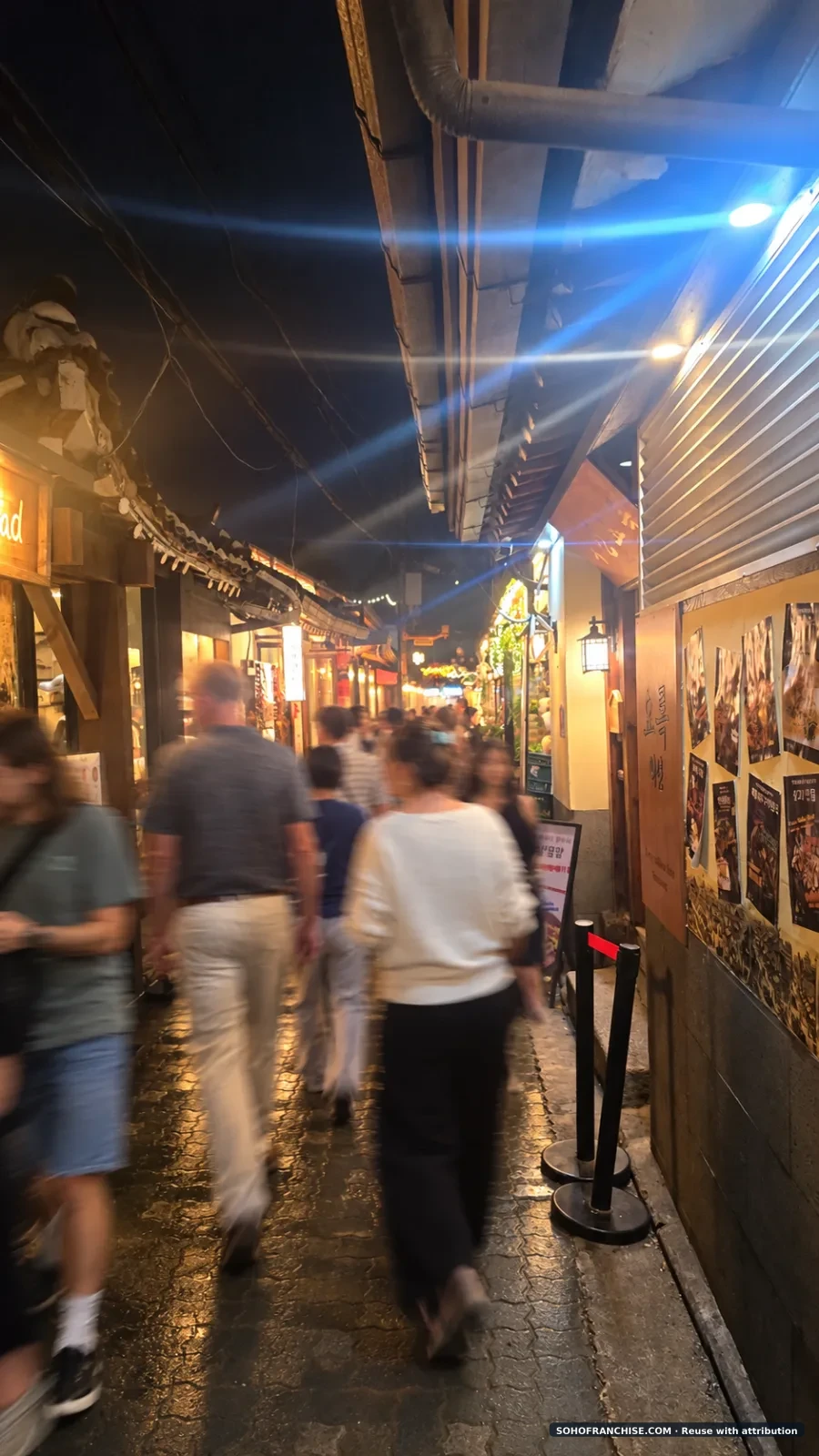
From lively outdoor dining to the historic hanok streets of Ikseon-dong, Seoul's traditional downtown is gaining global attention as a destination for food, culture, and independent hospitality businesses.

SEOUL, SOUTH KOREA — October 17, 2026
Seoul's Jongno 3-ga has been named the world's coolest neighbourhood for 2026 by Time Out, the international travel and culture publication, ahead of 39 other neighbourhoods around the world.
Announced in September 2026, the ranking highlights the district's combination of traditional Korean architecture, vibrant outdoor dining, independent restaurants, creative businesses, and distinctive local culture.
Jongno 3-ga previously ranked third in Time Out's 2021 survey. Its rise to first place reflects renewed international interest in one of Seoul's oldest commercial and entertainment districts.
Jongno 3-ga: The Return of Outdoor Dining
One of the neighbourhood's most distinctive attractions is its outdoor dining culture, locally known as "yajang."
As evening approaches, the narrow streets around Jongno 3-ga transform into lively gathering places where diners enjoy Korean barbecue, seafood, traditional dishes, and drinks in a relaxed, open-air atmosphere.
Traditional Korean street-food establishments, known as "pocha" or "pojangmacha," remain an important part of this experience.
What makes the neighbourhood particularly appealing is its ability to attract different generations. Long-established restaurants and casual drinking establishments now share the area with younger visitors, international tourists, and customers seeking authentic local experiences.
Unlike conventional restaurant districts dominated by large commercial developments, Jongno 3-ga retains a strong sense of local identity.
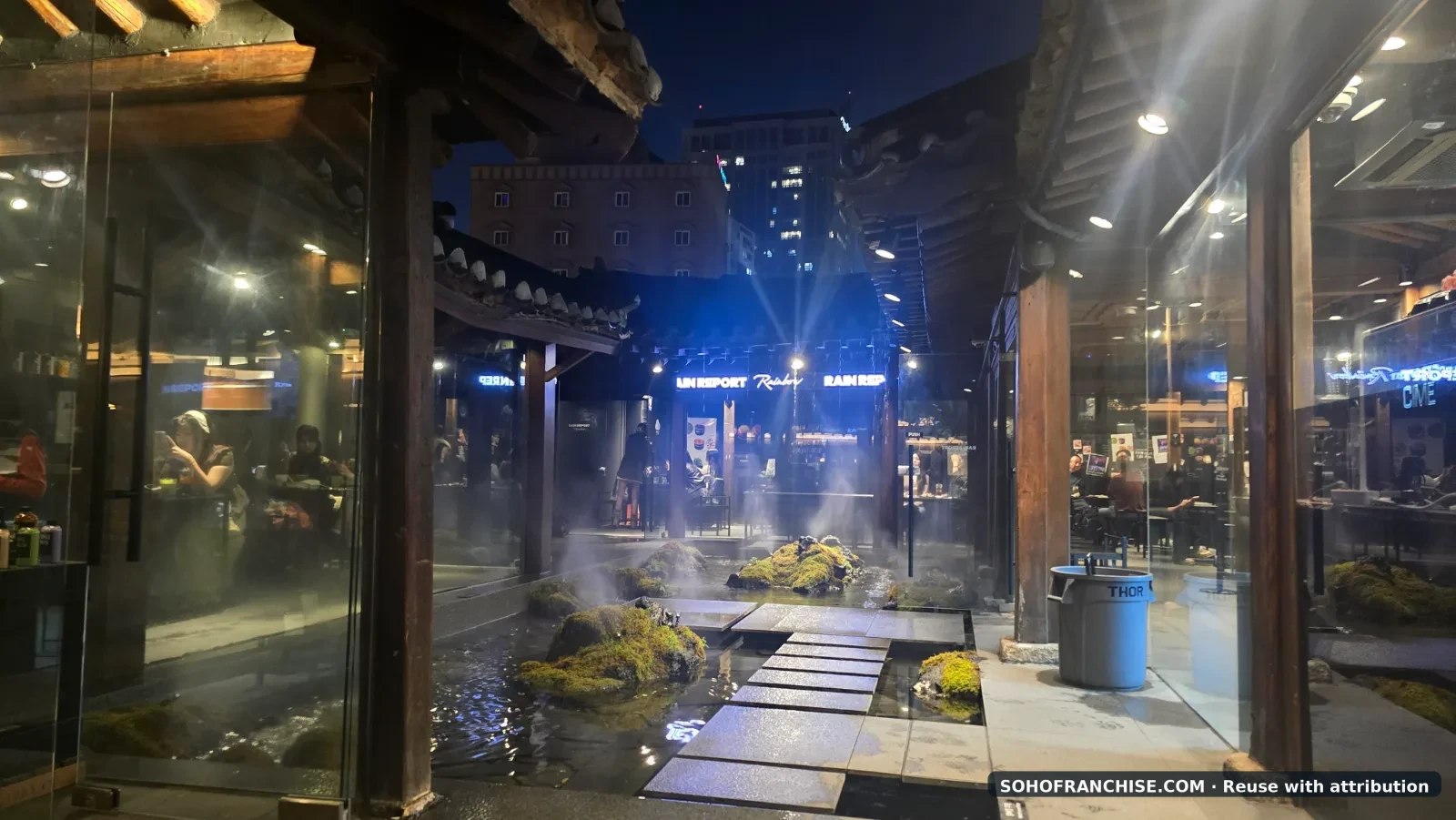
Ikseon-dong: Traditional Hanok Meets Modern Hospitality
Just a short walk from the outdoor dining streets is Ikseon-dong, one of Seoul's most distinctive historic neighbourhoods.
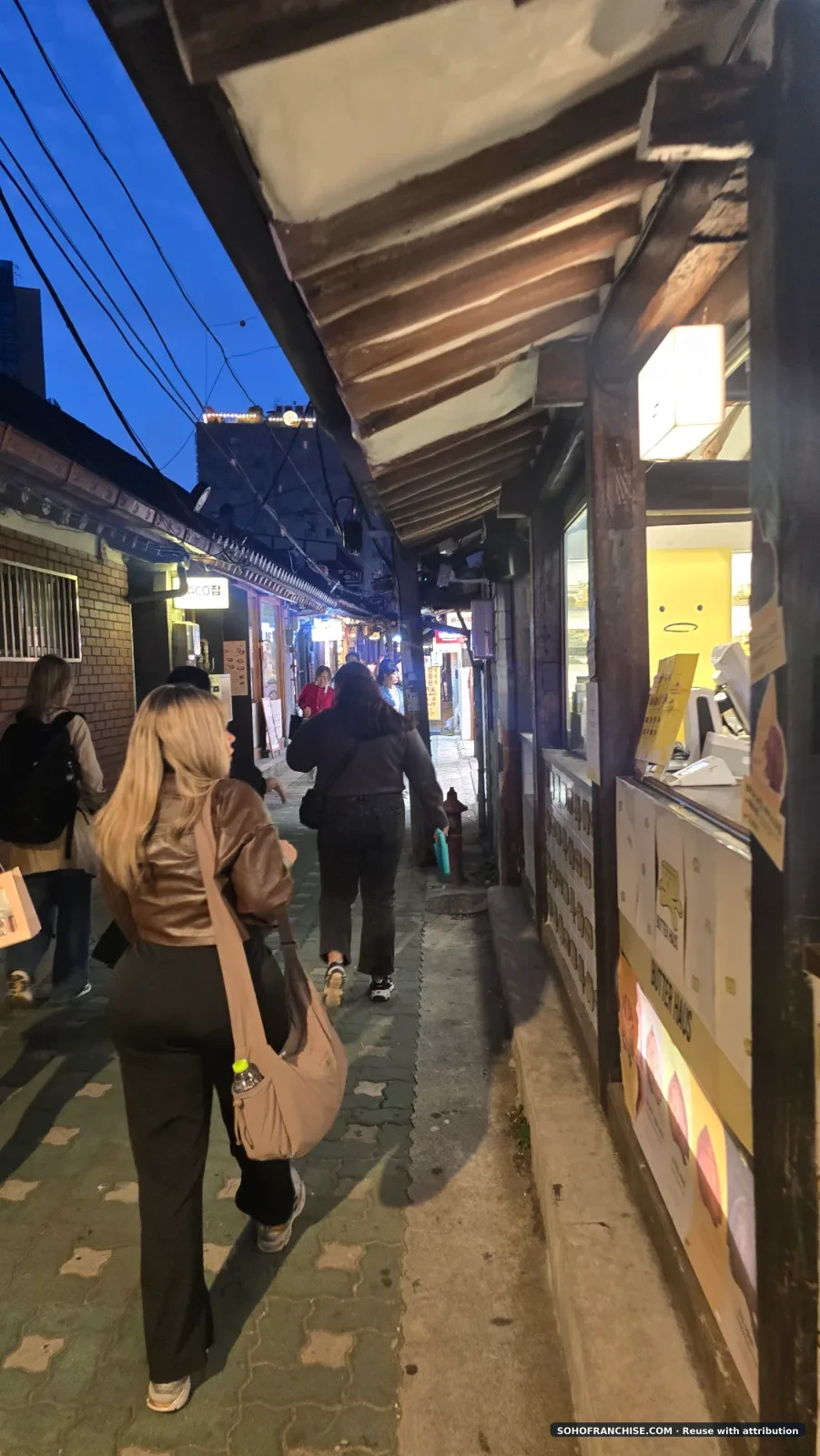
The district is known for its narrow pedestrian alleys and traditional Korean houses, called hanok, many of which have been adapted into cafés, restaurants, bakeries, boutiques, and lifestyle businesses.
Rather than replacing the historic architecture with modern commercial buildings, many operators have preserved the original structures while introducing contemporary interiors, menus, and customer experiences.
The result is a striking combination of Korean tradition and modern hospitality.
Visitors can explore a traditional wooden courtyard, enjoy specialty coffee in a renovated hanok, or discover independent food concepts hidden behind historic walls.
Ikseon-dong demonstrates how architectural preservation and entrepreneurial creativity can coexist in a highly competitive urban hospitality market.
A Lesson for the Restaurant and Franchise Industry
For the global restaurant and franchise industry, Jongno 3-ga offers an interesting case study in place-based hospitality development.
The area's international recognition has not been driven by one dominant restaurant chain or a single landmark development.
Instead, its appeal comes from the collective character of hundreds of small establishments, independent operators, traditional businesses, and evolving hospitality concepts.
Three factors are particularly relevant to restaurant entrepreneurs:
Authenticity: Traditional architecture, local food, and established neighbourhood culture create experiences that are difficult to replicate.
Experience-led dining: Outdoor seating, pedestrian-friendly alleys, and distinctive interiors encourage customers to spend time exploring the area.
Independent business ecosystems: Small restaurants, cafés, retail outlets, and creative businesses contribute to the destination's overall appeal.
For international hospitality operators, the neighbourhood illustrates the value of combining local heritage with contemporary foodservice innovation.
At the same time, increasing popularity brings challenges involving rent, overcrowding, neighbourhood preservation, and the long-term sustainability of independent businesses.
Beyond Restaurants: A Cultural Destination
Jongno 3-ga's appeal extends beyond dining.
Nearby destinations include the traditional streets of Ikseon-dong, the historic Jongmyo Shrine area, Seosulla-gil's craft shops and cafés, and the Nagwon Musical Instrument Arcade.
Together, these locations form a compact urban destination where history, food, retail, and entertainment intersect.
The area is easily accessible through Jongno 3-ga Station, served by Seoul Subway Lines 1, 3, and 5.
For international visitors, an evening walk through Ikseon-dong followed by dinner at a Jongno 3-ga outdoor restaurant offers an accessible introduction to Seoul's evolving dining culture.
A Global Spotlight on Local Hospitality
Time Out's recognition places Jongno 3-ga ahead of L'Ocean in Rabat, Morocco, and Neos Kosmos in Athens, Greece, which ranked second and third respectively.
The result highlights a broader trend in urban tourism: travellers increasingly value neighbourhood character, distinctive dining experiences, and independently operated businesses alongside traditional attractions.
For SOHOFRANCHISE.com, Jongno 3-ga represents more than a successful tourism destination. It demonstrates how traditional neighbourhoods and small hospitality entrepreneurs can collectively create an internationally recognised commercial identity.
Photography: SOHOFRANCHISE.com / Seoul, October 2026
Sources:
SOHOFRANCHISE.com — Global Franchise, Restaurant & Hospitality Insights