
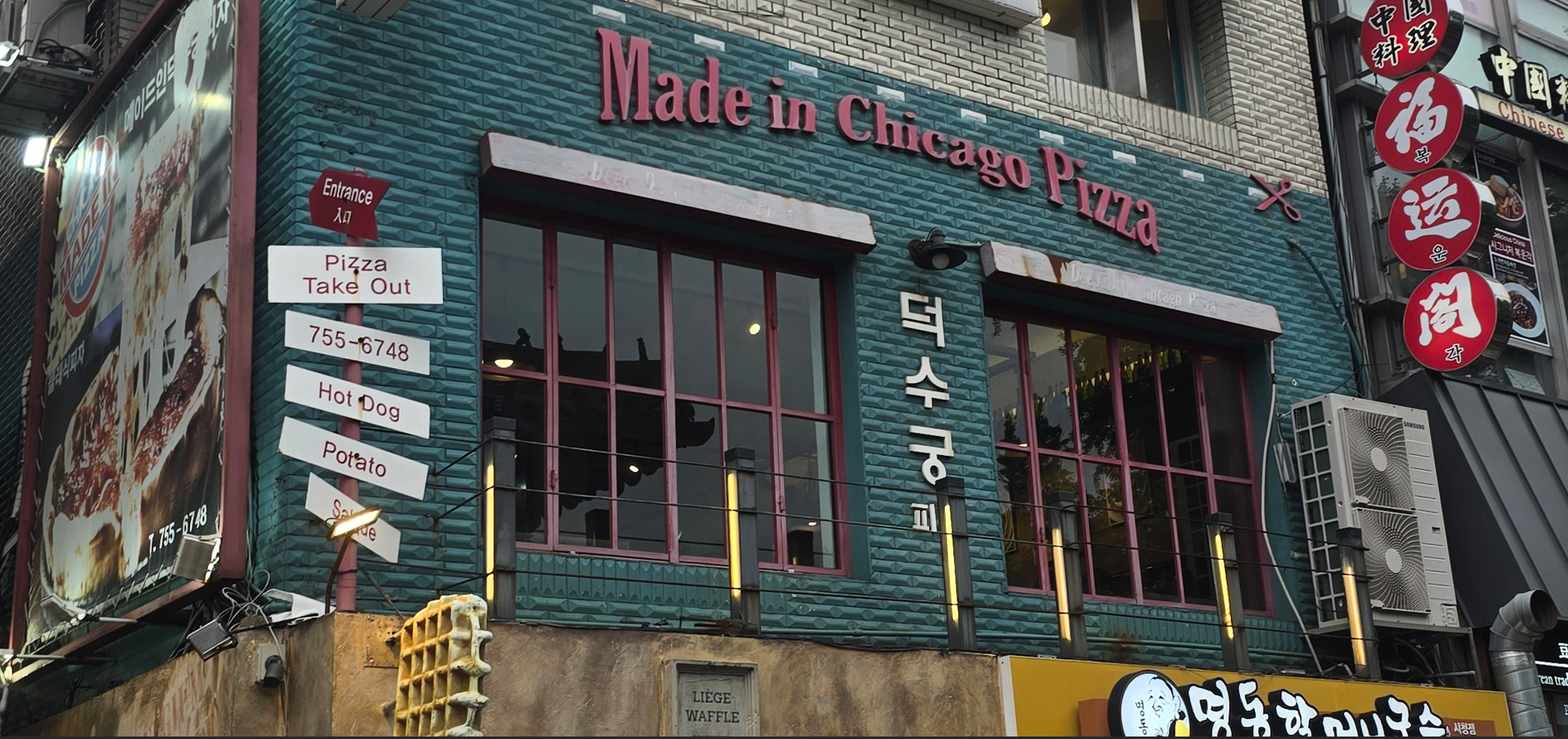
At first glance, Seoul’s historic districts may seem like an unlikely place to study the future of franchising.
Deoksugung Palace, Bukchon Hanok Village, Samcheong-dong and Seochon are best known for royal history, traditional architecture, galleries, cafés and narrow pedestrian streets.
But walk through these neighborhoods today and another trend becomes visible.
Between palace walls, cafés and century-old streets, a new generation of small-format, highly automated businesses is appearing.
Self-photo studios.
Unmanned retail stores.
Automated printing shops.
Self-service kiosks.
Compact experience-based businesses.
For international franchisors, particularly companies in the United States, Seoul is becoming an interesting real-world laboratory for one question:
How small, automated and experience-driven can a franchise become?
Why Seoul Matters to U.S. Franchise Companies
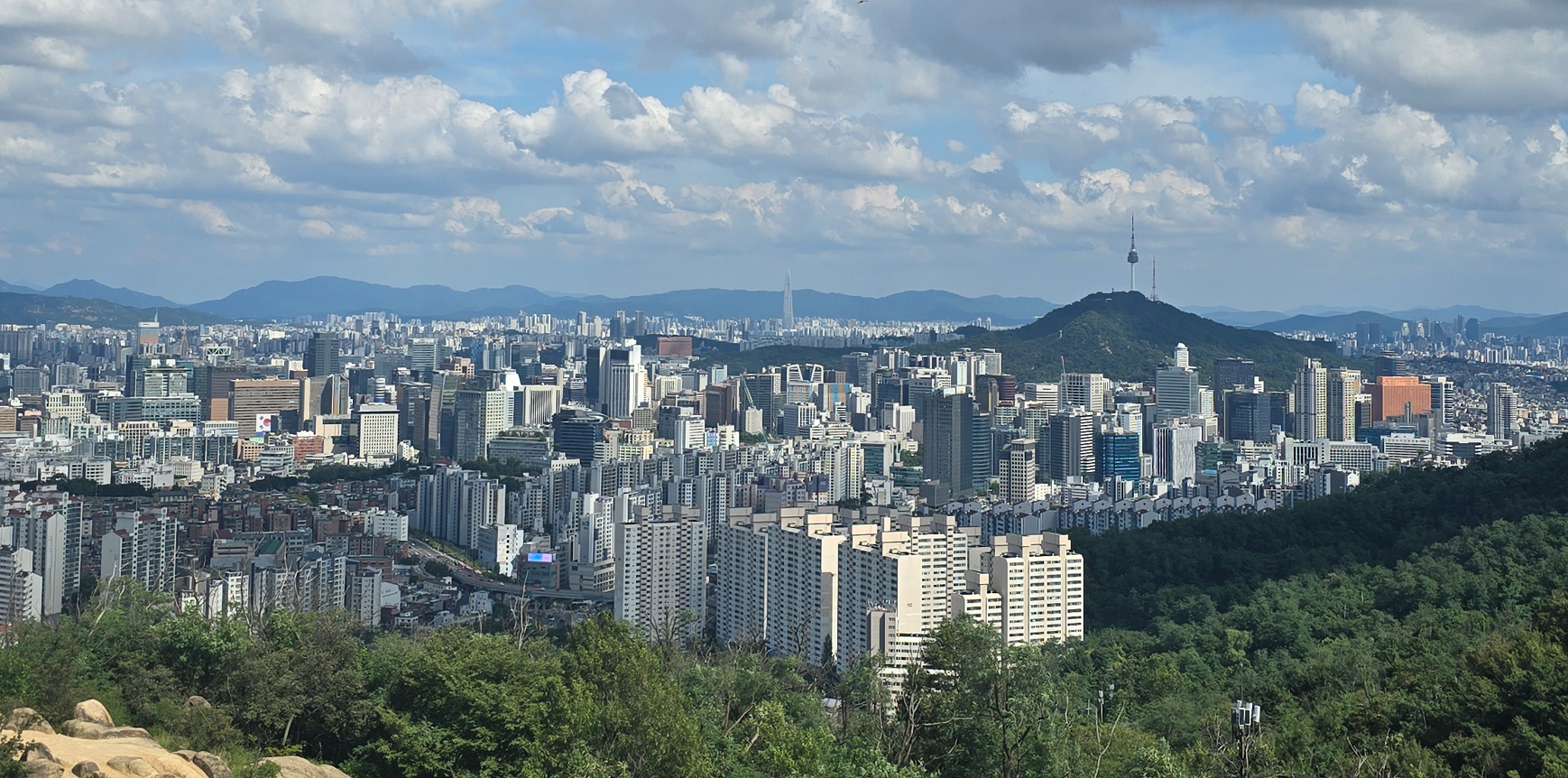
South Korea combines several conditions that make it particularly useful as a franchise test market.
Consumers are highly familiar with digital payments, kiosks and self-service technology. Urban commercial districts have high pedestrian density, while labor and rental costs create strong pressure to improve store productivity.
At the same time, Korean consumers are quick to adopt new retail formats.
This creates an environment where businesses can experiment with:
smaller stores, fewer employees, automated customer journeys and highly visual branding.
For a U.S. franchisor exploring Asia, this is important.
Korea should not only be viewed as another market where an existing American format can be replicated.
It can also be used as a place to observe, test and redesign the format itself.
Historic Seoul, Modern Retail
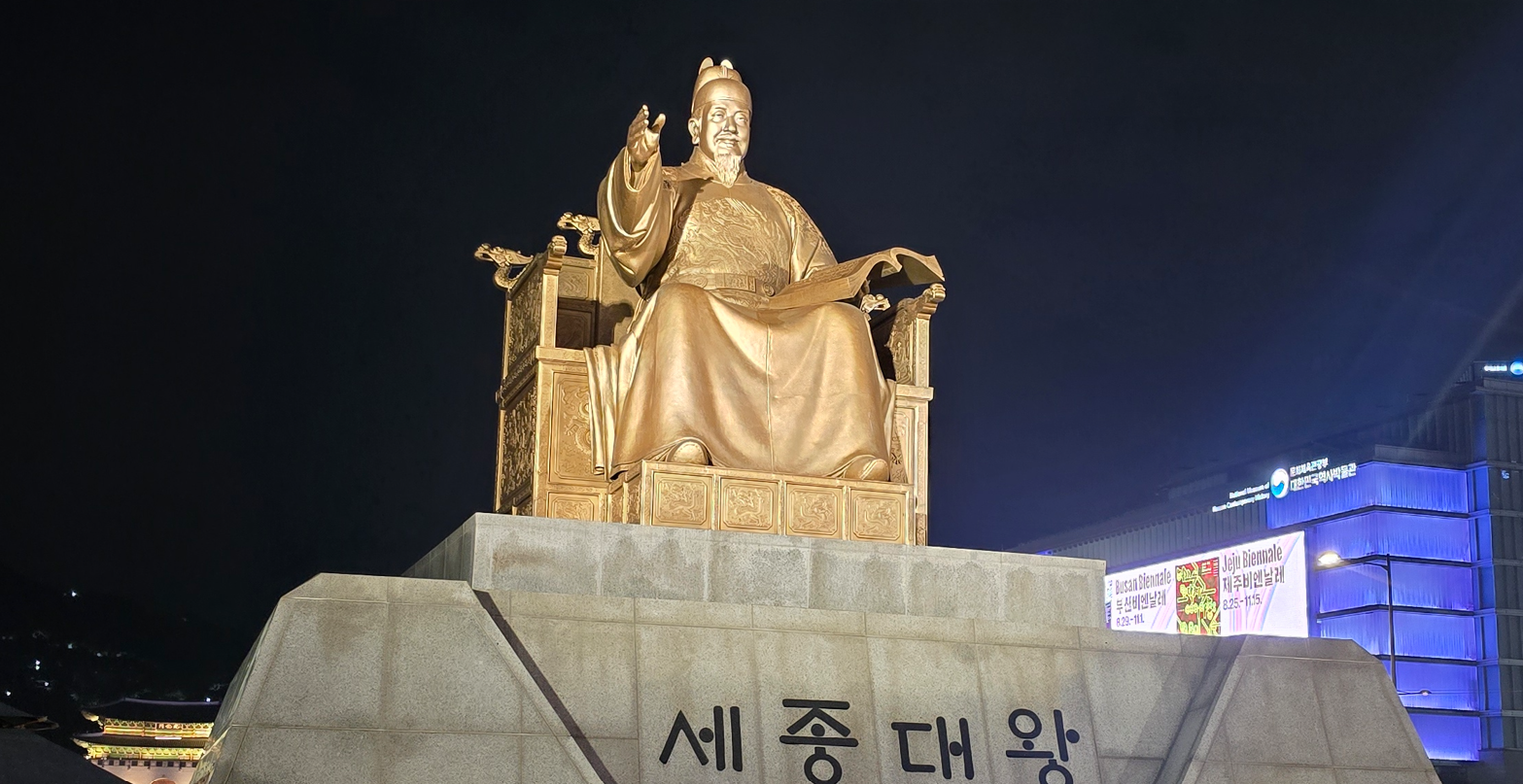
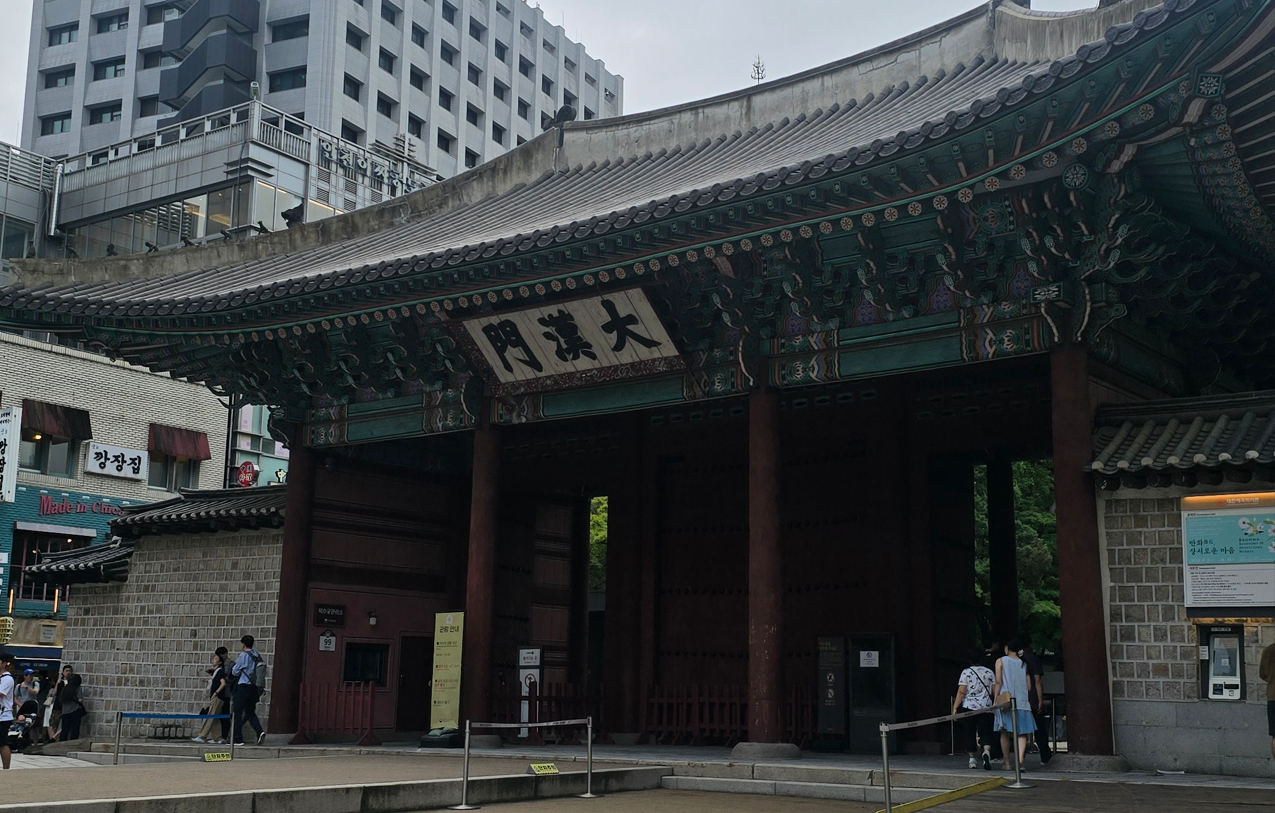
The contrast is particularly visible around Deoksugung.
Visitors may spend the afternoon walking through a royal palace and then step into a modern self-photo studio only minutes later.
In Bukchon and Samcheong-dong, traditional Korean houses coexist with contemporary cafés, fashion boutiques, galleries and self-service businesses.
Seochon shows a similar pattern.
Old neighborhood streets are increasingly filled with small, highly specialized businesses that do not require large floor areas or conventional staffing levels.
This mixture of history, tourism and digital retail creates a unique environment.
The customer is already there.
The challenge is to capture a small portion of that pedestrian traffic with an experience that is easy to understand and easy to purchase.

The Rise of the Self-Photo Studio
One of the clearest examples is Korea’s self-photo booth industry.
Brands such as PHOTO SIGNATURE, AUTOFOTO and other four-cut photo concepts have become part of everyday urban culture.
These stores are not simply selling printed photographs.
They are selling a short experience.
The customer enters, selects a frame, pays through a machine, takes photos, chooses the preferred images and receives the printed result within minutes.
Most of the customer journey can be completed without staff involvement.
From a franchise perspective, the model is attractive because it combines several valuable characteristics:
- Small retail footprint
- Relatively standardized equipment
- Digital payment
- Limited inventory
- Simple customer flow
- Strong social-media visibility
- Potential for extended operating hours
- Easy localization through frames, characters and themes
Perhaps most importantly, customers often become part of the marketing process themselves.
They take a photograph, share it on social media and indirectly promote both the location and the brand.
Unmanned Does Not Mean “No Management”
There is an important distinction.
An unmanned store is not the same as a business that requires no human involvement.
Machines require maintenance.
Stores require cleaning.
Consumables must be replenished.
Technical failures must be handled.
Customer complaints still exist.
The economic advantage comes from a different operating structure.
Instead of assigning one employee to one location for an entire day, a single operator may be able to supervise several locations.
That changes the franchise equation.
The question becomes less about eliminating labor and more about increasing the number of revenue-generating locations that one operating team can manage.
The Micro-Store Opportunity
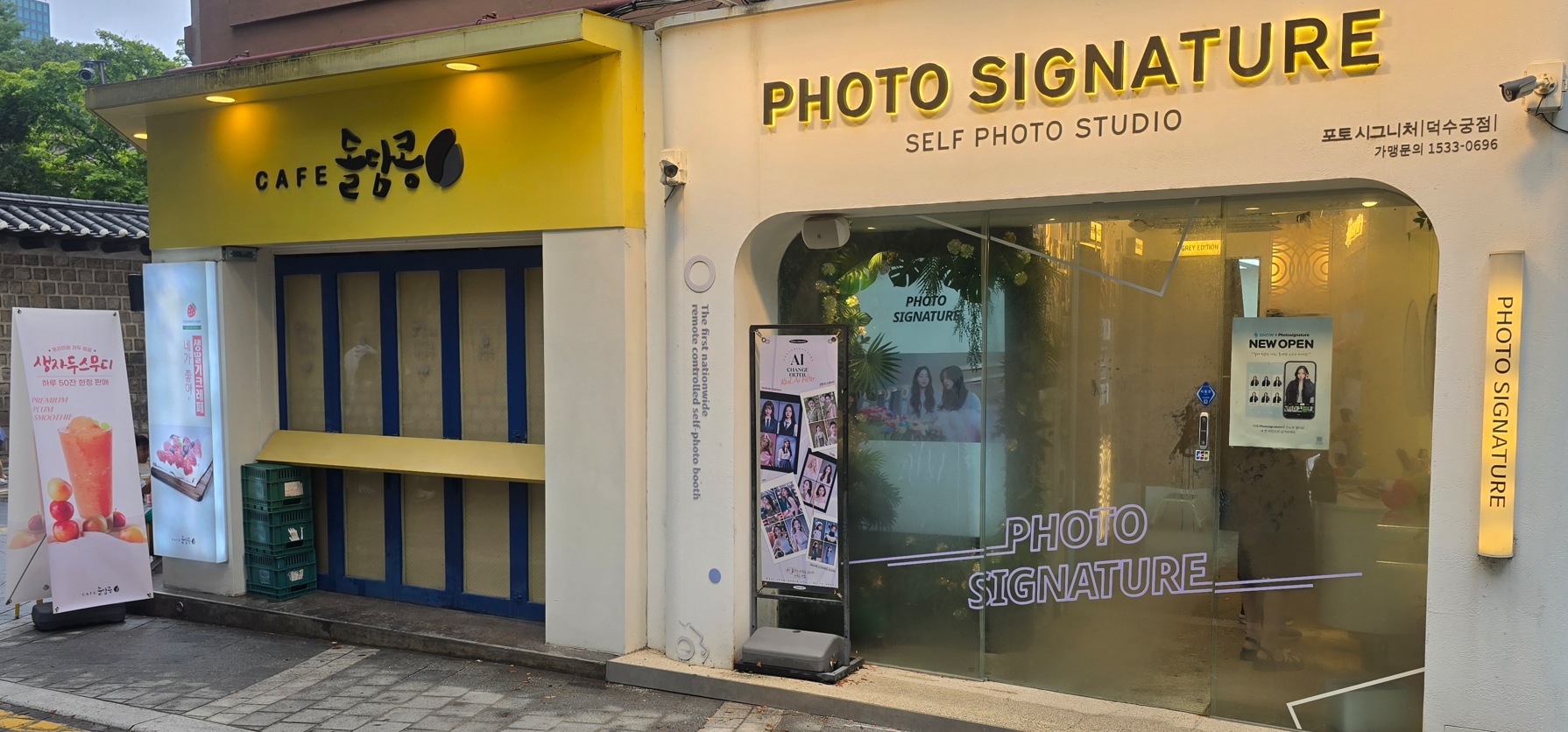
Many U.S. franchise concepts were designed around relatively large commercial units.
Restaurants, fitness facilities, service businesses and traditional retail stores often require substantial floor space.
Seoul’s dense urban districts suggest another direction.
A franchise may not always need a full store.
It could potentially operate from:
- A small street-front unit
- Part of an existing building
- A hotel lobby
- A transportation hub
- A tourist district
- A shopping center corridor
- A university neighborhood
- A residential-commercial mixed area
Automation makes previously uneconomic spaces potentially usable.
This may become particularly relevant as commercial rents increase and franchisees become more cautious about large initial investments.
The future franchise unit may sometimes be measured not in thousands of square feet, but in a few hundred.
Experience May Be More Important Than Product
Another lesson from Seoul is that successful automated retail is not necessarily about selling basic commodities.
Many of the most visible concepts are selling small experiences.
A printed photo.
A customized accessory.
An immediately produced souvenir.
A quick self-service activity.
The transaction may only last five or ten minutes, but that can be enough.
The customer receives something physical, personal and shareable.
For franchise brands, this suggests that the strongest unmanned concepts may combine:
Automation + Experience + Location + Brand Identity
Automation alone is not a competitive advantage.
A vending machine can also operate without employees.
What matters is whether customers have a reason to stop, participate and share the experience.
Tourism Creates Additional Possibilities
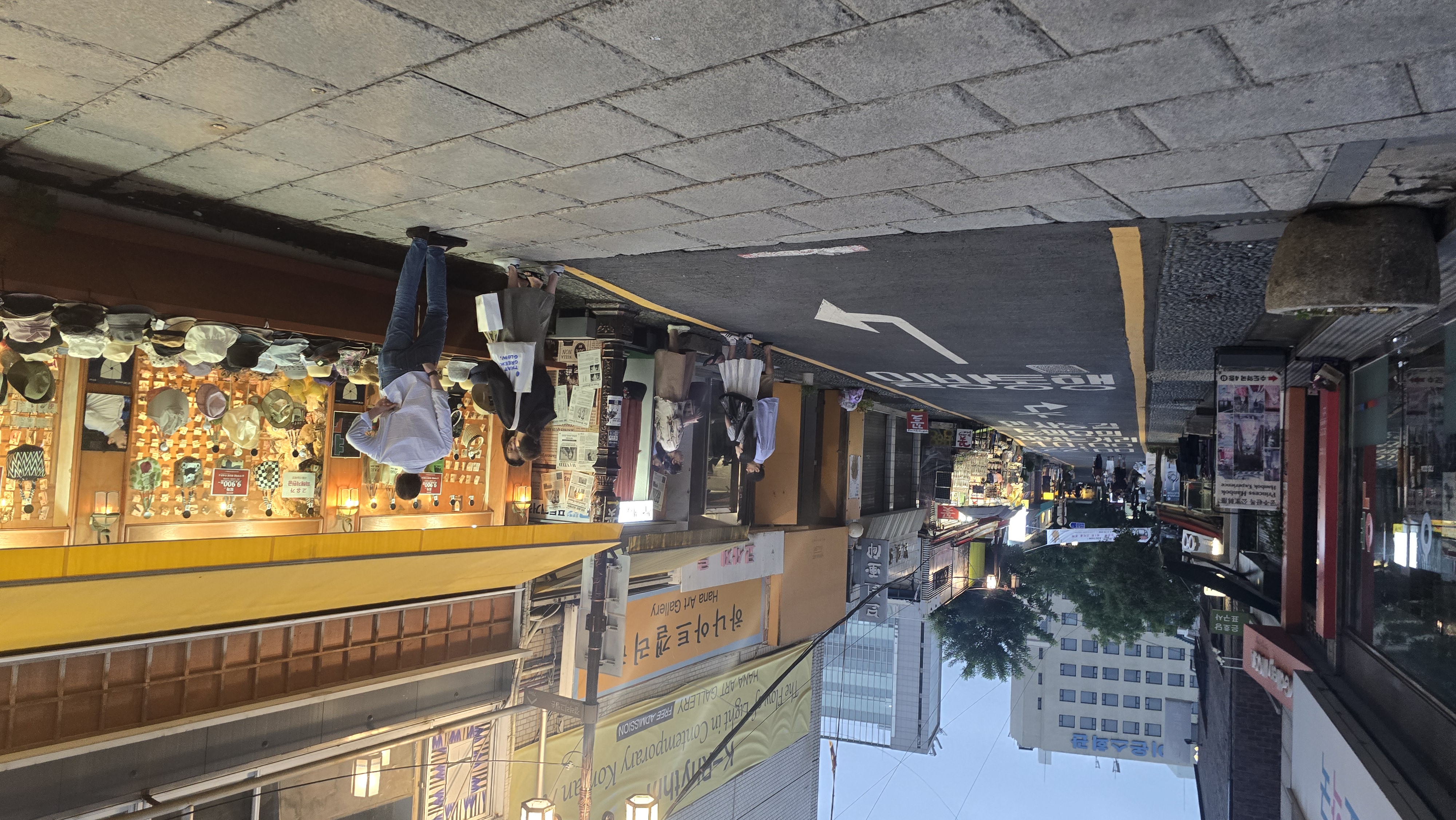
Seoul’s historic districts also show how automated businesses can benefit from tourism.
International tourists walking through Deoksugung, Bukchon or Seochon are already looking for memories, photographs and small souvenirs.
That creates opportunities beyond traditional self-photo studios.
Future automated concepts could include:
- AI-generated travel portraits
- Personalized Korean souvenirs
- Custom photo merchandise
- On-demand printing
- K-pop and character products
- Automated gift production
- Personalized phone accessories
- Digital-to-physical memory products
A visitor could take a photograph near a palace, walk into a small automated store, personalize an item and leave with a finished souvenir within minutes.
This type of business is particularly suitable for high-traffic tourism districts where labor-intensive retail can be expensive.
A Potential Gateway for U.S. Franchisors
For U.S. franchise companies considering the Korean market, the opportunity may work in both directions.
American brands can introduce proven concepts into Korea.
But they can also study Korean operating models and adapt some of those ideas for markets back home.
For example:
Could a conventional American franchise develop a micro-format version?
Could one franchisee operate several partially automated locations?
Could a large store concept create a small satellite unit?
Could personalization or AI create new revenue from existing customer traffic?
Could tourist destinations support unmanned franchise formats that operate late into the night?
These are questions Seoul is already beginning to answer in practice.
SOHOFRANCHISE View
Deoksugung, Samcheong-dong, Bukchon and Seochon are more than attractive tourist districts.
They are becoming a visible demonstration of how traditional urban spaces and automated commerce can coexist.
The important lesson for U.S. franchisors is not simply that Korea has many unmanned stores.
It is that automation is allowing entrepreneurs to rethink the basic unit of franchising.
The next-generation franchise may require:
Less space.
Less inventory.
Fewer on-site employees.
More automation.
Stronger design.
And a better customer experience.
For American franchise companies looking toward Asia — or simply looking for ideas about where franchising itself may be heading — Seoul deserves attention.
Sometimes the future of retail does not appear in a massive shopping center.
It appears in a tiny storefront on a centuries-old street.
Recommended Flags: ⭐ Featured / 📍 Field Intelligence
Translation Key:
seoul-unmanned-franchise-testbed-deoksugung-bukchon-seochon
Meta Title:
Seoul Is Becoming a Testbed for the Next Generation of Unmanned Franchises
Meta Description:
A field look at Deoksugung, Bukchon, Samcheong-dong and Seochon, where automated retail and small-format unmanned businesses offer new ideas for U.S. franchisors exploring Korea and Asia.