SOHOFRANCHISE INDUSTRY

Food & Beverage

Restaurants, cafés, bakery, dessert and beverage concepts.

Food & Beverage

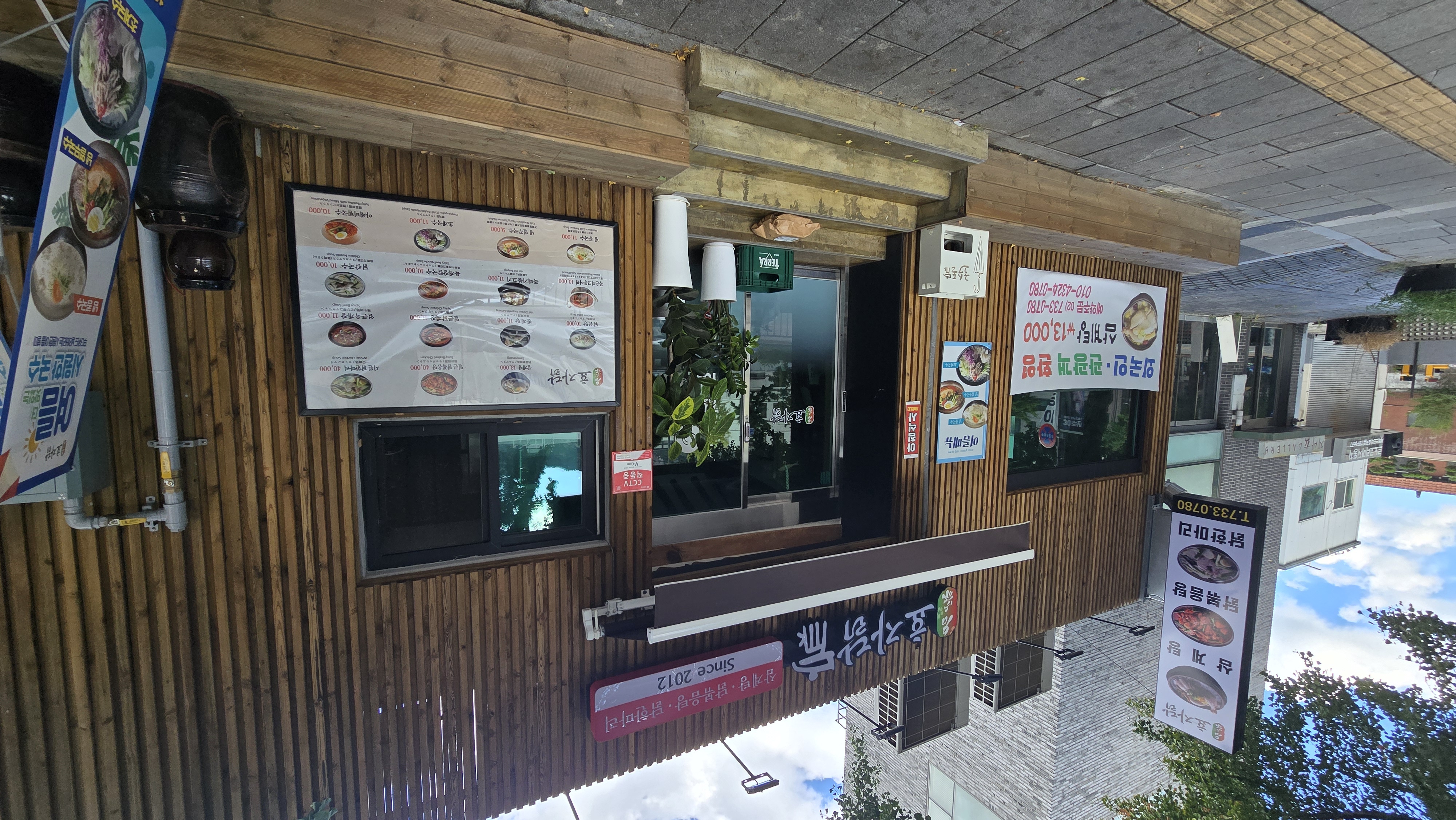
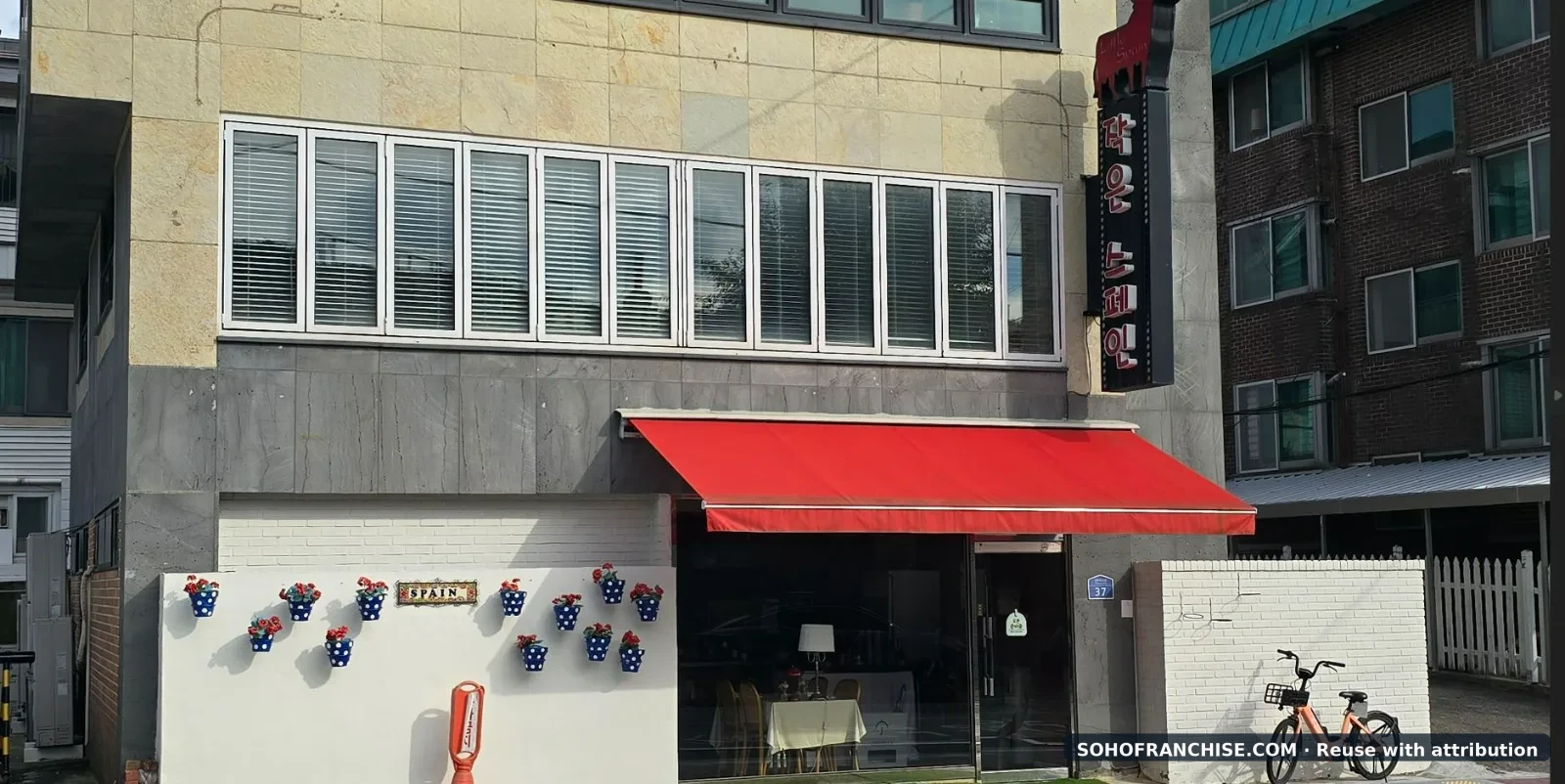
From Paella to Cava: Can Spanish Restaurants Become a Scalable Dining Business in Korea?

Spanish cuisine has moved from a niche foreign-food concept to an established part of Seoul’s dining scene, while Busan offers a smaller but tourism-driven opportunity around Haeundae and other waterfront districts. SOHOFRANCHISE looks at Spain Club’s evolution since 2009, the dishes Korean customers repeatedly order, and why Cava and Rioja could become important parts of the business model.
FIELD REPORT

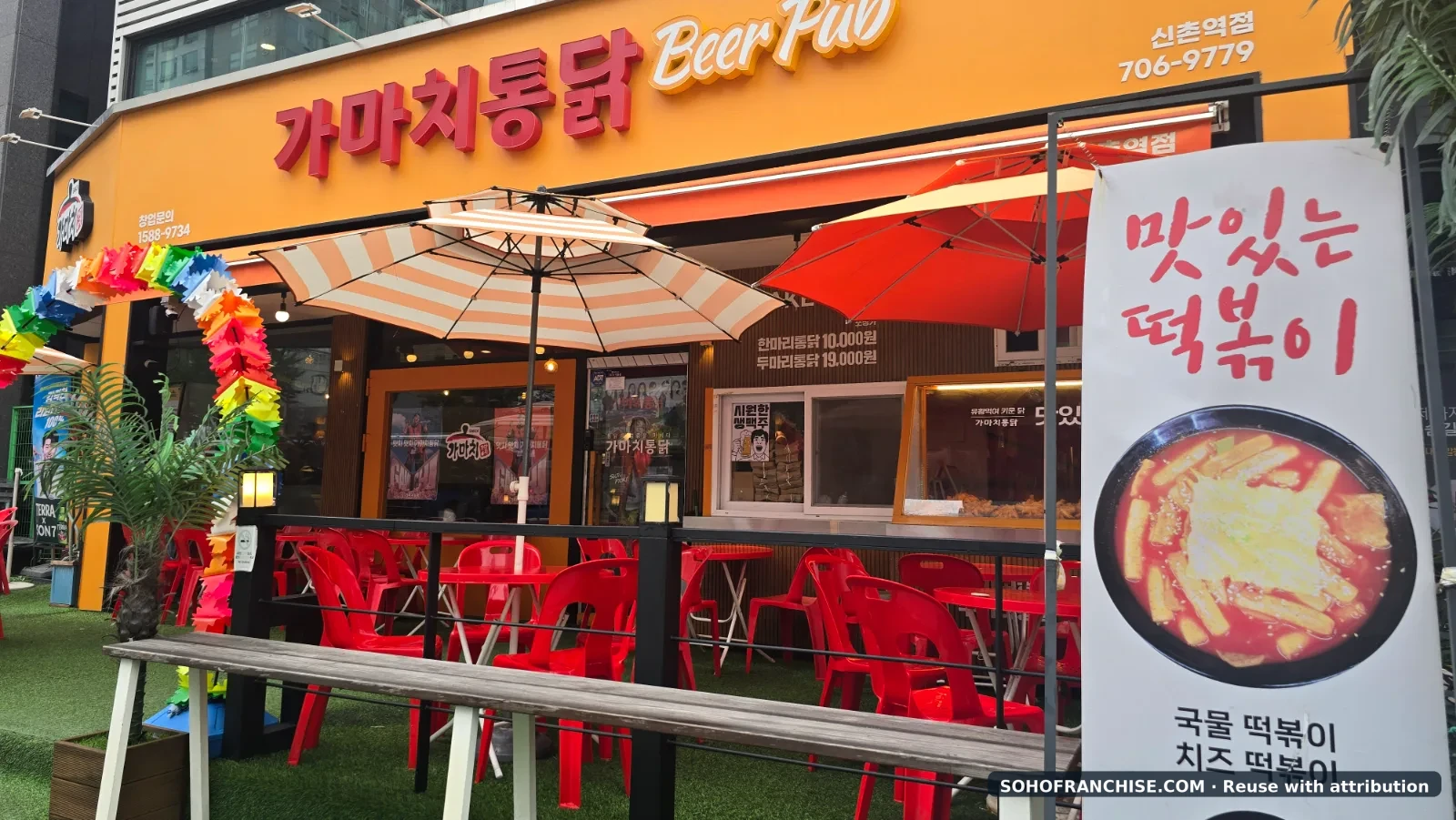
Is Korea’s Chicken Franchise Still a Good Retirement Business for Baby Boomers?

Chicken has long been one of Korea’s most familiar post-retirement businesses. But with nearly 29,000 franchise outlets, rising operating costs and a 12% annual closure rate, opening a chicken restaurant can no longer be considered an easy or low-risk retirement strategy. SOHOFRANCHISE examines whether smaller, owner-operated neighborhood concepts could still work for Korea’s aging baby-boom generation.

Food & Beverage

Pizza Is Already Franchised. Can Authentic Italian Restaurants Be Next in Korea?

Korea has one of Asia’s most mature pizza franchise markets, with hundreds of Domino’s, Pizza Hut and Papa Johns outlets. Authentic Italian restaurants, however, remain far more fragmented and chef-dependent. With Korea attracting a record 18.9 million foreign visitors in 2025 and Eataly expanding to a fourth Korean location in Gangnam in August 2026, could premium Italian dining become Korea’s next scalable restaurant franchise category?

FIELD REPORT

South Korea’s Burger Market Is No Longer Just a Fast-Food Business

South Korea has become one of Asia’s most competitive burger markets. McDonald’s leads in sales, while Mom’s Touch and Lotteria dominate the country by store count. But behind the brand rankings lies a very different franchise structure: some chains are almost entirely franchised, while others remain predominantly company-owned. SOHOFRANCHISE examines market size, store networks, franchise ratios, sales and startup costs.

FIELD REPORT

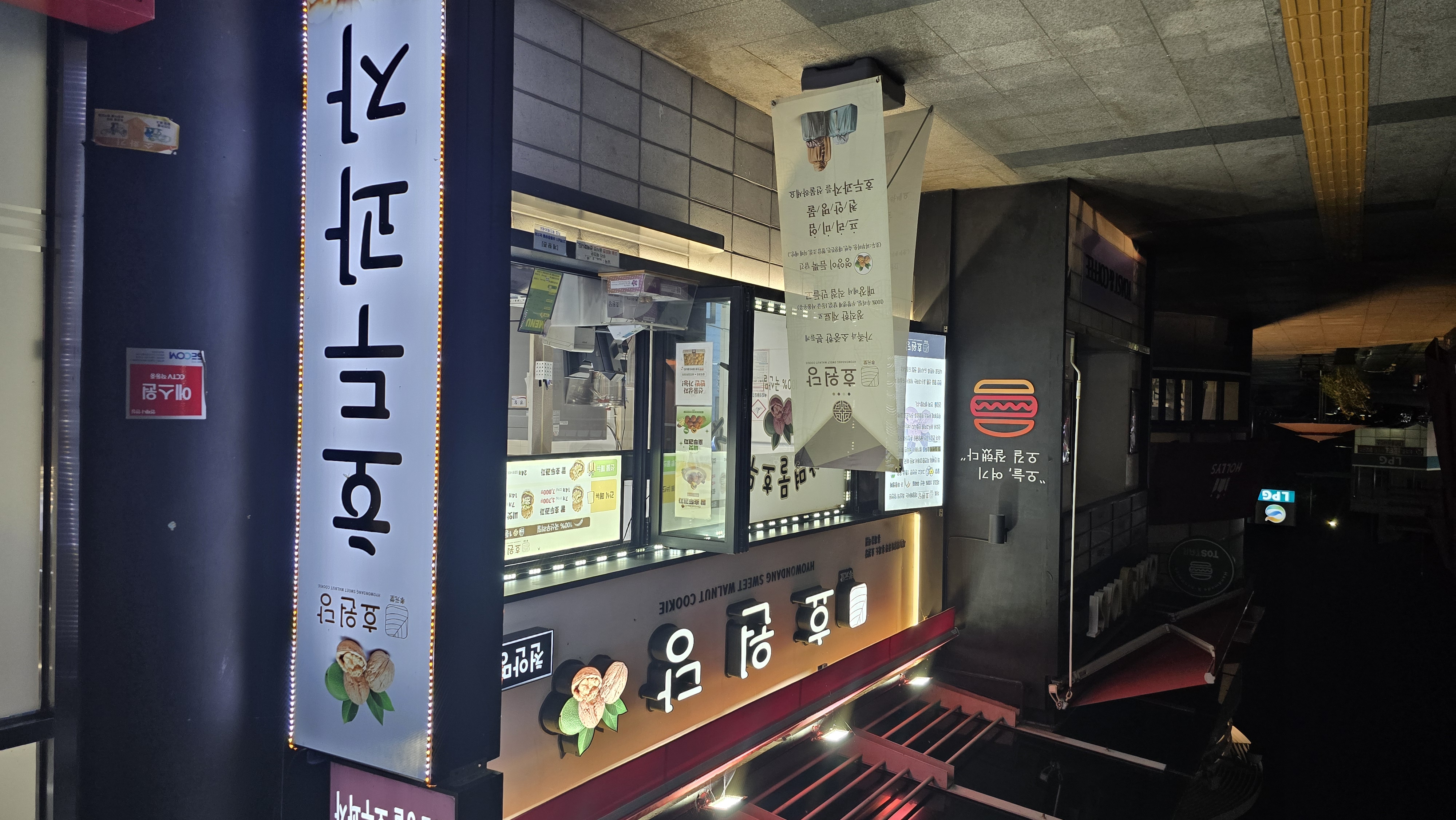
Hodu-gwaja: Korea’s Nationwide Roadside Walnut Pastry Network

Born in Cheonan in the 1930s, hodu-gwaja grew from a regional walnut pastry into one of Korea’s most recognizable travel foods, supported by highway service areas, roadside stores and a distributed network of local manufacturers.

Food & Beverage

Korea’s Restaurant Franchise Market Meets a Massive Retirement Wave

South Korea’s restaurant franchise industry is expanding just as 9.54 million second-generation baby boomers begin entering retirement. This demographic shift could create a major new market for franchise ownership, particularly for smaller, lower-labor and easier-to-operate food businesses.

FIELD REPORT

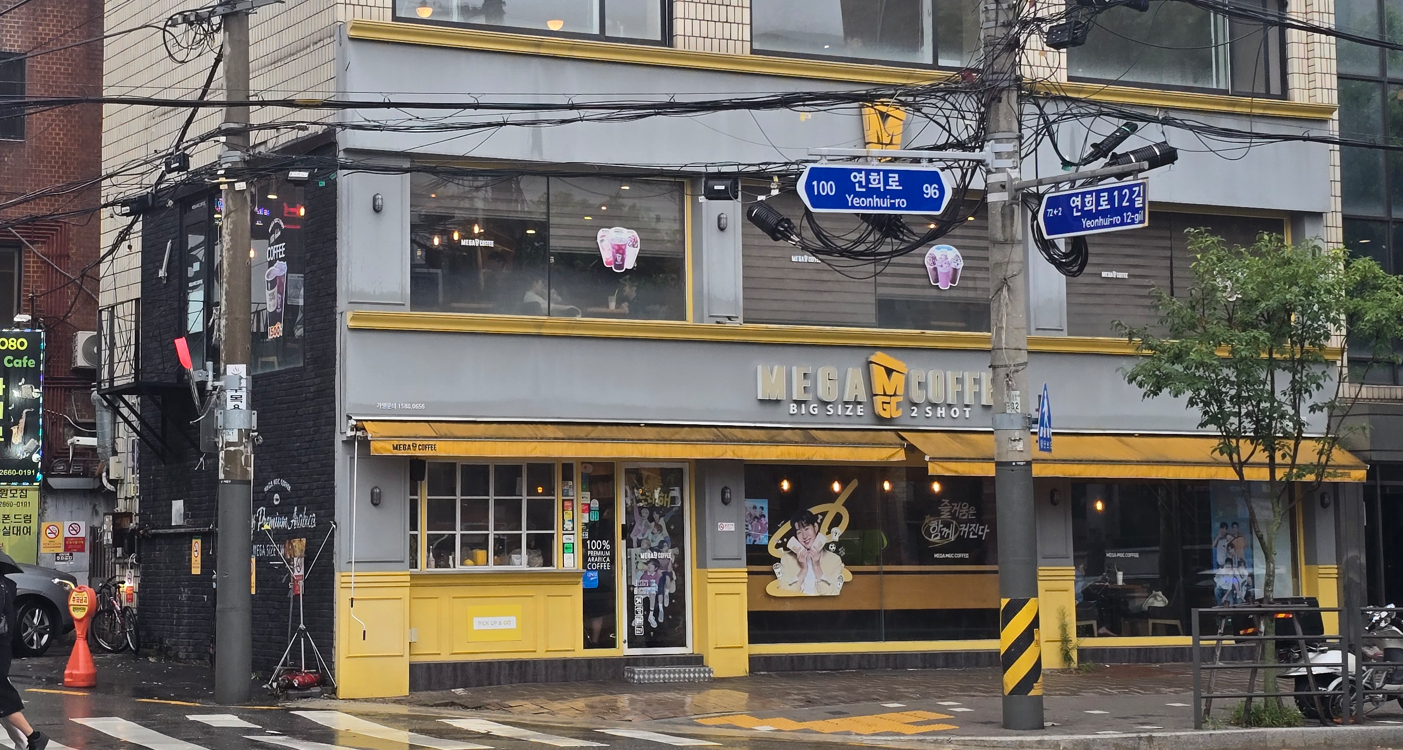
Korea’s Coffee Market Is Splitting in Two: Franchise Scale vs. Independent Café Identity

South Korea’s coffee market is entering a new phase. Low-price franchise brands such as MEGA MGC Coffee, Compose Coffee and Paik’s Coffee continue to expand through scale, convenience and aggressive pricing, while independent cafés increasingly compete through specialty coffee, design, neighborhood identity and destination appeal. As Korea’s café market approaches saturation, the next competition will be less about opening more stores and more about creating a clear reason for customers to choose one café over another.

Food & Beverage

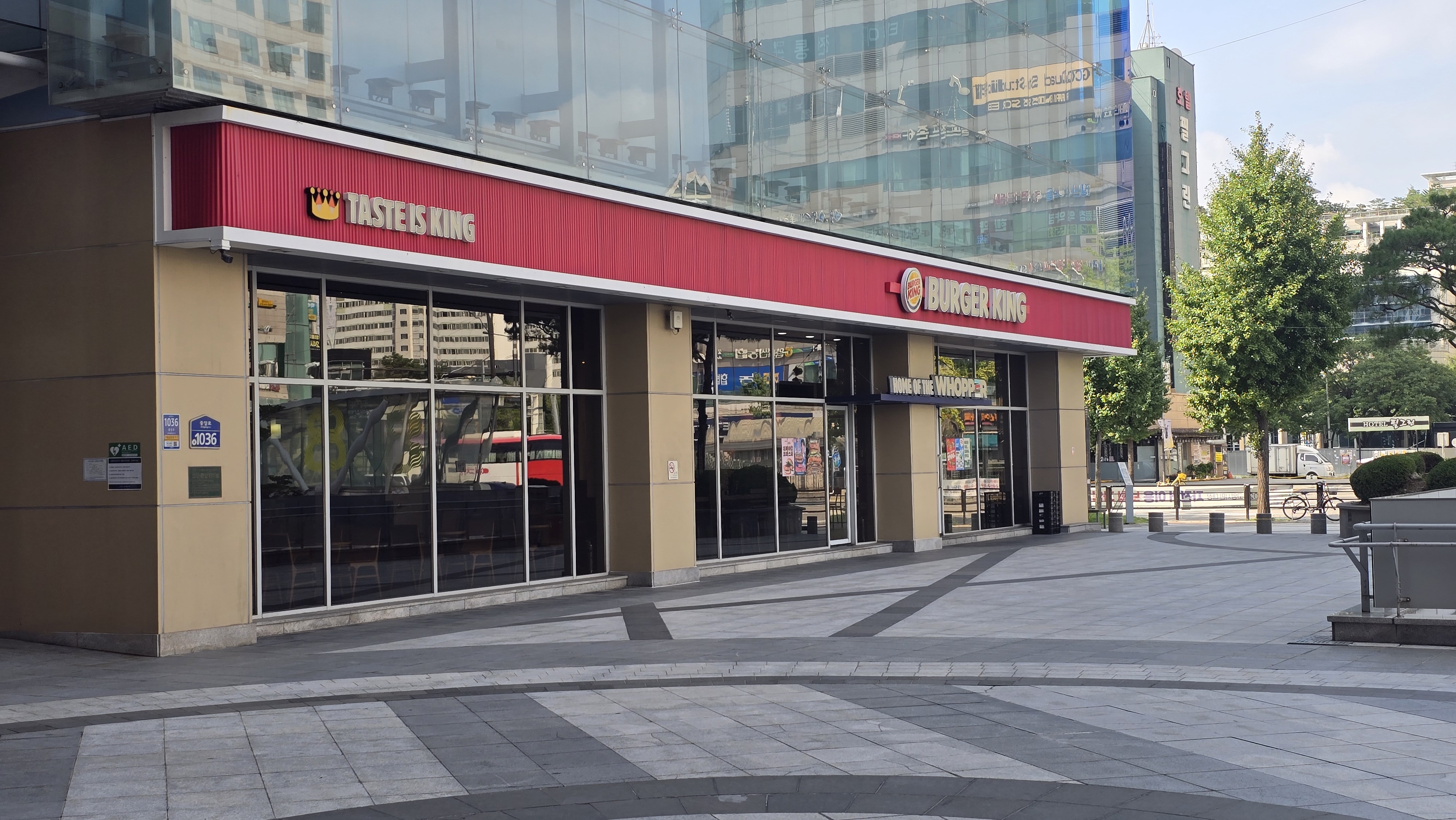
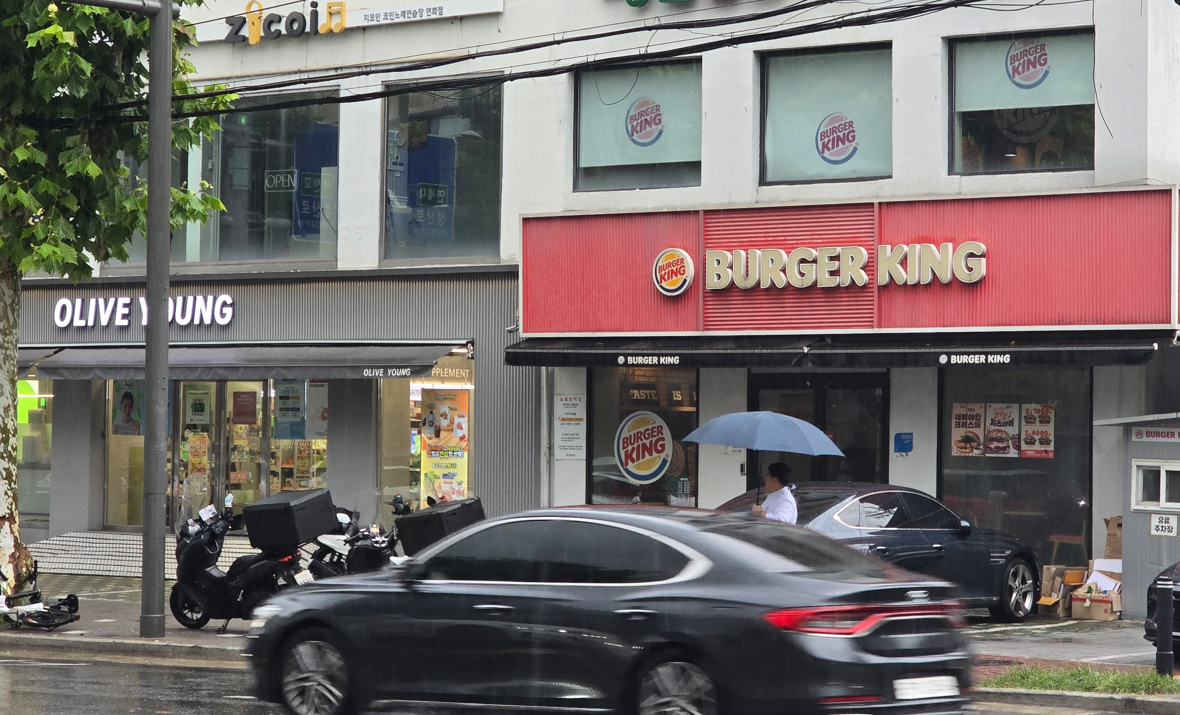
Seoul and Busan at 3× Tourist Volume: Why Olive Young and Burger King Could Become Urban Tourism Infrastructure

Foreign tourism is rapidly becoming a structural part of the retail and food-service economy in Seoul and Busan. Seoul welcomed 8.23 million international visitors in the first half of 2026, while Busan recorded nearly 1.94 million through May. If foreign tourist traffic were to more than triple by 2030, chains positioned along major tourism corridors could experience a fundamental shift in customer mix. Olive Young already demonstrates the impact through K-beauty shopping, while global QSR brands such as Burger King could benefit from the parallel growth of everyday tourist dining.

FIELD REPORT

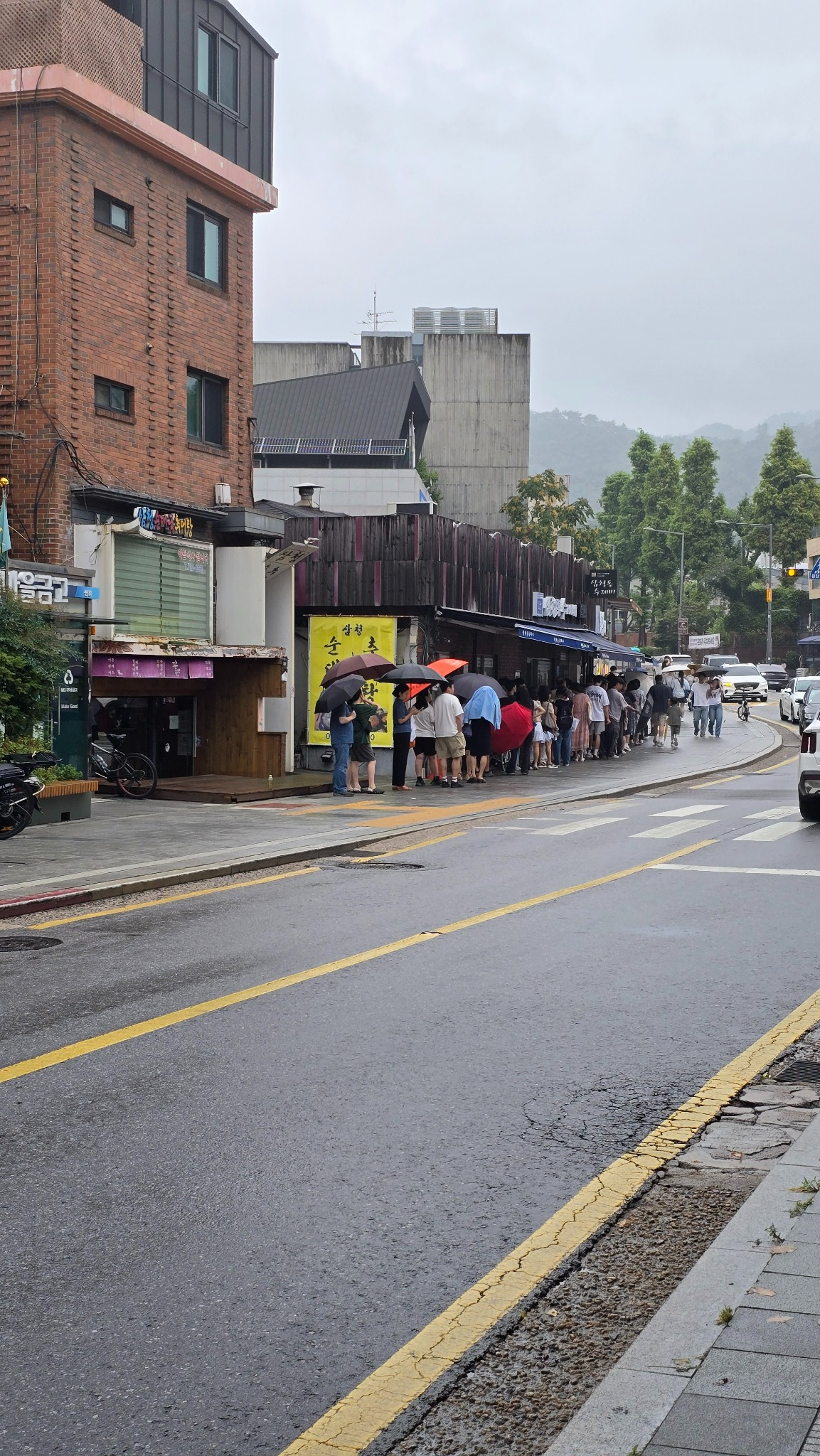
Why Customers Still Line Up in the Rain

A rainy queue in Samcheong-dong is a reminder that visible demand, scarcity and location can be more powerful than advertising.