SOHOFRANCHISE

Field Intelligence

Business models observed and photographed on the street.

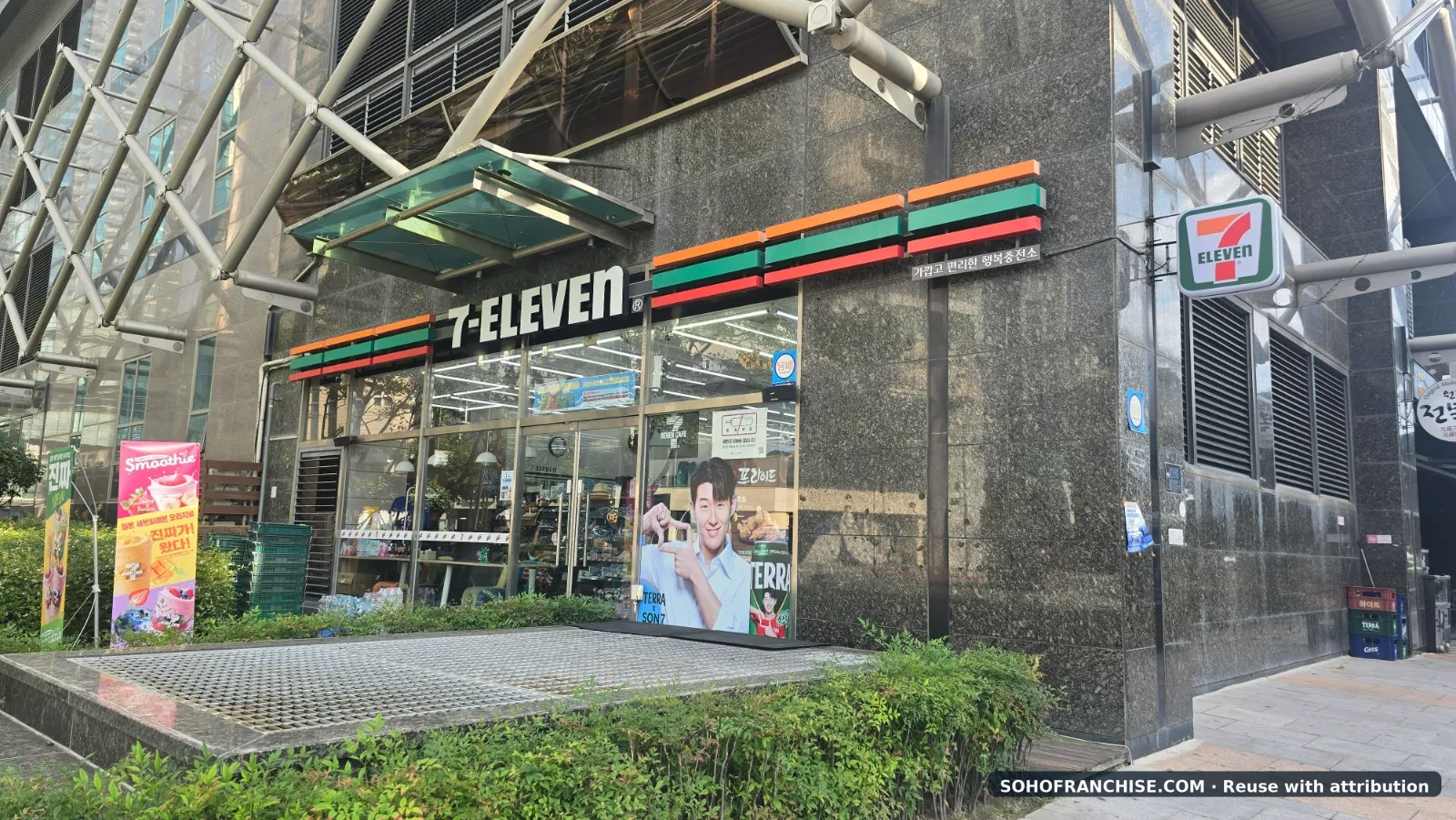
Korea’s Grocery Retail Map: Convenience Stores, Supermarkets and the Franchise vs. Independent Store Opportunity
FIELD REPORT

Korea’s Grocery Retail Map: Convenience Stores, Supermarkets and the Franchise vs. Independent Store Opportunity

South Korea has one of the world’s densest convenience-store networks, but the market is changing. More than 53,000 major-chain convenience stores compete with corporate supermarkets, independent neighborhood markets and traditional “mom-and-pop” grocery stores. SOHOFRANCHISE examines the national retail landscape and asks a practical question for entrepreneurs: is it safer to open a branded franchise, or can an independent supermarket still compete?
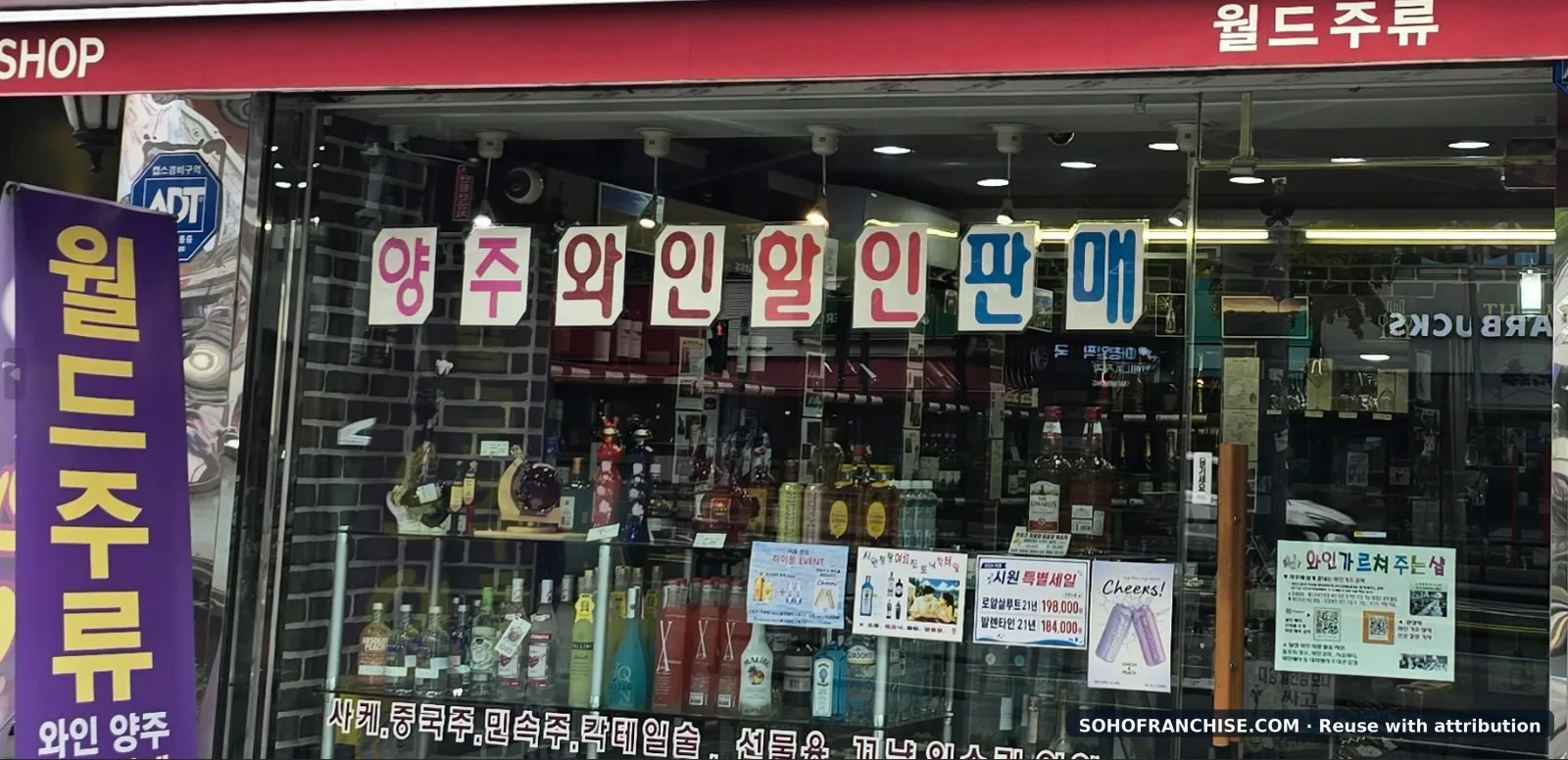
Korea’s Liquor & Wine Retail Business: Competitiveness, Expected Income and the Legal Realities of Alcohol Distribution
FIELD REPORT

Korea’s Liquor & Wine Retail Business: Competitiveness, Expected Income and the Legal Realities of Alcohol Distribution

Liquor retail may look attractive because of premium wine, whisky and gift demand, but in Korea it is not a simple retail business. Alcohol sales remain a permit-based industry, online sales are tightly restricted, and wholesale access is shaped by licensing rules. SOHOFRANCHISE examines whether a neighborhood liquor store or franchise-style wine shop can still offer a viable small-business opportunity.

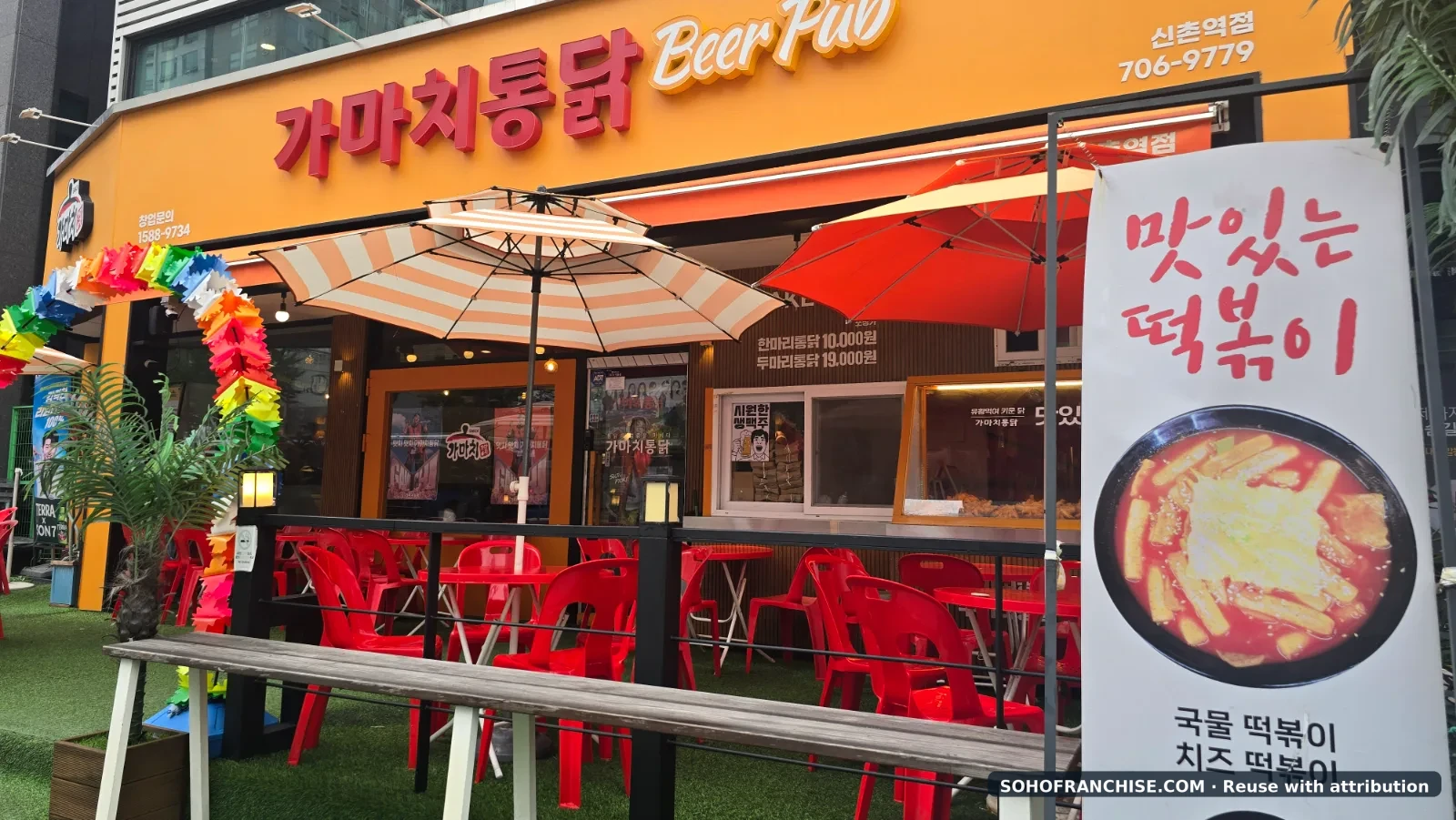
Is Korea’s Chicken Franchise Still a Good Retirement Business for Baby Boomers?
FIELD REPORT

Is Korea’s Chicken Franchise Still a Good Retirement Business for Baby Boomers?

Chicken has long been one of Korea’s most familiar post-retirement businesses. But with nearly 29,000 franchise outlets, rising operating costs and a 12% annual closure rate, opening a chicken restaurant can no longer be considered an easy or low-risk retirement strategy. SOHOFRANCHISE examines whether smaller, owner-operated neighborhood concepts could still work for Korea’s aging baby-boom generation.

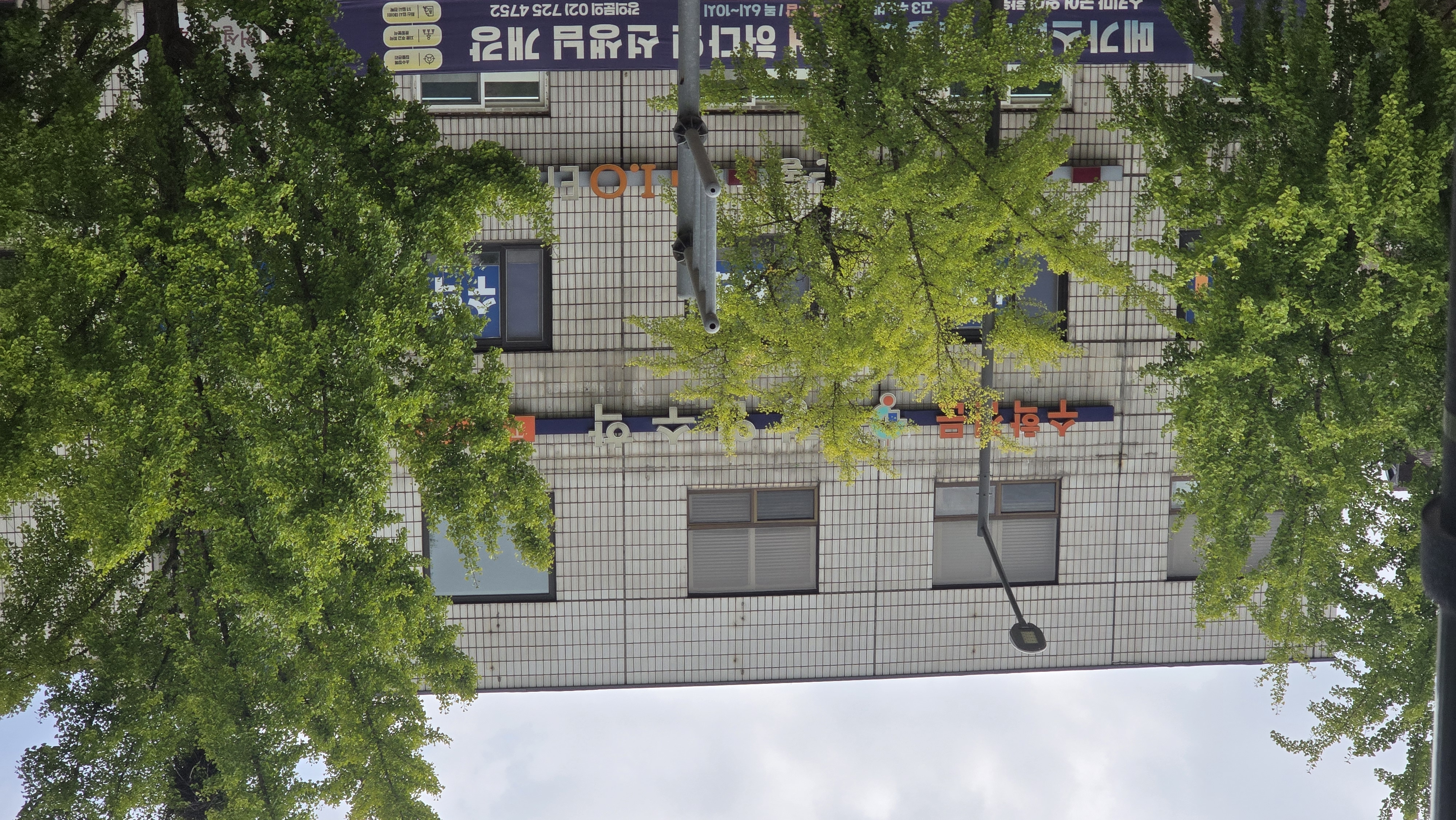
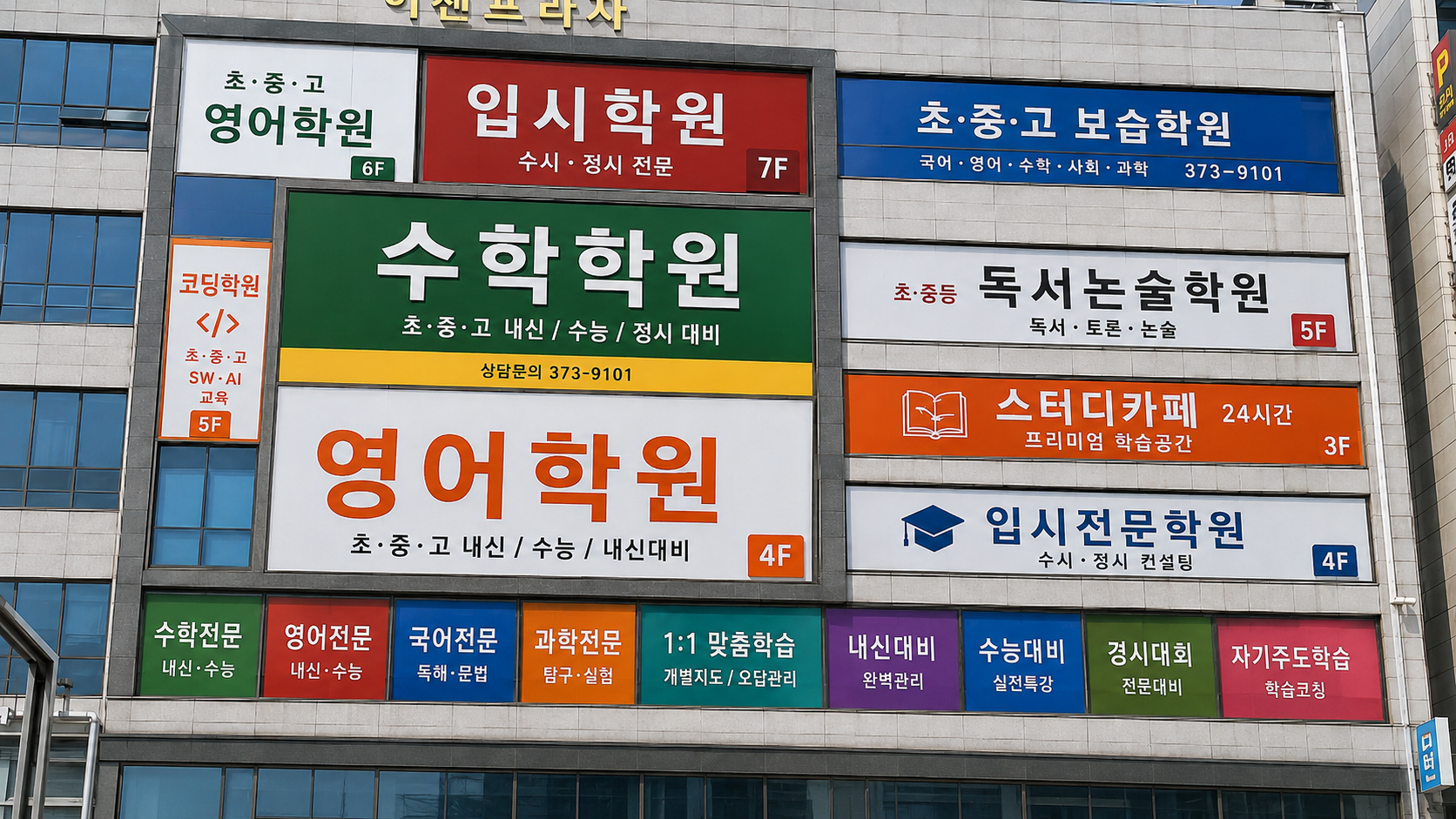
Why Mathematics Can Decide a Korean Student’s University — and Why Math Academies Remain a Powerful Franchise Business
FIELD REPORT

Why Mathematics Can Decide a Korean Student’s University — and Why Math Academies Remain a Powerful Franchise Business

South Korea’s private education market reached KRW 27.5 trillion in 2025. Mathematics alone represents an implied market of roughly KRW 7.7 trillion a year. For students targeting elite universities, particularly STEM, engineering and medical programs, mathematics often has more leverage than any other single subject. That makes the math academy not only an educational institution, but one of Korea’s most resilient education-business formats.

Why Korea Studies Math First: Daechi-dong, Calculus and the Elite-University Pipeline
FIELD REPORT

Why Korea Studies Math First: Daechi-dong, Calculus and the Elite-University Pipeline

In South Korea, families often prioritize mathematics years before the university entrance exam. The reason is structural: mathematics is cumulative, difficult to compress into last-minute study and highly influential in elite STEM and medical-school competition. The result is a massive private-education ecosystem concentrated in Seoul’s Gangnam and Daechi-dong districts. But does living in Gangnam actually increase the chance of entering a top university? The data says the correlation is remarkably strong — although academies are only one part of the explanation.

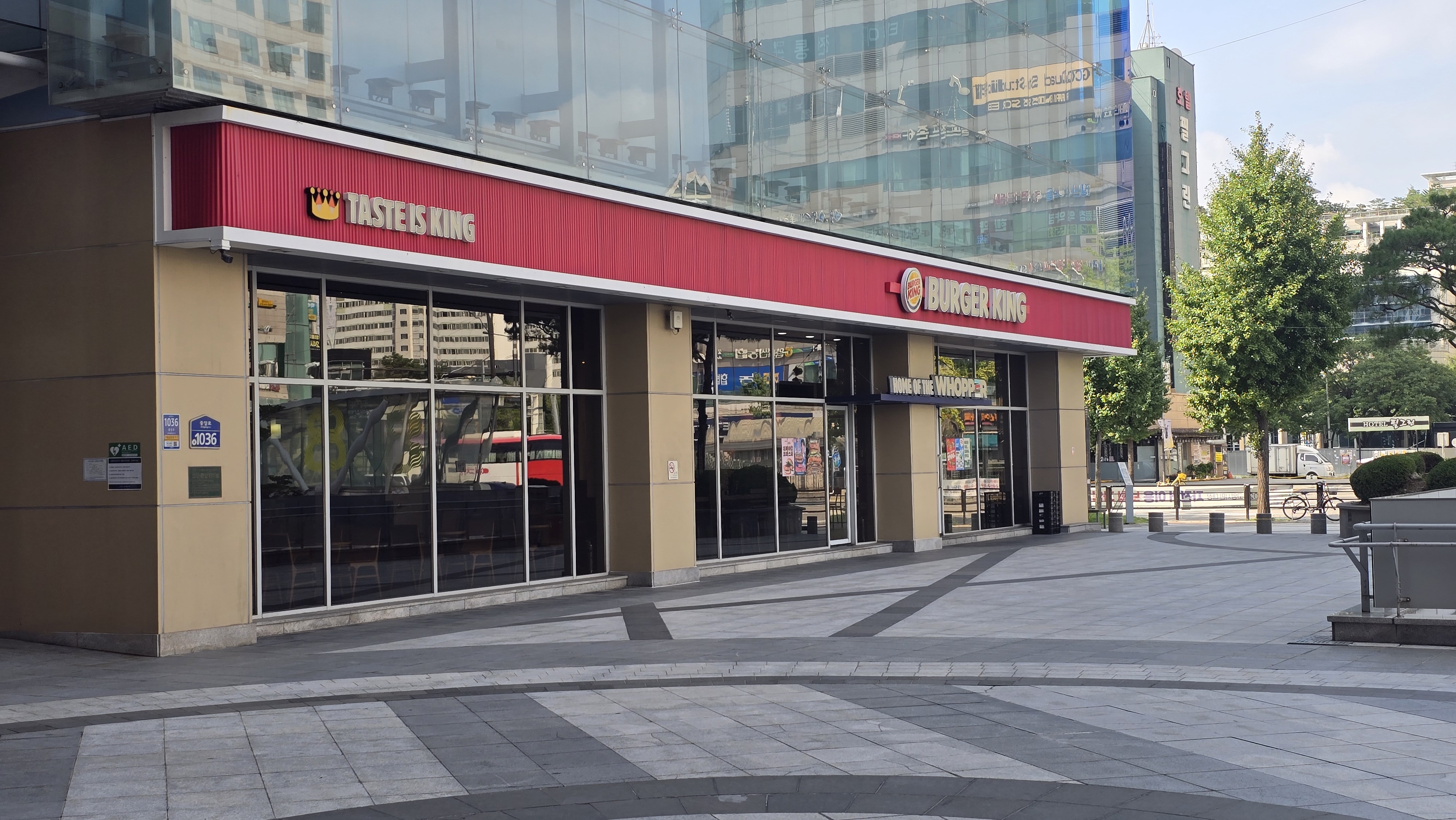
South Korea’s Burger Market Is No Longer Just a Fast-Food Business
FIELD REPORT

South Korea’s Burger Market Is No Longer Just a Fast-Food Business

South Korea has become one of Asia’s most competitive burger markets. McDonald’s leads in sales, while Mom’s Touch and Lotteria dominate the country by store count. But behind the brand rankings lies a very different franchise structure: some chains are almost entirely franchised, while others remain predominantly company-owned. SOHOFRANCHISE examines market size, store networks, franchise ratios, sales and startup costs.

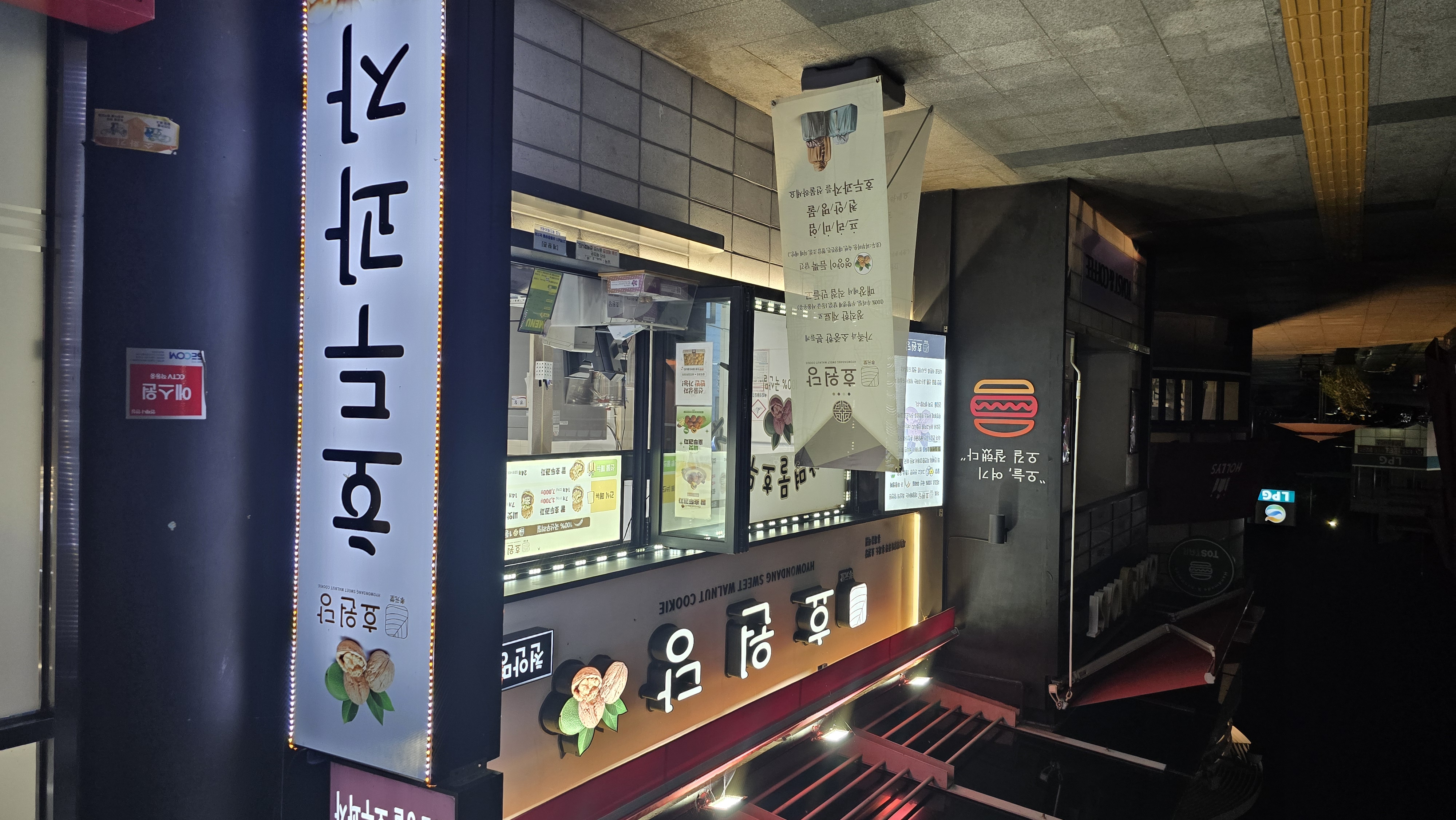
Hodu-gwaja: Korea’s Nationwide Roadside Walnut Pastry Network
FIELD REPORT

Hodu-gwaja: Korea’s Nationwide Roadside Walnut Pastry Network

Born in Cheonan in the 1930s, hodu-gwaja grew from a regional walnut pastry into one of Korea’s most recognizable travel foods, supported by highway service areas, roadside stores and a distributed network of local manufacturers.

Korea’s Pet Lifestyle Boom: Why Unmanned Pet Shops Could Be the Next Small Franchise Model
FIELD REPORT

Korea’s Pet Lifestyle Boom: Why Unmanned Pet Shops Could Be the Next Small Franchise Model

South Korea’s fast-growing pet market is expanding beyond food and veterinary care into grooming, accessories, fashion and lifestyle services. As unmanned retail becomes increasingly familiar in Korean cities, small hybrid pet shops combining self-service retail, grooming reservations and smart pickup systems could emerge as a promising new franchise model.

Korea’s Coffee Market Is Splitting in Two: Franchise Scale vs. Independent Café Identity
FIELD REPORT

Korea’s Coffee Market Is Splitting in Two: Franchise Scale vs. Independent Café Identity

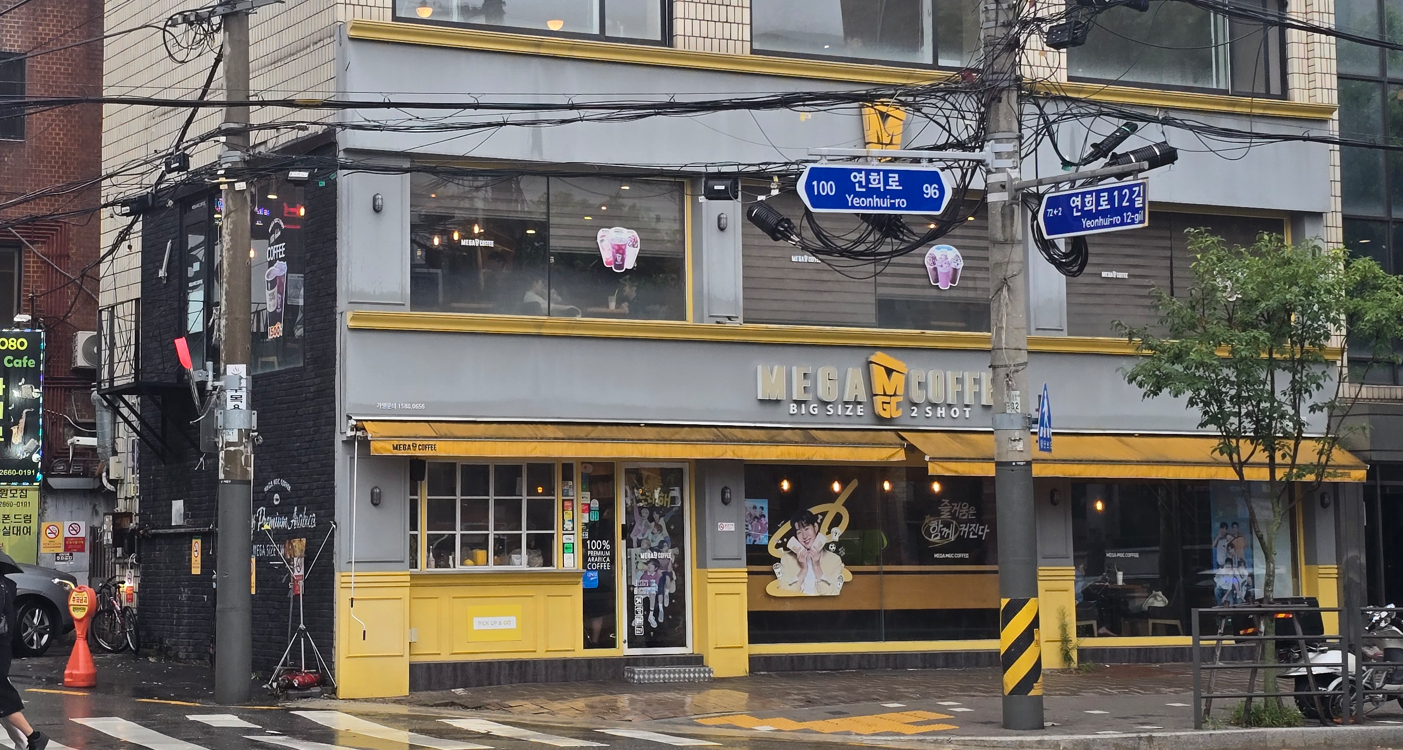
South Korea’s coffee market is entering a new phase. Low-price franchise brands such as MEGA MGC Coffee, Compose Coffee and Paik’s Coffee continue to expand through scale, convenience and aggressive pricing, while independent cafés increasingly compete through specialty coffee, design, neighborhood identity and destination appeal. As Korea’s café market approaches saturation, the next competition will be less about opening more stores and more about creating a clear reason for customers to choose one café over another.

AUTOFOTO in Seochon: How a Tiny Unmanned Photo Shop Turns Memories into Business
FIELD REPORT

AUTOFOTO in Seochon: How a Tiny Unmanned Photo Shop Turns Memories into Business

AUTOFOTO’s tiny unmanned photo shop in Seochon shows how a compact retail space can become a profitable experience business. By combining self-service technology, retro design and instantly printed photographs, the shop turns tourist memories into a simple product with strong social-media appeal.

Can Seoul Become the Next London? A Telephone Booth Near Gyeongbokgung Signals a Tourism Boom
FIELD REPORT

Can Seoul Become the Next London? A Telephone Booth Near Gyeongbokgung Signals a Tourism Boom

A distinctive telephone booth near Gyeongbokgung Station recalls London’s iconic red phone boxes. As Seoul develops into a global cultural destination, SOHOFRANCHISE expects major opportunities for accommodation, restaurants, beauty shops, souvenir stores and small tourism businesses—with a high-growth scenario of up to ten times more international visitor activity within the next decade.

Seoul’s Historic Districts Are Becoming a Testbed for the Next Generation of Unmanned Franchises
FIELD REPORT

Seoul’s Historic Districts Are Becoming a Testbed for the Next Generation of Unmanned Franchises

From Deoksugung and Seochon to Bukchon and Samcheong-dong, Seoul’s historic districts are becoming a living testbed for self-photo studios, automated retail, and small-format unmanned businesses. For U.S. franchisors, Korea offers a glimpse of how compact, experience-driven franchise models may evolve.

AUTOFOTO: How a Tiny Unmanned Photo Booth Is Turning Seoul Streets into 24-Hour Retail Spaces
FIELD REPORT

AUTOFOTO: How a Tiny Unmanned Photo Booth Is Turning Seoul Streets into 24-Hour Retail Spaces

AUTOFOTO is a trendy Korean self-photo booth brand combining vintage design, social-media appeal and a compact unmanned retail model. A visit to its Yeonhui location in Seoul shows how even a tiny street-side space can become a 24-hour experience business.

Why Samcheong-dong Works as a Testbed for Small Retail
FIELD REPORT

Why Samcheong-dong Works as a Testbed for Small Retail

This Seoul neighborhood compresses tourists, locals, photogenic streets and tiny store footprints into one district, making it a sharp place to test new retail ideas.

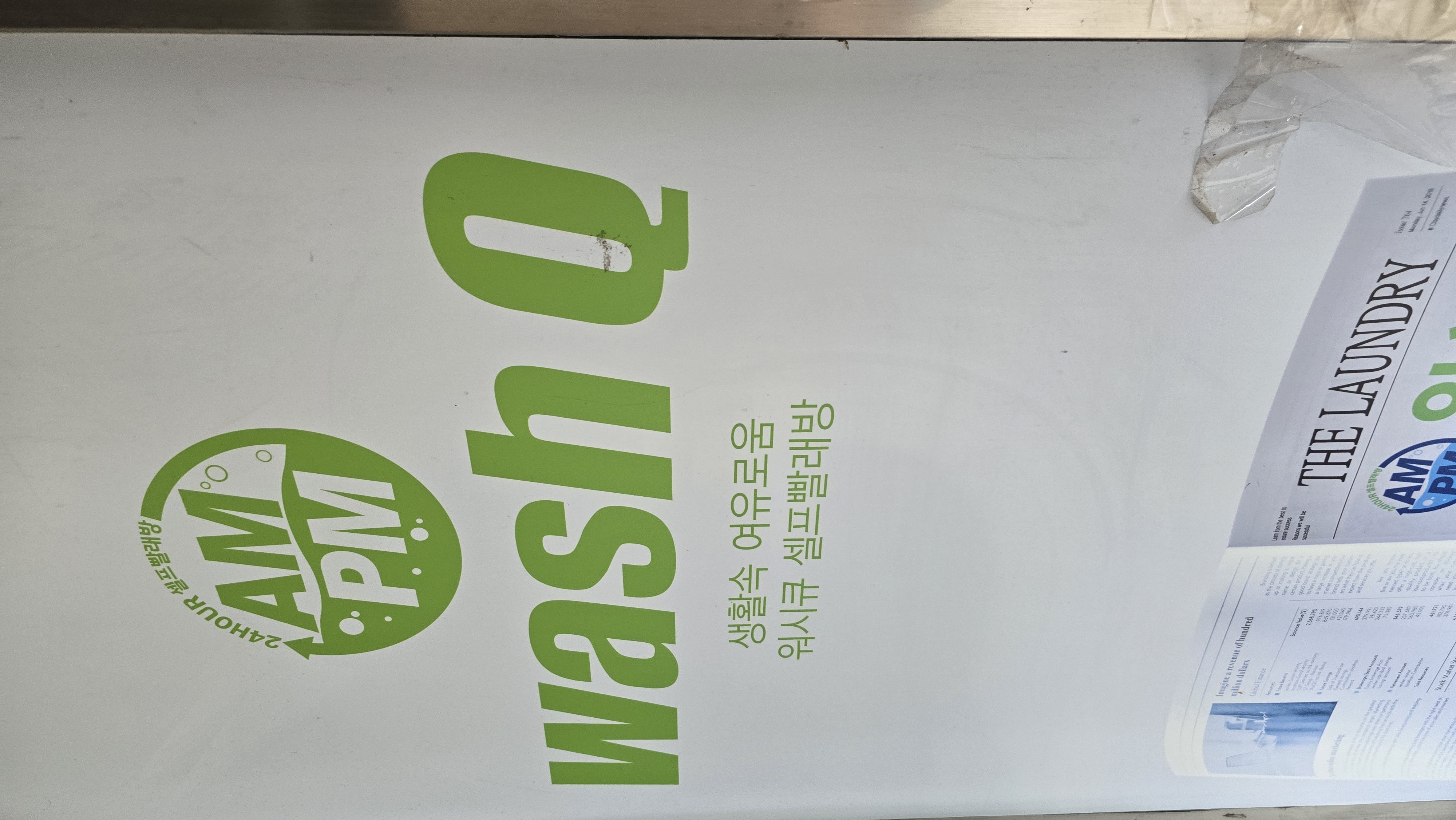
Self Laundry Is Still a Strong Small-Format Service Model
FIELD REPORT

Self Laundry Is Still a Strong Small-Format Service Model

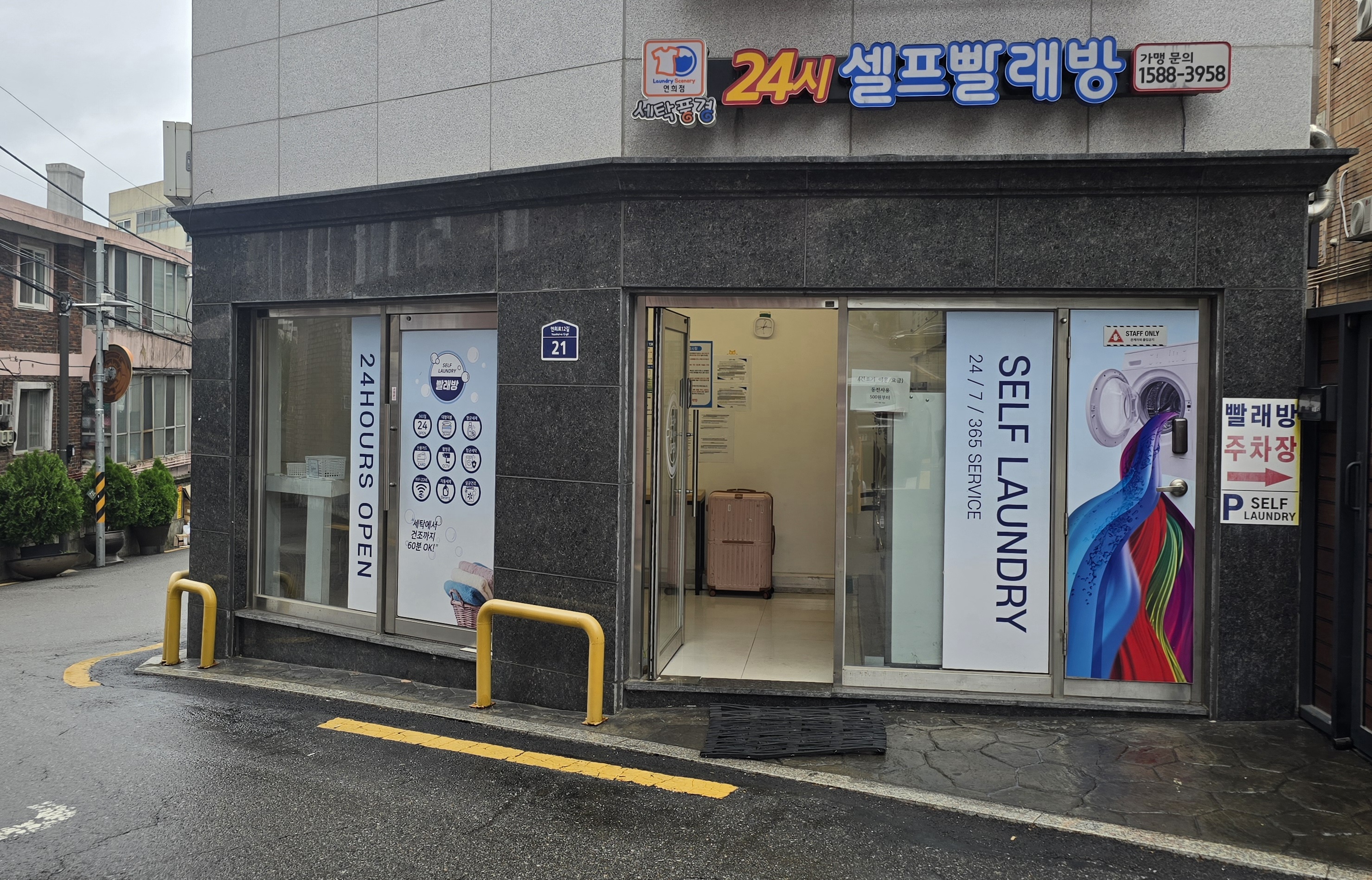
A 24-hour self-laundry store still solves a real household problem and can operate with limited labor, but utility cost, machine uptime and neighborhood fit remain critical.

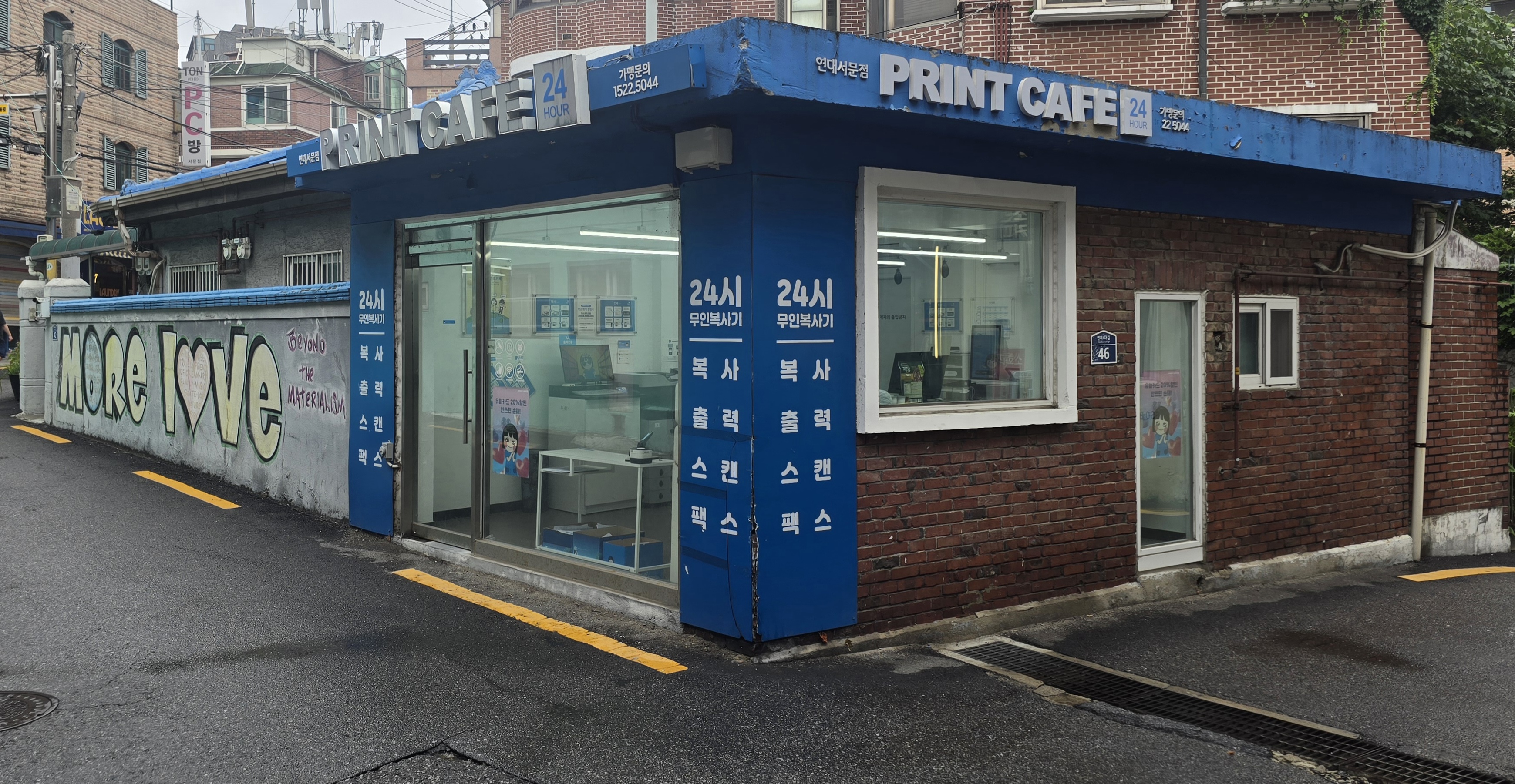
A 24-Hour Print Shop Without Staff: Convenience You Can Charge For
FIELD REPORT

A 24-Hour Print Shop Without Staff: Convenience You Can Charge For

Printing, copying and scanning may sound old, but a self-service print shop can still win by offering instant access when offices, schools and homes do not solve the problem.

Inside an Unmanned Fashion Shop in Seoul: Retail Without a Cashier
FIELD REPORT

Inside an Unmanned Fashion Shop in Seoul: Retail Without a Cashier

A field look at a self-service fashion shop in Samcheong-dong, Seoul, and what it reveals about the changing economics of unmanned retail.

Inside a 24-Hour Unmanned Self-Laundry in Seoul
FIELD REPORT

Inside a 24-Hour Unmanned Self-Laundry in Seoul

A Seoul self-service laundry shows how a traditional household service can operate around the clock with washers, dryers, self-payment, vending and CCTV — but very little on-site staff.

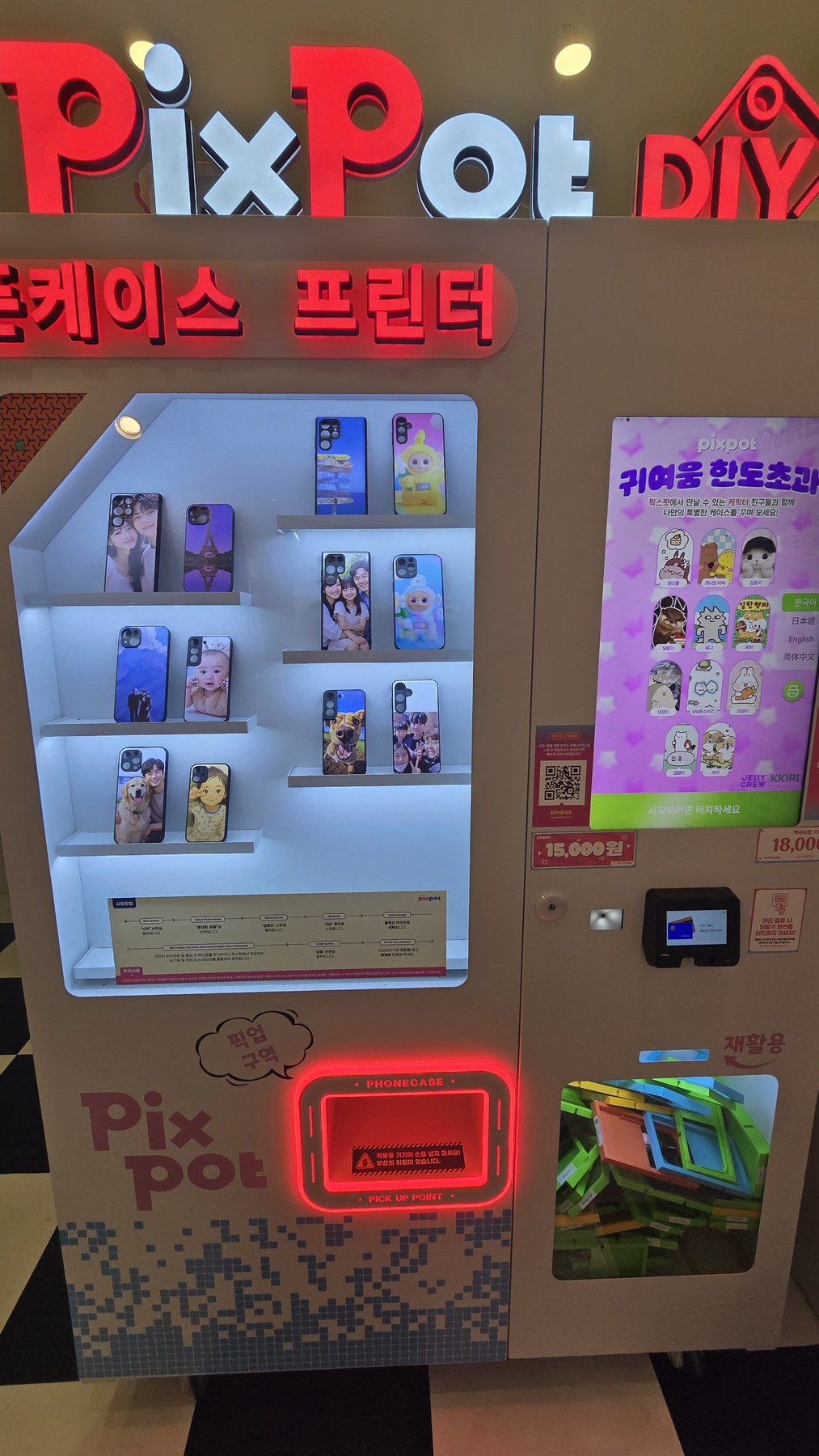
A Phone-Case Kiosk Is Really a Tiny Custom-Manufacturing Business
FIELD REPORT

A Phone-Case Kiosk Is Really a Tiny Custom-Manufacturing Business

At first glance it looks like a fun kiosk, but the real business is on-demand personalization, fast fulfillment and low-footprint retail production.

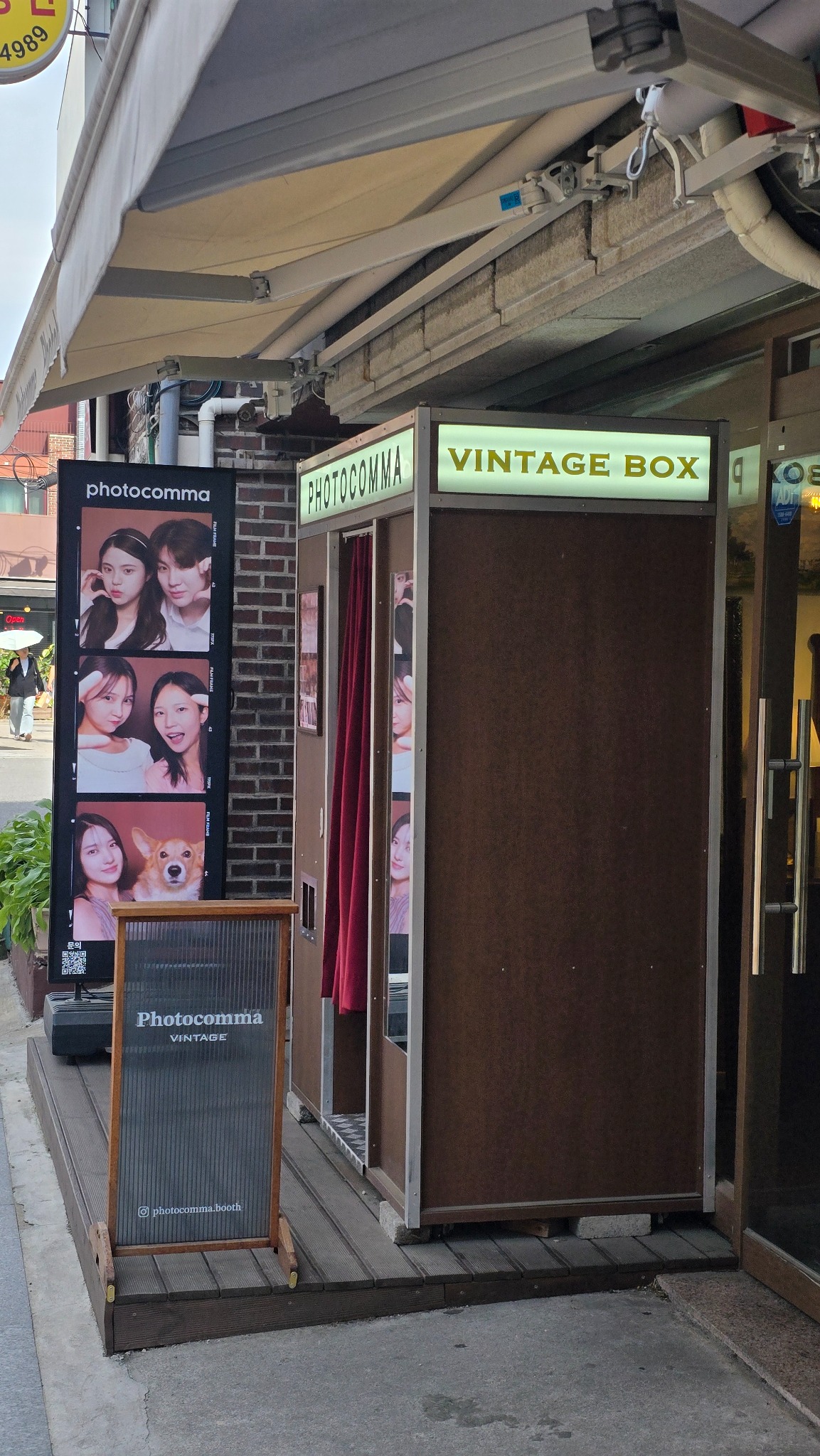
Can a Tiny Self-Photo Booth Be a Profitable Business?
FIELD REPORT

Can a Tiny Self-Photo Booth Be a Profitable Business?

Seoul’s compact self-photo booths show how an unmanned business can sell an experience rather than inventory.

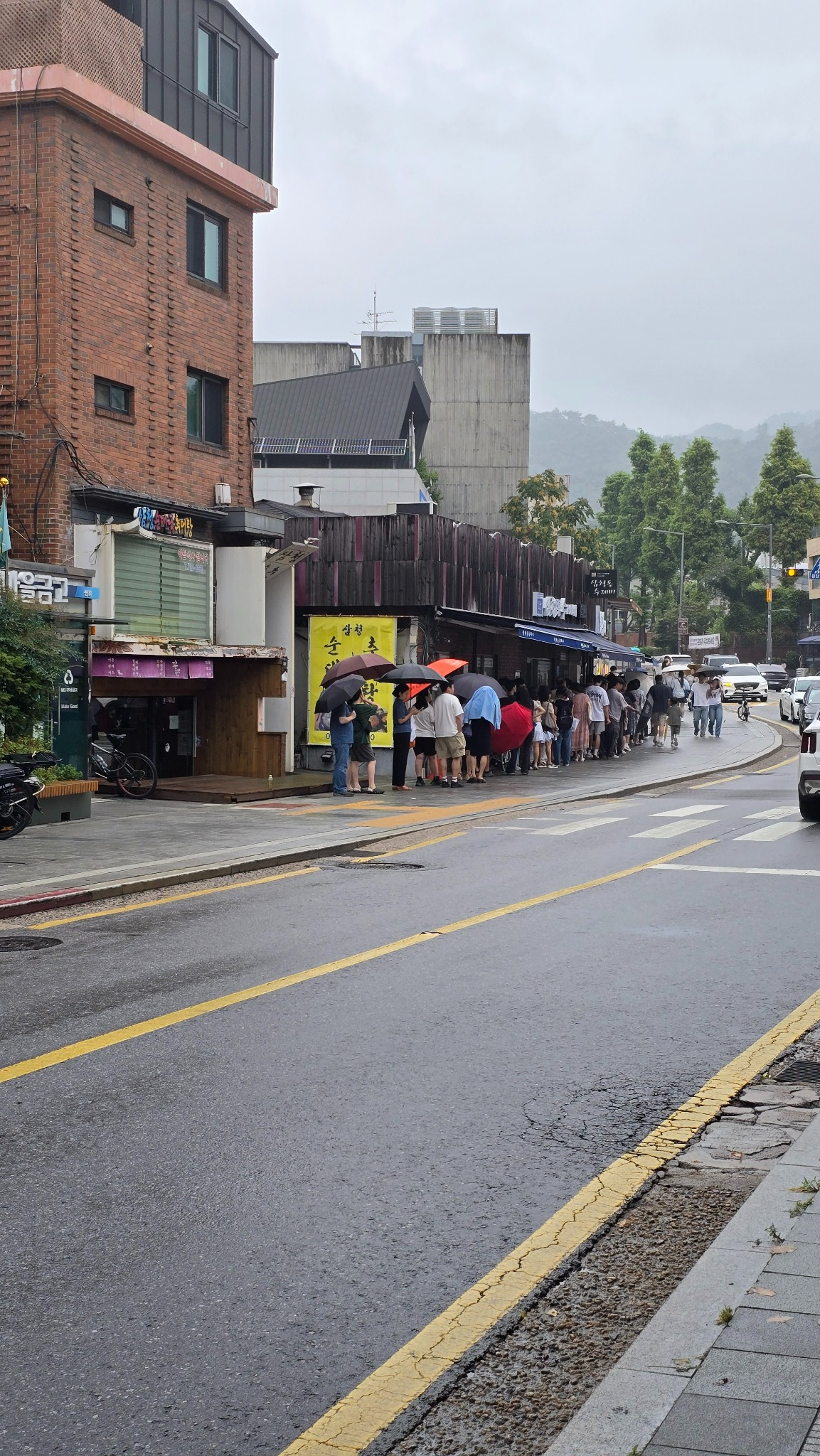
Why Customers Still Line Up in the Rain
FIELD REPORT

Why Customers Still Line Up in the Rain

A rainy queue in Samcheong-dong is a reminder that visible demand, scarcity and location can be more powerful than advertising.